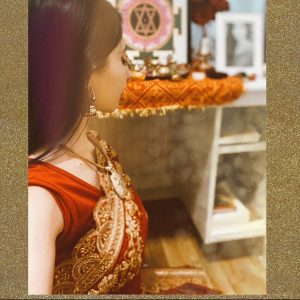
Introduction: The Way of Sacraments
“If the doors of perception were cleansed every thing would appear to man as it is, Infinite. For man has closed himself up, till he sees all things thro’ narrow chinks of his cavern.”
William Blake, The Marriage of Heaven and Hell (1970).
From psilocybin, ayahuasca and cannabis to wine and spirits, the practice of utilising intoxicants as sacraments for internal, embodied, or transcendental expansion is a well-established one in numerous spiritual traditions (see Terence Mckenna, The Food of the Gods, 1992).
Single malt scotch is such a sacrament, which, when consumed with proper, ritualised awareness, can become a tool to enter what William Blake and Aldous Huxley called ‘the doors of perception’: a broadening of one’s understanding and processing of the immediate reality.
Known as ‘the water of life’, the medicinal properties of whisky, such as its anti-inflammatory attributes, its potential to reduce blood fat and lower the risk of heart-disease (and many more!) are well-known to whisky-lovers. However, research into whisky’s potential is nowhere near complete, and pioneers continue to make groundbreaking discoveries that continuously innovate our understanding of whisky’s promise.
The WhiskyBaba Approach
Such pioneering research is being put forward by Dr. Sumit Kesarkar through Whiskybaba.in.
Whiskybaba.in’s research centres on unlocking neuro-hormonal intelligence in our systems through the consumption of certain single malt scotch whiskies, on the foundations of the āyurvedic algorithms of rasā.
This method, developed by Dr. Sumit Kesarkar, targets kaśāya rasā, or the astringent complex, which impacts the body’s macro and micro levels to process, digest, excrete mental and physical wastes, and keep one’s system open to profound sensory experience.
Whisky is consumed with a special breath / practice that was developed with the purpose of maximising and accessing the substance’s neural potential. The breath is known as the Sfaim breath, which is demonstrated on the WB channel.With this breath, one can activate parts of the brain which are generally difficult to access in the daily unfolding of life, which results in a heightened expansion of the senses, as well as in the opening of the potential to rewire and dive deeper into the mind.
Whisky is consumed in a larger context in which a proper lifestyle is cultivated (meaning, a discipline structured on āyurvedic principles, such as eating and sleeping at set times and avoiding inflammatory foods, which results in a regulated body and system that can absorb the substance at maximum potential), as well as with the mindset of viewing whisky as a sacrament.
The mindset of viewing whisky as a sacrament can mean many things: from drinking with the awareness that one is consuming a substance that has the potential to unlock their brain patterns (as opposed to drinking with casualness for entertainment purposes) to ensuring a perfect ambiance (for instance, on the WB retreat the ambiance was created within a Scottish heritage manor that echoed with silence and an air of mystery; but the ambiance need not to be so imposing in terms of daily use, as in, one can ensure it — or I do — by choosing to consume whisky on their own, in quietude, with single-pointedness; not while watching TV or doing other things, but with maximum attention accorded to the process).
Lastly, the whisky that is consumed must fit an astringency profile, which indicatively needs to fulfil the following criteria: 50%+ alcohol vol., cask strength, matured in casks such as European oak, and it is best consumed approximatively two hours after dinner, which in line with the lifestyle principles priorly mentioned would be around 8pm.


Experiencing Whisky
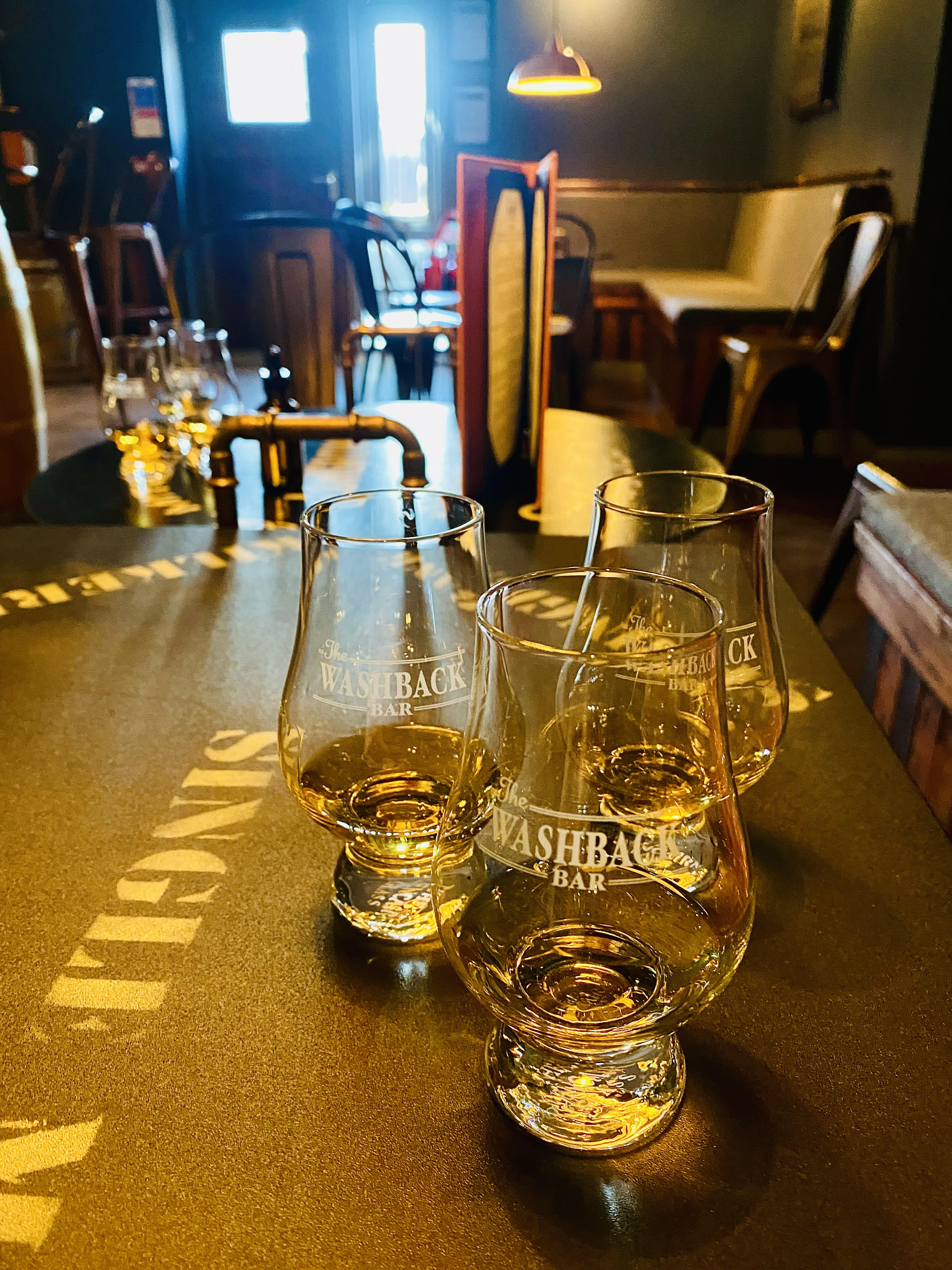
I started drinking whisky every evening since July 2022, following a(n unfortunately brief) taste of the WhiskyBaba experience in Edinburgh. I drank a dram by myself, sat with myself, and experienced myself in the expansion of that. I sometimes rested in quietude, enjoying the heightened sensations, the sharpening of the intellect and the internal pulsations that resulted from the absorption of the sacrament. I sometimes danced, gazing at myself in my mirror and feeling the joy of connection to the movement of my body. I sometimes cried and I sometimes smiled. I sometimes called friends and poured my heart.
The evening ritualisation of whisky led to profound shifts in perspective on three planes.
First, a spur in creativity. At that time, in terms of creative writing, I had been exclusively writing poetry for approximatively six to seven years. I identified (or limited myself as) a poet, and had not felt any inkling toward creating prose in the given time-period. However, to my great surprise, in the quietude of the early evening, my mind began to weave stories and characters together, and I started writing prose fiction. Whatever blockage I had toward this genre (which, looking back, if I were to linearly pinpoint, came from undigested experiences with the world and writers of prose as a teenager) loosened, and I wrote flowingly; unashamedly. The topics varied and trickled out of my brain in waves.
Oftentimes, when I write, I cannot help but write with an audience in my mind, which can corrupt the process by diluting it and moulding it to the preferences or validation of a specific imagined target-group; the concept of an audience disappeared in those evenings, and I wrote as if in a vacuum. I wrote things which would have made me cringe (and sometimes did!) in the early morning, but I did not care. They were in me and were welcomed because they existed in that space-time quantum. It was cathartic.
Second, I arrived at a sudden insight of seeing that I had been holding onto shame around my sexuality, and was both repressing myself and feeling unfulfilled, as well as isolated in my life. Painful experiences as well as buried desires came to the surface, and there was no other way to proceed but to welcome them. This led to taking action in my life: after a very long break, I began dating again, as well as started reconnecting with friends and rebuilding my social life.
Third, a glimpse into what Carl Jung would name the ‘shadow-self’ dawned upon me. The shadow-self is represented by aspects of ourselves we deem as ‘dark’ and hide from our conscious mind out of fear of seeing ourselves. I realised that I was seeing myself as split into two: the light me, composed of parts of me that could be deemed as socially acceptable, such as occasional generosity and occasional kindness, and the dark me, the parts of me that could lead to social rejection, the one that held jealousy, and pettiness, and ‘dark’ desires that made me ashamed of myself.
Jung decrees that, in order for an individual to achieve psychic wholeness, one must undergo individuation, which is a psychological process that merges the unconscious (the darkness we push into the depths of our subconscious) and the conscious (what we deem as light). The shadow-self is welcomed and co-exists with the light-self until the awareness of neither having been separate from the other all along springs. (see: Carl Jung, The Archetypes and Collective Unconscious, 1959).
On these evenings, I began to welcome my darkness back to myself, but, in full honesty, only tiny fragments of myself have been fully merged with what I perceive to be my light. Shame and self-rejection are still deeply rooted, but it is okay. The process is not a quick one, and I am learning to remain curious of its unfolding, instead of to rush into wanting a fast fix. Ultimately, there is nothing to fix either way.
A Pause
In September 2022, I paused my whisky experimentation for thirty days. The reasoning behind this period of abstinence was to observe the changes that would occur in the absence of whisky, and to thus gauge the actual impact whisky had on my system and every-day life.
In this period, I noticed a lessened ability to digest thoughts and emotions, a slight increase in mental agitation, and as the thirty days came to end, I also began to miss the evening ritual. It wasn’t the whisky as a substance that I missed, the taste or its sensorial effect, but the opportunity to connect to myself on a deeper level, and to ground myself in myself.
After thirty days, I resumed the ritualised practice with greater attention and respect to its effects and benefits on my system.


The WhiskyBaba Retreat
The WhiskyBaba retreat, a four-day immersion into the exploration of whisky as a sacrament, deepened my connection with whisky from an experiential standpoint. It included numerous tastings of whiskies that matched the WB astringent profile, exquisite culinary experiences, the learning of new breath modulations to utilise in drinking whisky, and experiential arts-performance based on the algorithms of the Nātyaśāstra, a Sanskrit treatise on the performing arts (upcoming article on this): so, overall, it was an all-sensorial experience.
The WB motto is: “It is not about whisky, it is through whisky”.
This precept encapsulates the retreat experience most faithfully. After touching on the basics of whisky on the first day, we minimally discussed whisky as an entity; our discussions centred on the internal experience facilitated by this perfected tool, and, most significantly, the discussions paled before the experience itself. It is difficult to place the WB experience into words, or to say, ‘this changed, and this shifted’. Inside, the landscape seems different, though I am unsure how.
I am tempted to believe that the experience was an under-the-hood absorption, which might become apparent or not in the future. I am tempted to say that the doors of perception creaked open a little, if it is not arrogant of me to do claim so. More knocking at the door is surely needed. I am unsure if it is even worth trying to use words to describe any glimpses of the hallway drawn after these doors open. As Huxley writes after he opened his own doors:
“Sensations, feelings, insights, fancies — all these are private and, except through symbols and at second hand, incommunicable. We can pool information about experiences, but never the experiences themselves.”
I will try, however, to place into words one particular experience. Seated by the fireplace by myself after all went to sleep, I enjoyed a dram with my eyes transfixed on the flames, inhaling the smoke that seeped into the peaty scent of the opened bottle of whisky. The house was quiet, the night was dark. I enjoyed the sensation of ‘me’, and felt myself establishing more deeply into the understanding that I am the path, and the path is from me to me. Followingly, it was fascinating to observe the dynamic of participating in group sessions and imbibing the same sacrament, as well as learning from someone, while having this understanding held into my awareness, sometimes firm, sometimes less.
Perhaps an important reminder is that the entity is the tool and not the path. We are always the path.
On technical terms, I believe the retreat refined my palette into being able to catch, assess the difference between whiskies which match the profile of astringency and those who don’t. Interestingly, most whiskies available on the market are exceedingly sweet and don’t match this profile, as they are matured in, for instance, sherry casks.
Whisky and Overindulgence
Is overindulgence possible with this approach? Everything is possible at any given moment, but I would argue that, if the WB approach is followed to a T, overindulgence is a very unlikely possibility. This is because, if a proper lifestyle is followed and the Sfaim breath is utilised with awareness and the mindset of sacrament is cultivated, there is no use to drink in excess, and less of a chance to drink casually; I would even argue that the wish to drink in excess is likely to not arise, and as you proceed, you will intuitively know how much to drink, as you fall into alignment with your body-mind. For instance, throughout my experimentations, I began to know in the mornings if I drank too much — I could feel a sense of indigestion in my stomach, or my mind would feel heavy. Similarly, I also began to notice when the whisky was not an appropriate one for me, or in alignment with the WB guidelines for whisky (which also become individualised as one deepens their explorations with it).
Whisky and Escapism
Generally, we associate alcohol with escapism. I would maintain, however, that the WB approach of drinking whisky allows for no such thing. For instance, one particular evening I was feeling discomfort, shame before picking up the glass. A part of me would have very much preferred if the whisky would have wiped both the feeling away, as well as the experience that my mind kept rewinding. However, drinking heightened the feeling of embarrassment, and I was forced to bite through it until it was fully welcomed inside of me and it dissolved on its own accord. Sidenote, this does not mean that any given time the uncomfortable feeling will dissolve on its own when connecting with yourself through whisky. I mean, sure, as the theory goes, every feeling will ultimately dissolve because everything is transient and nothing is permanent, but the expectation of the discomfort to dissolve is an ineffective one, as it might simply not achieve fruition in that particular instance.
Stay tuned for part II. Here’s to cleansing the doors of perception!
Finally, many thanks to WhiskyBaba for providing this platform and this method to us. I am sure so many will benefit from it. ❤
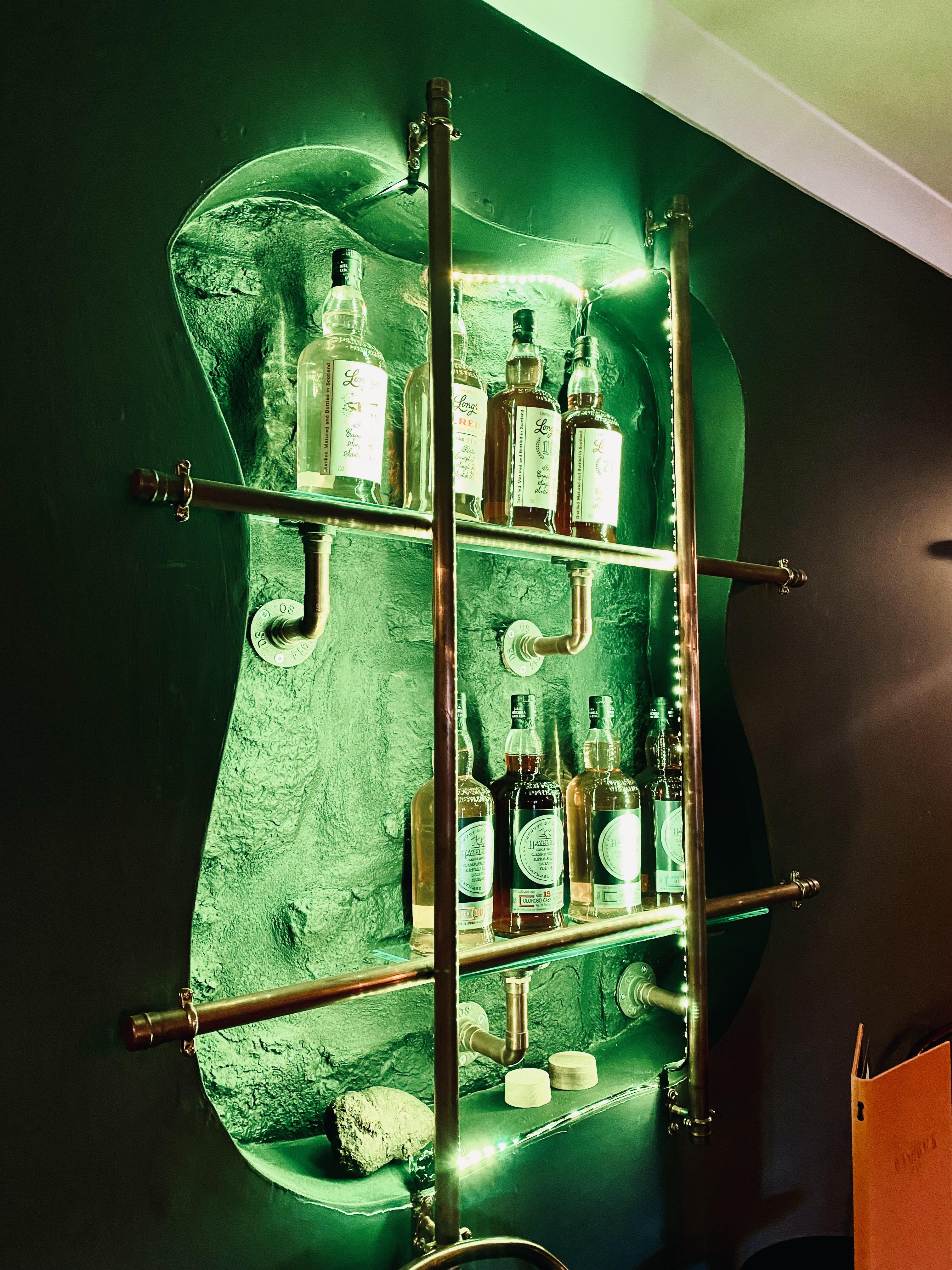

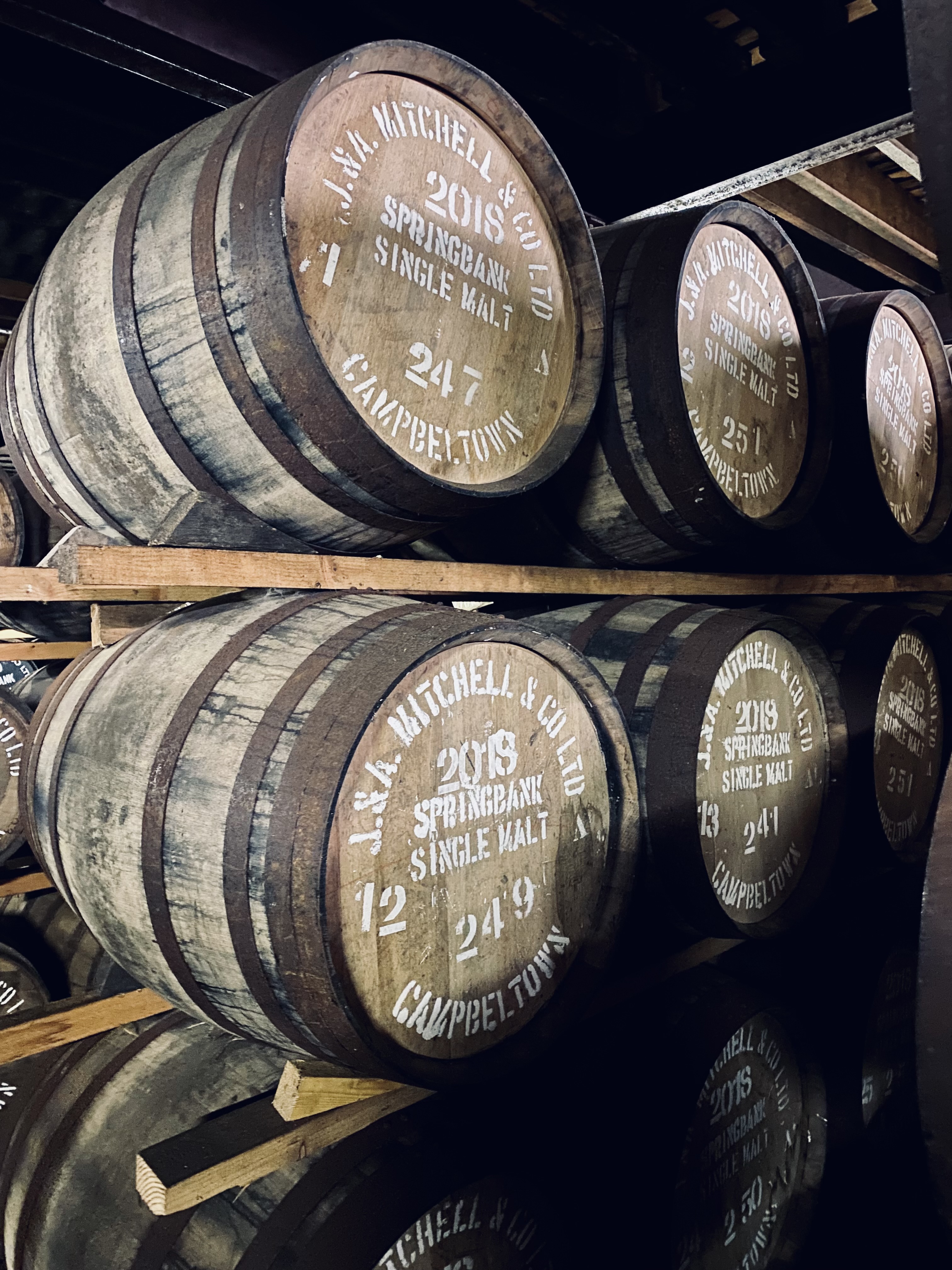
To learn more about WhiskyBaba, follow these links:
Website: https://whiskybaba.in/
Book: https://tr.ee/oQpzj7iXIj
YouTube Channel: https://www.youtube.com/watch?v=GbMmVPRIqAo&t=25s
Facebook: https://www.facebook.com/whiskybaba.in
Instagram: https://www.instagram.com/whiskybaba.in/
WB Foundational Series: https://www.eventbrite.com/e/whiskybaba-accessing-neurohormonal-intelligence-through-single-malt-tickets-656200412097

 amaryllis