amaryllis (/ˌæməˈrɪlɪs/[1]) – bears the name of the shepherdess in virgil's pastoral eclogues. it stems from the greek ἀμαρύσσω (amarysso), meaning "to sparkle", and it is rooted in "amarella" for the bitterness of the bulb. the common name, "naked lady", comes from the plant's pattern of flowering that blooms when the foliage dies. in the victorian language of flowers, it means "radiant beauty".
(..) my cheeks, full in lilies my mind, anointed by the half-moon bathing the Śivling
i walked and walked and walked hungry for a glimpse of your feet
at crossroads my torturous One of Monsoon devised a game:
i felt his lips hovering on my hair, hands, and eyelids yet when i turned my mouth to claim my longing i could only kiss a devious scent of lotus
the empty air and a devious scent of lotus
after ten, twenty thirty turns and one hundred and eight hot tears the mountain road came to a halt
you, nowhere to be found. only a devious scent of lotus.
a perfume so deceitful that when the milky ocean was churned in the first aeon the asuras did not taste nectar for they chose not the elixir but the conch streaming it instead
last crossroads in sight, i screamed
ENOUGH. MY LORD, IT IS ENOUGH.
TEAR MY CENTER WED MY NAVEL
DO NOT HIDE FROM ME.
Gangā sizzled as your lotus scent filled my nostrils maddened, i looked around for You, when, a whisper:
𝒊𝒕 𝒊𝒔 𝒚𝒐𝒖 𝒘𝒉𝒐 𝒉𝒊𝒅𝒆𝒔.
excerpt from a poem from my upcoming collection “the Monsoon One and the pilgrim”. photo: Gangotrī at night. the Himālayas are calling again.
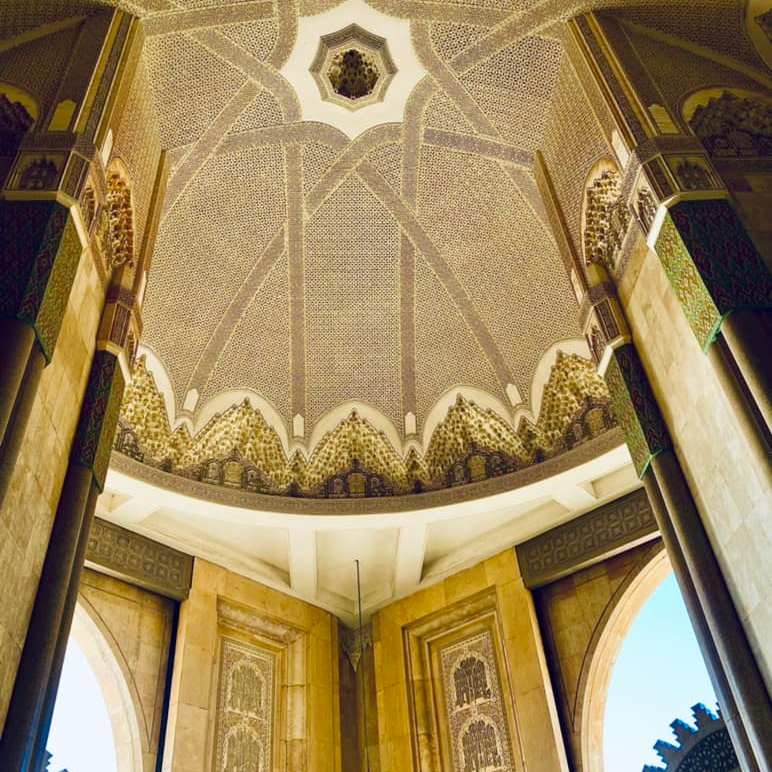
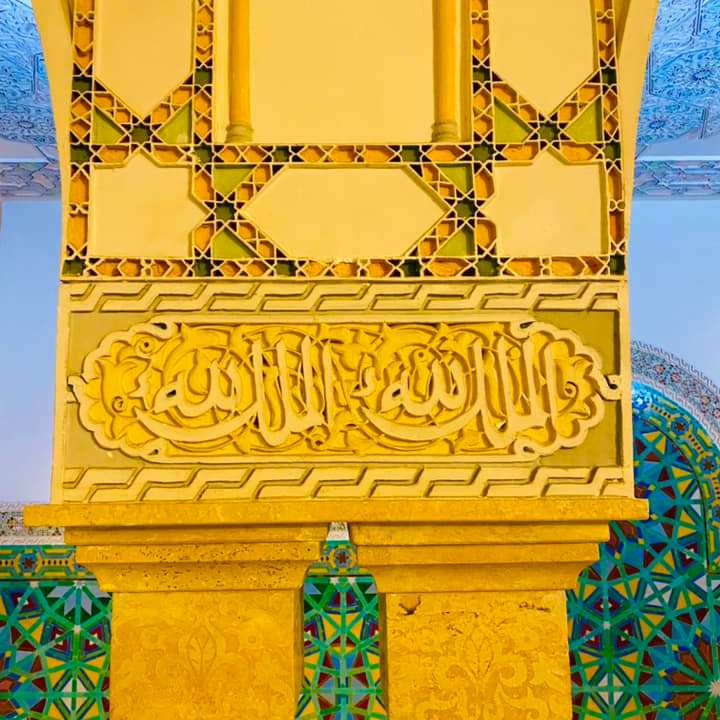
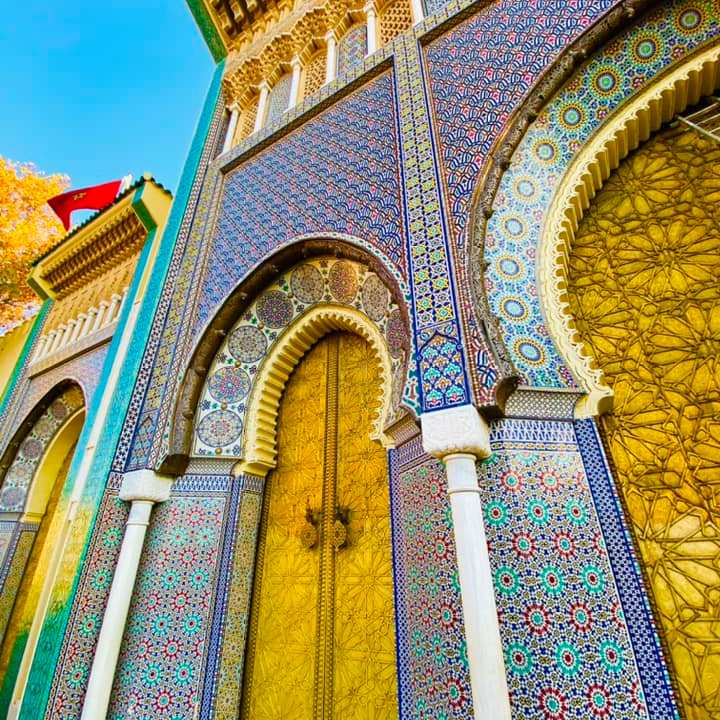
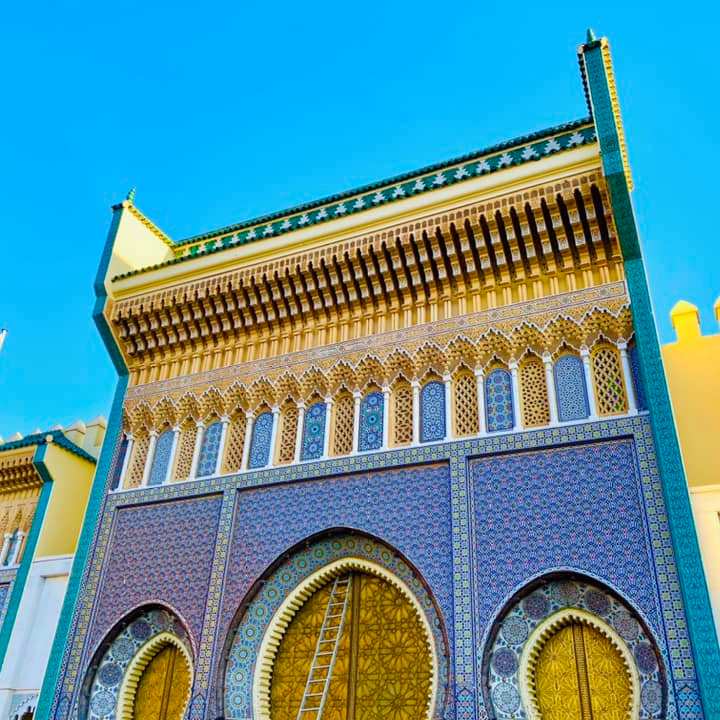
“The Universe belongs to God.” is written on the walls of the Hassan II Mosque. Morocco weaves beauty and devotion magnificently within itself, and it has left a profound mark on me. seeing those splendid lands filled me with joy and almost recognition, as if i had been there before, perhaps in another life. what was most significant for me was witnessing the calls to prayer. it moved me to tears – to see people drop their everything to join prayer, with fervour and innocence. from truck drivers parking their car on the side of the road and kneeling before their devotion on the land, to workers kneeling on the pavement on busy streets with folded hands… truly a most touching sight for sore eyes.
what is more, the scents, the architecture, the nature, the monuments – deeply satiating the senses.
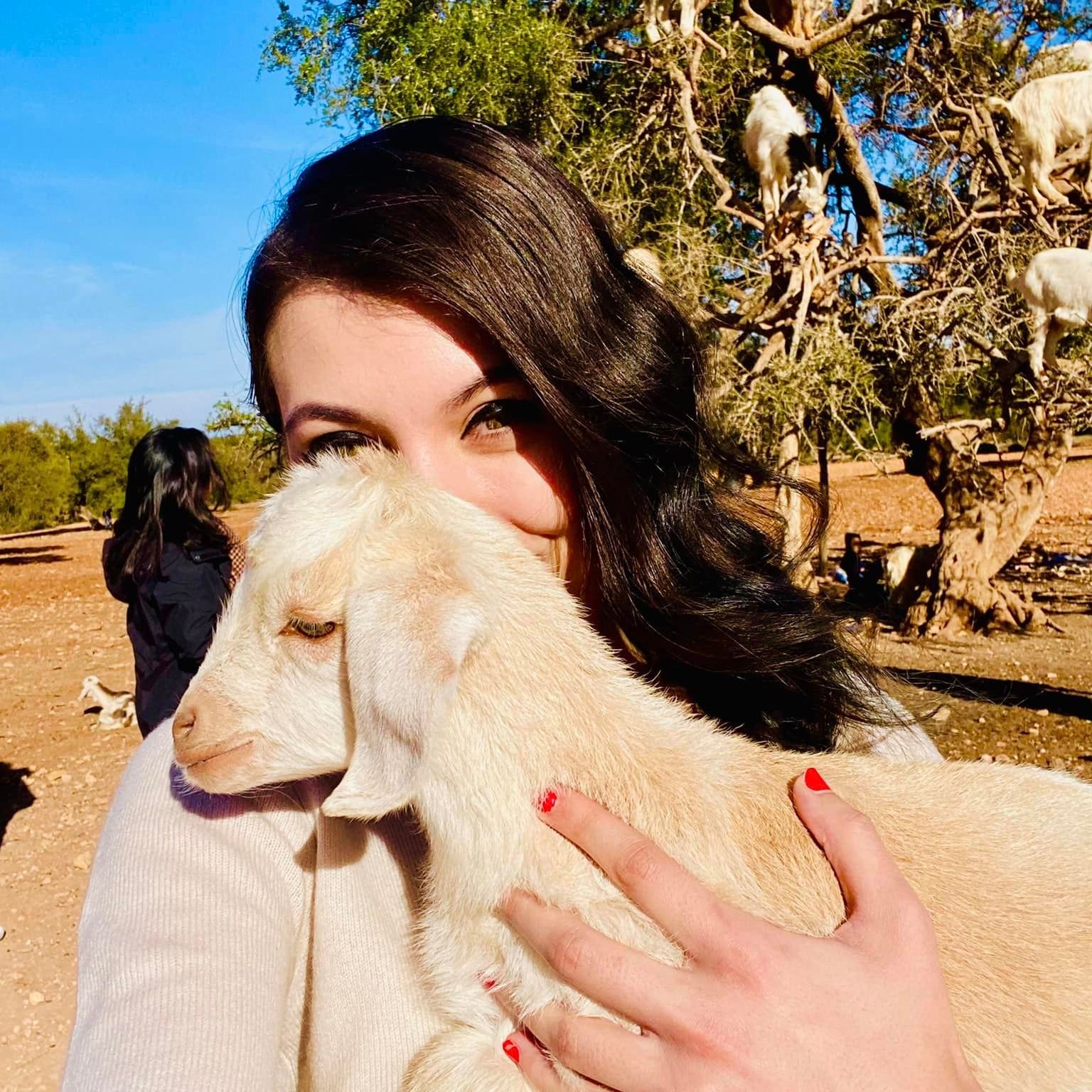
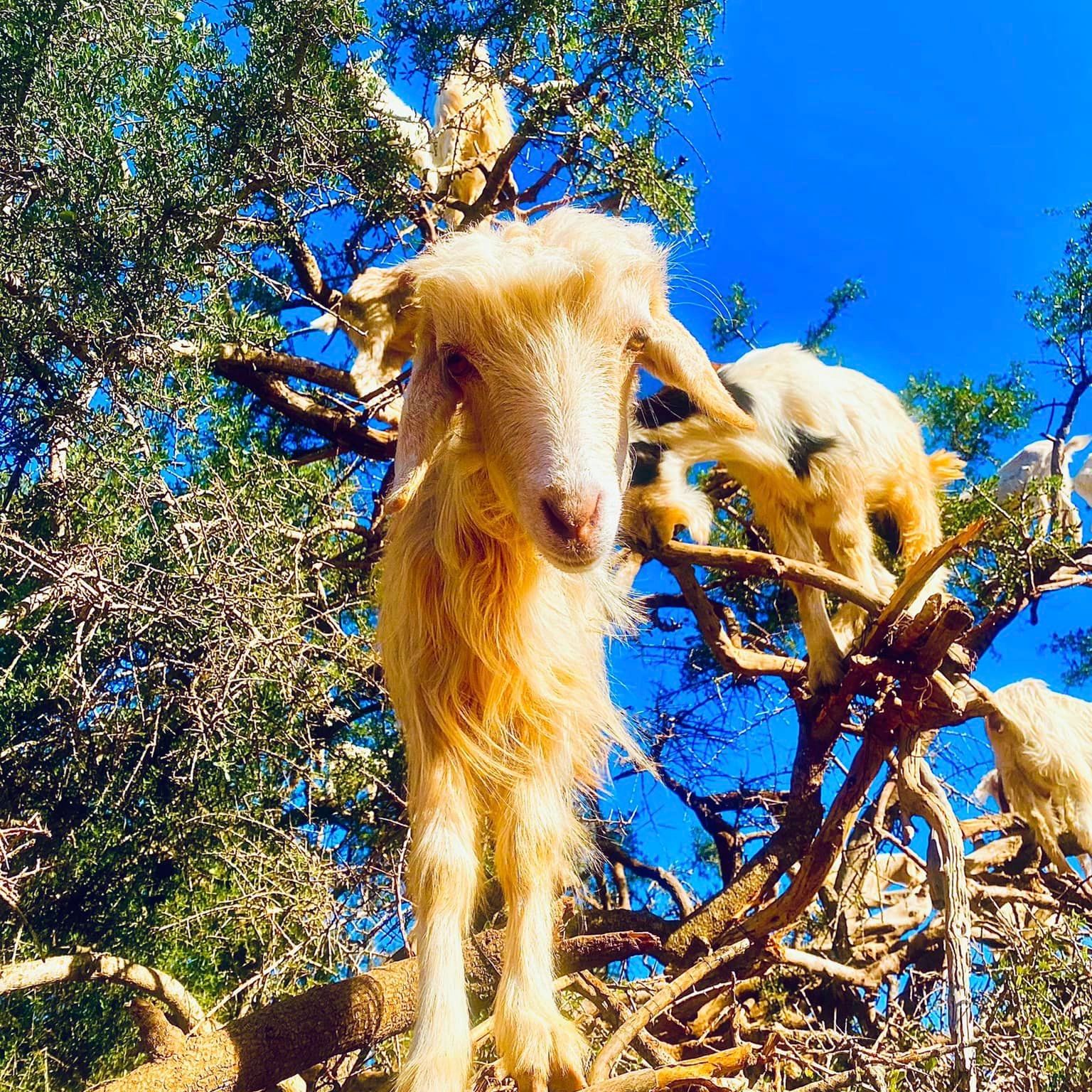
photos from Casablanca, Rabat, Essaouira, Marrakesh, Fes, including captures of… tree-climbing goats!! 💛 a romanian custom is to caress a lamb on the first days of the new year for good luck & auspiciousness – hopefully holding a goatling baby is a close-enough attempt!
and, finally, photos from New Year’s Eve, spent in the electric Marrakesh! 🖤
“I drop the dying year behind me like a shawl and let it fall. The urgent fireworks fling themselves against the night. I lean back, lip-read the heavens talking on in light, syllabic stars. I see, at last, they pray at us. Time falls and falls through endless space, to when we are.”
Perhaps one of the most jarring episodes of the Mahābhārata, the disrobing of Draupadī has been etched to my mind since my first introduction to the epic. The story of the Mahābhārata’s fire-born heroine goes as follows: the empress Draupadī, an incarnation of the celestial Śrī, is violently dragged to the royal court after her husbands, the Pāṇḍavas, are enslaved through deceit. Draupadī is tearful, menstruating, and the Pāṇḍavas’ offenders, the Kauravas, attempt to enslave her. However, she fiercely debates them and proclaims her freedom. Enraged by her rebuttal, the Kauravas decide to disrobe her. When they mercilessly begin to pull her clothing, Draupadī’s garment endlessly unfolds, and she remains clothed — by what is presumed to be the grace of Lord Kṛṣṇa. My fascination with Draupadī first began as awe of the female endurance she embodies. As a woman myself, I deeply identified with her pains, and found our sufferings to mirror each other. In my reflections, my being melded with her character, whom I felt connected to through the thread of shared female experience. I found comfort in her triumph. As I continued mulling over her story, I became inexplicably moved by the imposing testament of devotion that is showcased in her tale; in most renditions of the Mahābhārata, Draupadī, while being abused, earnestly prays to her dearest friend, confidant, and God, Kṛṣṇa, who, out of boundless compassion, answers to her calls and envelops her in his grace. It is a touching picture: as the men of the court hang their heads in shame, bound in silence and inaction by their royal vows, Draupadī, deserted by all, is shielded by her devotion to Kṛṣṇa — and her devotion is enough. However, my greatest personal and transformational shift has occurred when, with my beloved guru’s guidance, I was able to deconstruct the tale of Draupadī’s anguish in order to delve deeper into the teaching encased in it. Before doing so, there was slight anxiousness in my heart: there was self-doubt, and there were questions; Draupadī had been ‘saved’ through her devotion, but would I be? Would I be saveable or worthy? Indeed, my mistake had been not delving deeper into the teaching encased in Draupadī’s anguish by remaining stuck at the level of storytelling. The liberating conclusion I have reached is that, in truth, whether the empress’s garment endlessly expanded or not is irrelevant. The teaching veiled in Draupadī’s disrobing is that she was untouchable because she was internally free. The horror she was subjected to did not shake her internal freedom, nor did it dismantle her devotion. Throughout it all, she was rooted in her love for Kṛṣṇa, and immersed in her independent power. As she says in a recent rendition: “You cannot make me your slave because I do not allow it. Independence lies within me; it is not a piece of clothing you can snatch.” All along, the question was not whether I would have been saved; it was whether I could unearth Draupadī’s fearlessness in myself. The Mahābhārata’s fire-born heroine has taught me that freedom lies within me. It is not given to me by others, and it cannot be taken from me. My freedom is married to my devotion, and my heart holds the keys to both.
This article has been publishedin the second volume of Śabda Magazine.
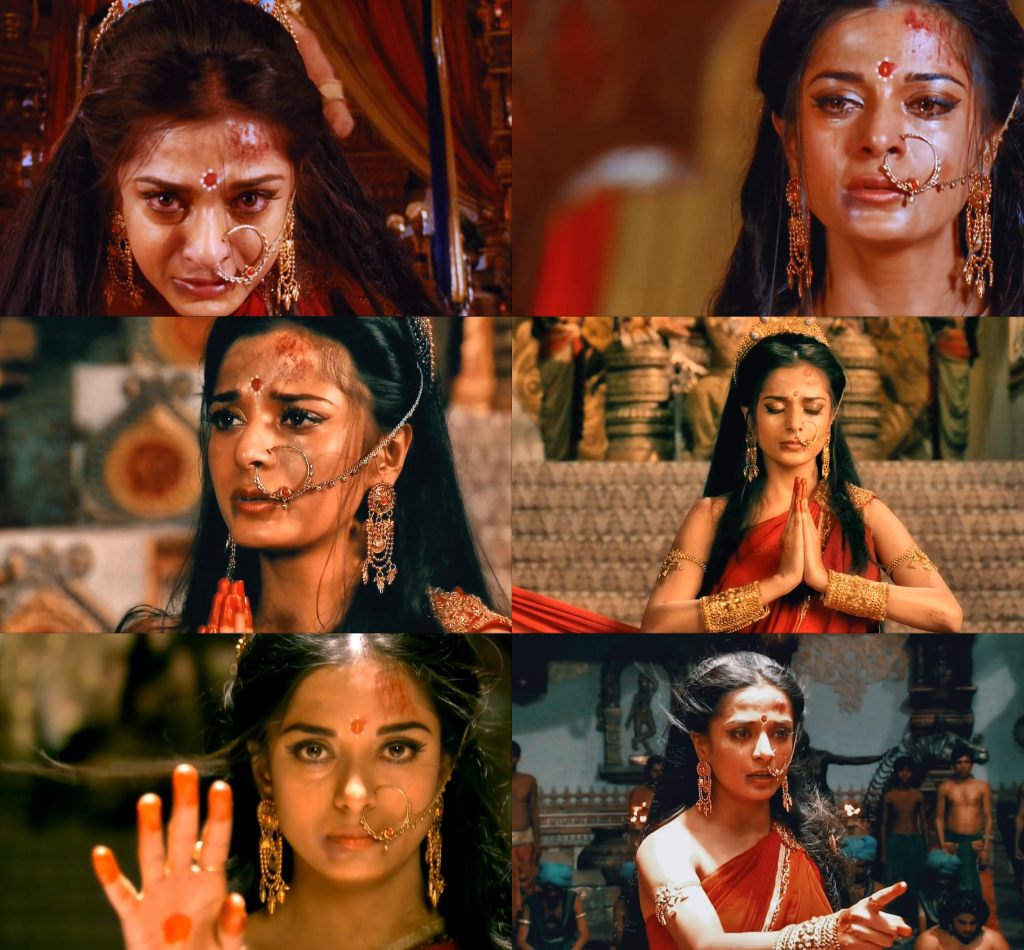
Collage I made of Pooja Sharma as Draupadī in the 2013 Mahābhārat. Although the TV series presents many distortions, her brilliant, fiery performance makes viewing it a joy for me.
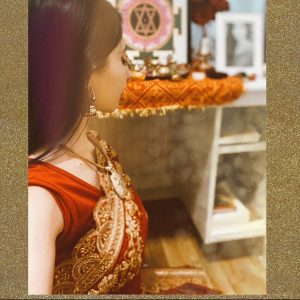
 excerpt from a poem from my upcoming collection “the Monsoon One and the pilgrim”. photo: Gangotrī at night. the Himālayas are calling again.

 Morocco weaves beauty and devotion magnificently within itself, and it has left a profound mark on me. seeing those splendid lands filled me with joy and almost recognition, as if i had been there before, perhaps in another life. what was most significant for me was witnessing the calls to prayer. it moved me to tears – to see people drop their everything to join prayer, with fervour and innocence. from truck drivers parking their car on the side of the road and kneeling before their devotion on the land, to workers kneeling on the pavement on busy streets with folded hands… truly a most touching sight for sore eyes.






 amaryllis