the flow of knowledge

knowledge flows from teacher to student, and from student to teacher.

at the beginning of my academic journey, i was continuously surprised by the way the majority of our professors engaged with me and my colleagues; not only did they genuinely express interest in our opinions, but they also valued our input, ensured the openness of dialogue between us, and consistently encouraged us to become independent in thought and in writing. the learning environment i had been exposed to until then, namely secondary education in my home country, had been completely different: it had been one of strict hierarchy, in which plurality of thought was not existent, and in which the minds and experiences of students were not valued. it took me awhile to become used to – well, being valued, and to valuing my input myself.

i remember one particular exchange i had with a professor of mine, in which i expressed my understanding of one subject and proceeded to reflexively dismiss it by cloaking it in the “i am just a student, and who am i to say anything about this” garb. my professor stopped me and said something along the lines of: “yes, we are just people. but that doesn’t mean our contributions can’t be meaningful.”

the first week of my Ph.D. was similar: professors consistently reminded me and my colleagues that we are more than students, and they see us as valuable members of a research community that works together. they encouraged us to renounce our inhibitions, and to think, write and act as such.

it has become exceedingly important for me in my journey to be in such learning environments in which, past the roles of students and teachers that we play, there is an understanding of the flow of knowledge, which, in my view, would be limiting to think of as flowing rigidly in only one direction. knowledge flows from teacher to student, but also from student to teacher, and from student to student. i believe that to cut oneself off from receiving the flow from any source because of preconceived ideas of how it flows, and who to learn from, is a great loss.

sometime ago, i had a great conversation with my dear friend Avi Sato about how these same principles of knowledge flow apply in the area of spirituality as well, nuance which had long eluded me. 
Draupadī’s Disrobing: Menstruation as Purification and the Price of Blood

In response to the article about Draupadī’s disrobing that I shared yesterday, Jim beautifully questioned whether the act of violence spurred from limited views around nudity and if it would have been avoided if nudity was perceived differently in that society (if it was common, seen as sacred or normal). This was a very rich ground of contemplation for me, and the reflections I have had are the following:

First, I would like to establish that Draupadī was not wearing a sari when her attempted disrobing took place. She was wearing a single cloth which covered her body through which she was menstruating, which was the custom at the time. It can be deduced through various references toward her appearance found throughout the Mbh that, outside of the timeframe of her menses period, she did not customarily wear an upper garment, so her breasts were uncovered. At the time of her attempted disrobing, she was wearing more clothes that she usually was. The men had already seen part of her body which they wanted to disrobe. There are scholars who argue that she was not wearing a single cloth at the time of her disrobing and she was instead wearing both an upper garment and a lower garment. I would argue that this is irrelevant, as the point still remains that her breasts were covered, and they usually were not.

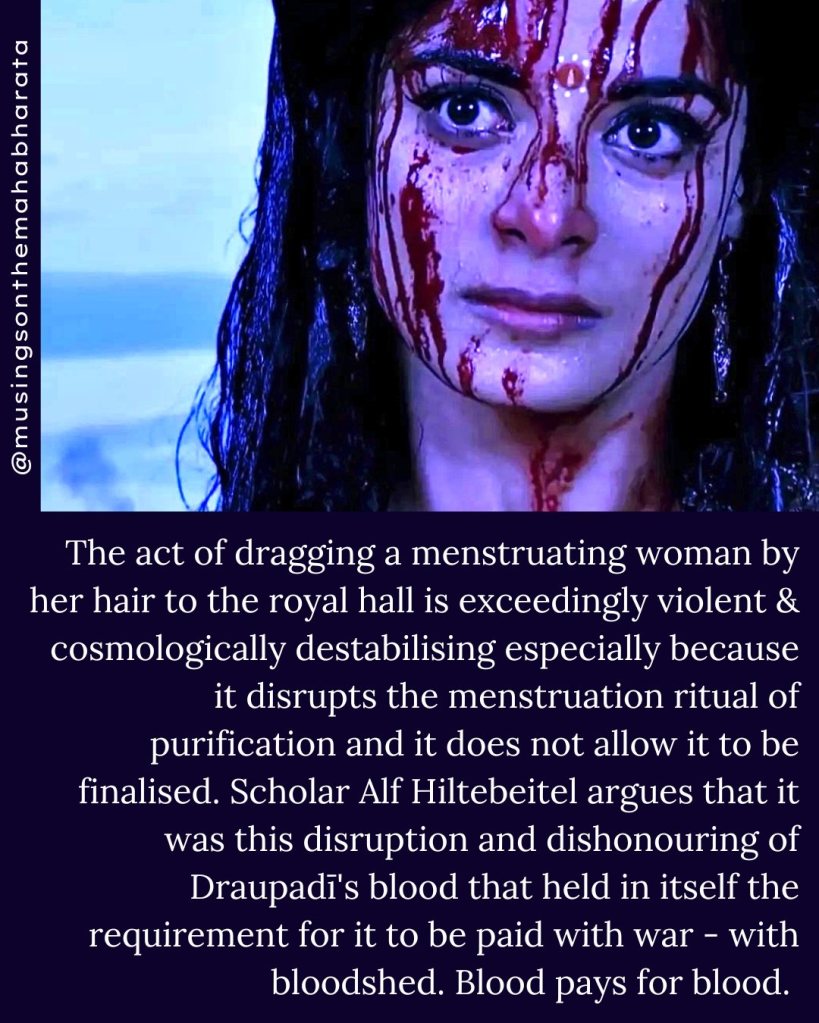
Second, I would maintain that, the disrobing episode, as most acts of sexual violence, was more about power than about sex or nudity, and that the key factor here, lost in so many adaptations, was not the attempted disrobing & possible nudity, it was the fact that Draupadī was menstruating, and she was brought to the royal hall in a stained garment through which she was free-bleeding. Menses was / is considered a period of purification. The act of dragging a menstruating woman by her hair to the royal hall – who, as I priorly mentioned, was wearing more clothes than usually – is exceedingly violent & cosmologically destabilising especially because it disrupts the menstruation ritual of purification and it does not allow it to be finalised. Further, hair in itself is a symbol of sexual power for a woman. Duśāsana grabbing Draupadī’s hair is an attempt to curb her sexual power and own her sexuality.

Draupadī bleeds in the hall and leaves Hastinapura bleeding through her clothes. Scholar Alf Hiltebeitel argues that it was the dishonouring of her blood that held in itself the requirement for it to be paid with war; with bloodshed. In the cosmological cycle, blood pays for blood.

The Kauravas wanted to humiliate, own and disempower Draupadī; nudity was one of the means to get there, along with disturbing her purification rituals, not the end goal. However, one could argue that in a society in which nudity was seen as sacred the intention to humiliate wouldn’t have arisen in that openness or expansion of consciousness – but maybe it would have just taken a different form and found different means.

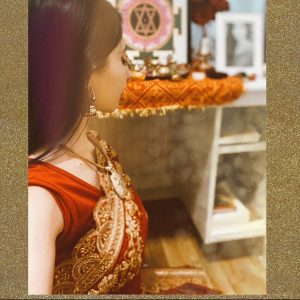
Photo: Pooja Sharma as Draupadī, bathed in the blood of her principal offender. The cosmological cycle is finalised. 

references on Draupadī, the symbols of menstruation as purification and hair as female sexual power: https://press.uchicago.edu/…/book/chicago/C/bo3626877.html

musings on the Mahābhārata series: introduction

The Mahābhārata is a love of my life, and one of my main research interests – as well as the subject matter of my upcoming PhD thesis! for awhile now, i have been reflecting on how to meaningfully share about the Mbh on my social media platforms. generally, i would say that there are two main approaches to the Mbh in contemporary discourse: one is the academic and scholarly approach, which, although i both adore and adhere to, i find to be largely inaccessible and limited to the academic niche. the second, which seeps more into contemporary discourse, i find to be a moralistic, religious outlook. although i consider both approaches to be valid and needed in society, i believe that what is missing is more intimate, personal sharing about the Mbh. i, for one, am not in love with the Mbh purely out of intellectual curiosity. for me, The Mahābhārata is alive; it exists within me and within the collective consciousness as a mirror to our own thought processes and individual universes. i would therefore like to challenge myself past my usual scholarly approach and share earnestly about what it means for me to immerse myself in this marvellous epic. for instance, what does it mean for me as a modern woman to read about Draupadī’s disrobing; how can i understand myself better through her character?

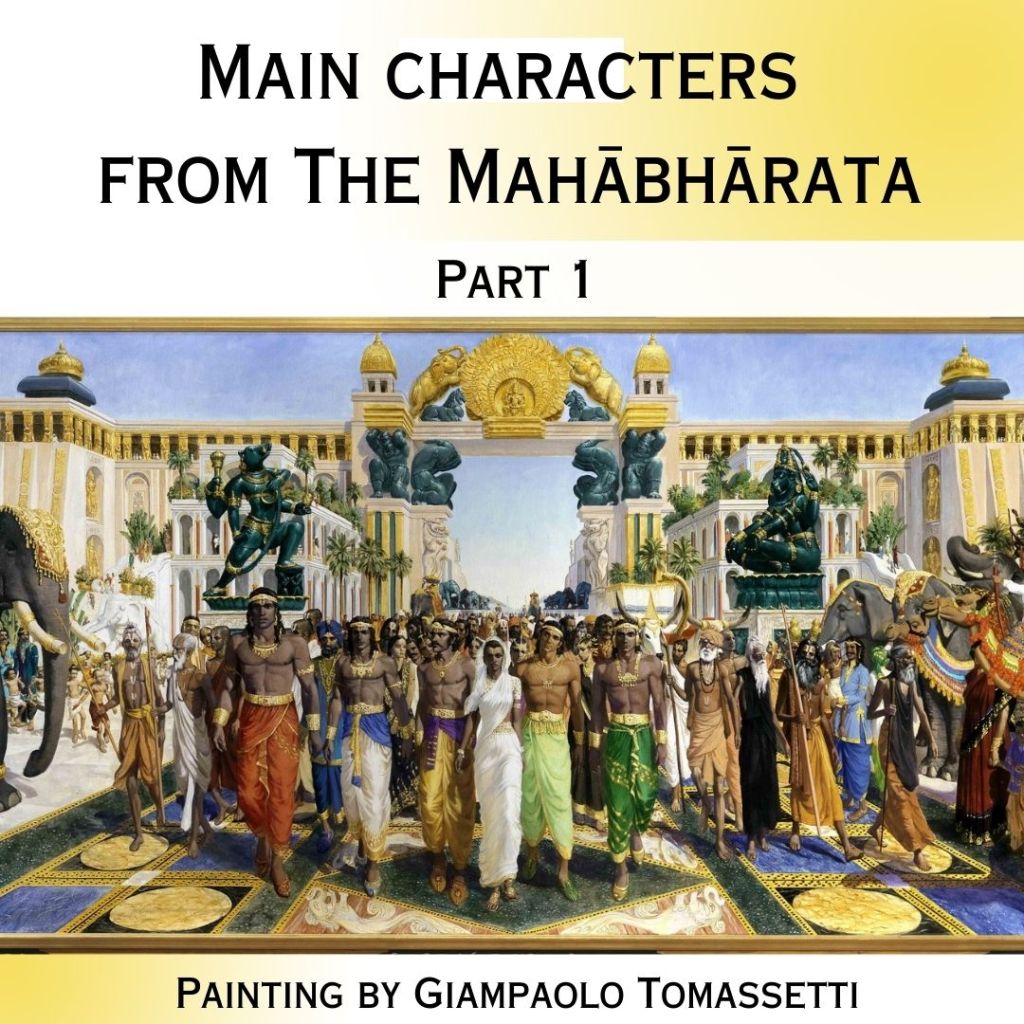
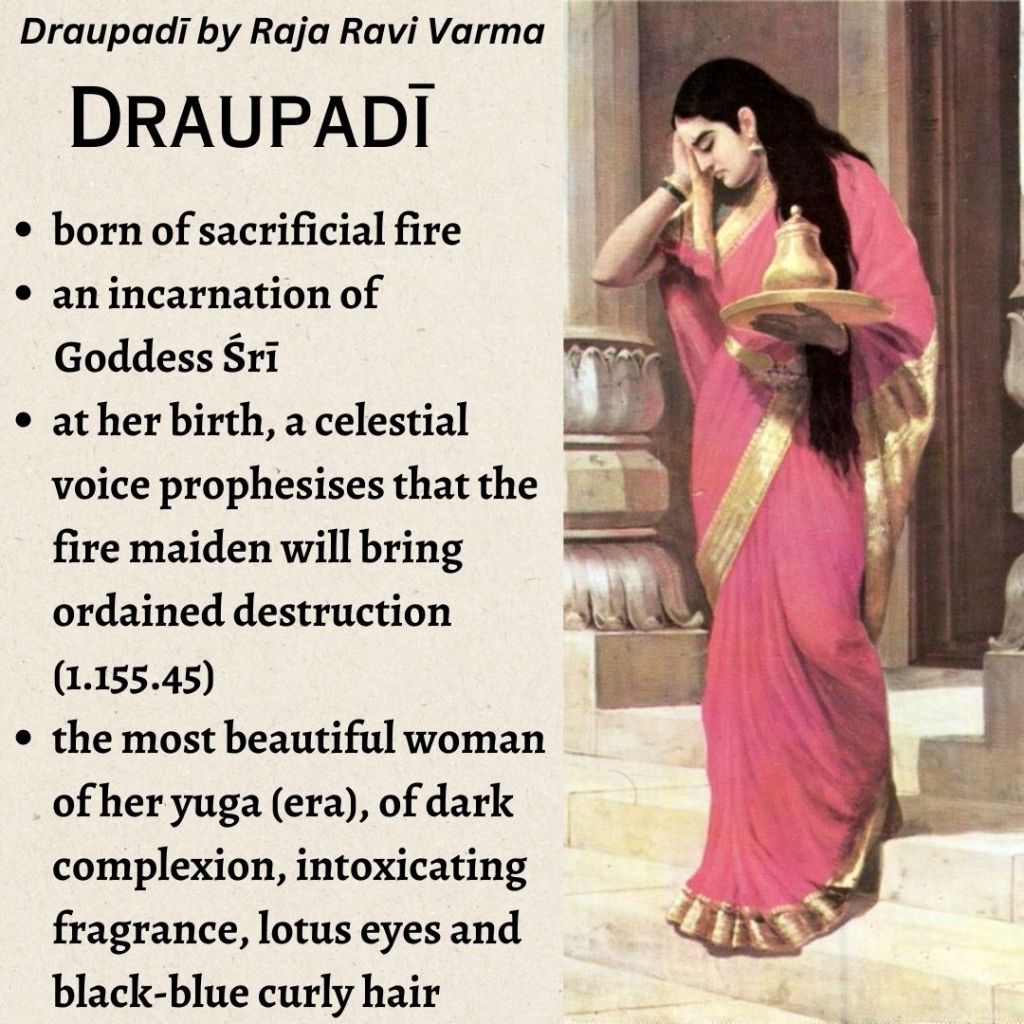
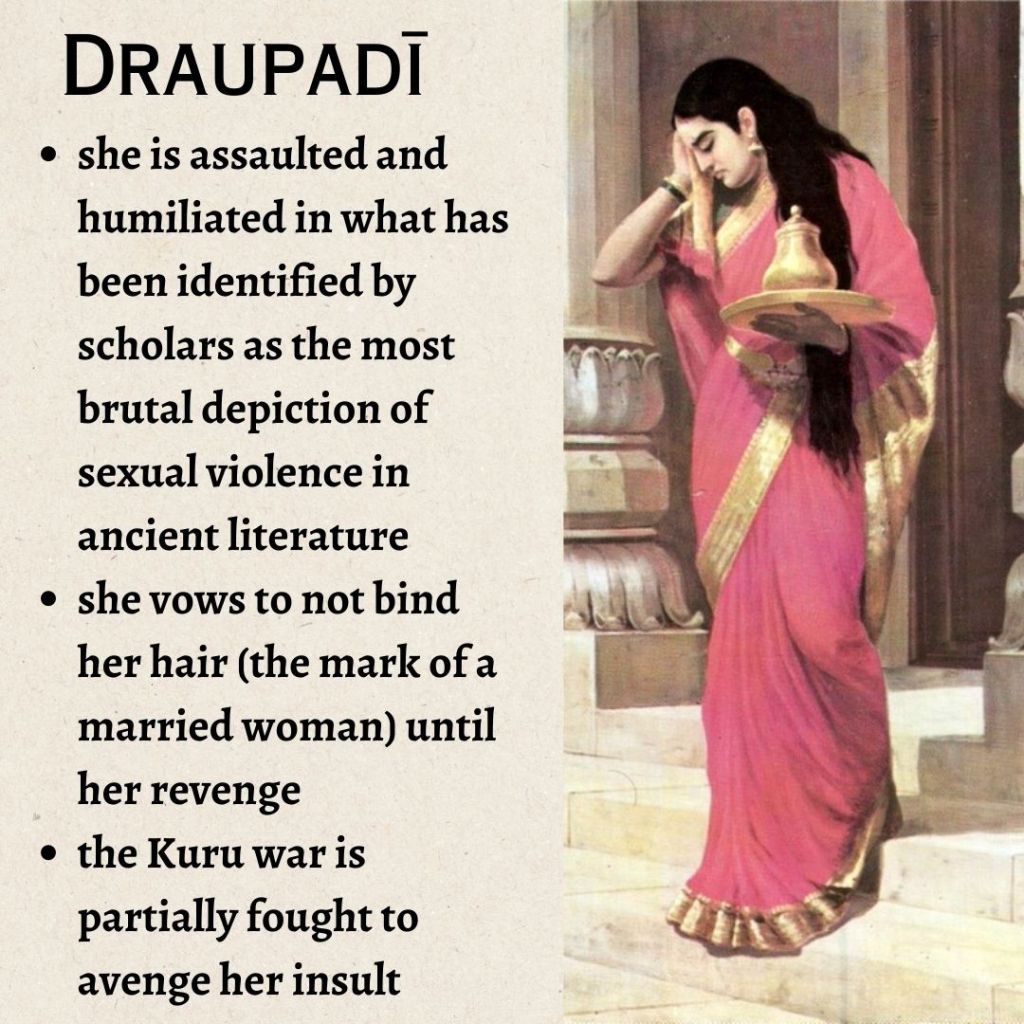
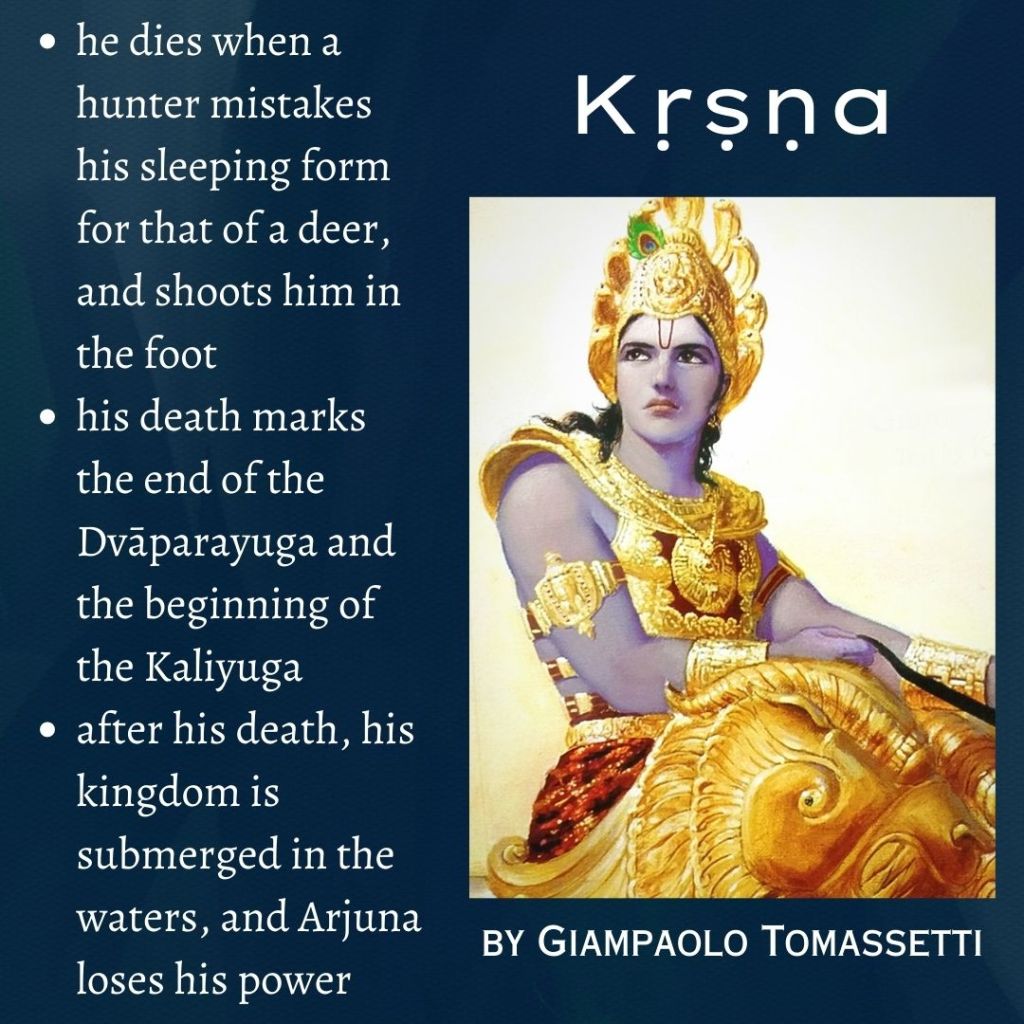
to ground these discussions more, i will create infographics about the plot, the historical context & main characters (created more out of love for the Mbh than for these discussions, to be honest!).

very excited for this and am looking forward to establishing myself further in the epic’s framework through this interactive approach! 🖤

to begin with,

WHY THE MAHĀBHĀRATA?

a question any scholar should ask themselves, i would argue, is why? why is my research relevant, why should i conduct this research in the first place, and how can it answer to questions of the present?

today, i am going to answer to this question with regards to the Mahābhārata. why should we care about an ancient epic poem? first of all, because the Mbh is not a dead, lifeless piece of literature. i would argue, and this is one of the main claims i will construct in my phd thesis, that the Mbh is ever-fluid and ever-changing. throughout centuries, there have been countless of retellings of the epic, each bearing differences, interpolations. does this mean that they are invalid? i would maintain that they are very much valid, and the continuous changes shaping and re-shaping the epic come as a result of its aliveness: it is alive, pulsing in the collective consciousness. in this full aliveness, the Mbh is moulded by society and culture as they evolve, acting as a mirror.

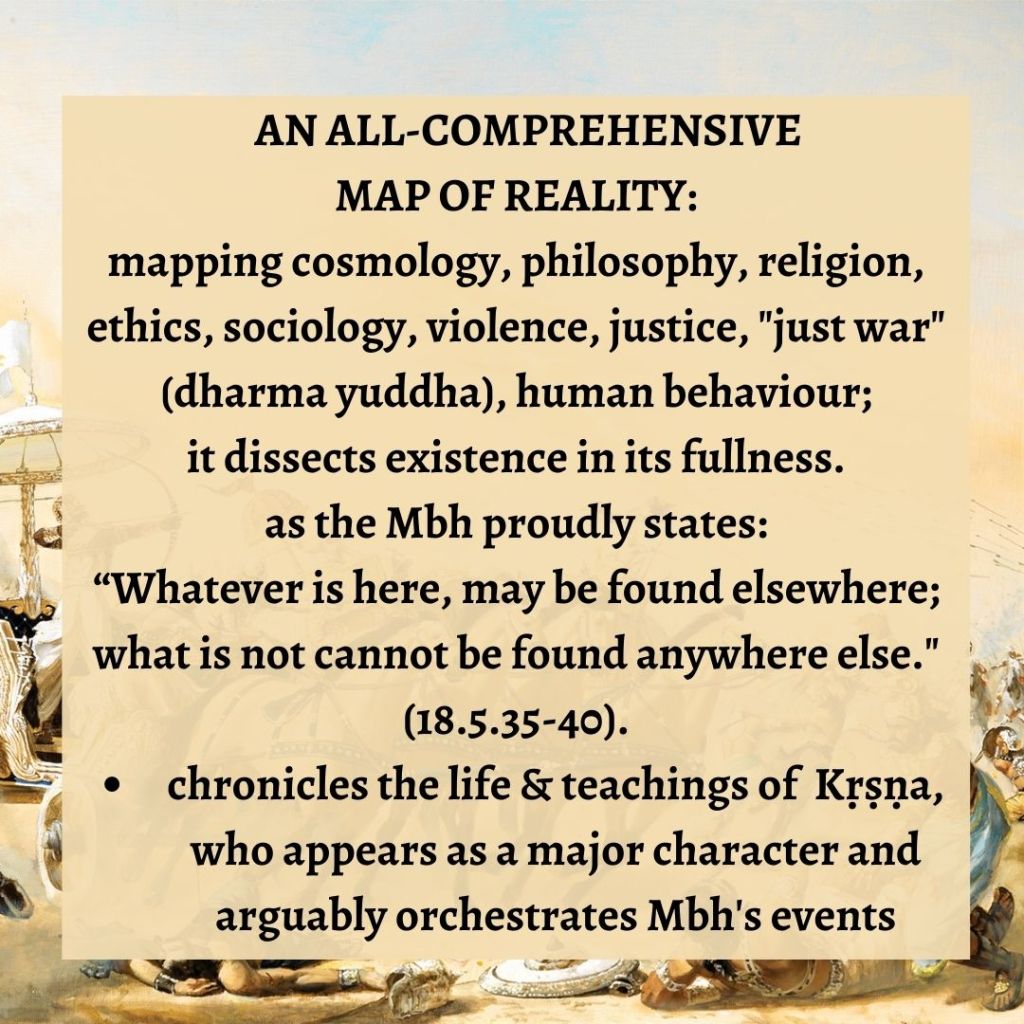
on the other hand, the Mahābhārata in itself proudly states that what you can find in it, you can find anywhere else, but you cannot find anywhere what does not exist in the Mbh; there is nothing that it does not address. in this, it tells us that it contains all answers and questions we can have – albeit in a very abstract and cryptic manner. for instance, it contains futuristic themes (for its time of creation), such as IVF and AI, and it addresses themes which are very relevant to the present day: religious violence, women’s rights, ethics. it answers to all questions we can have about the human condition; as although times are ever-changing, the human experience always remains the same, or so i would maintain: the questions we ask ourselves at their core remain the same, although the experience will be manifested or expressed differently at surface level. the Mbh thus contains inexhaustive areas of self-exploration and opportunities to understand ourselves and the world. 🌌

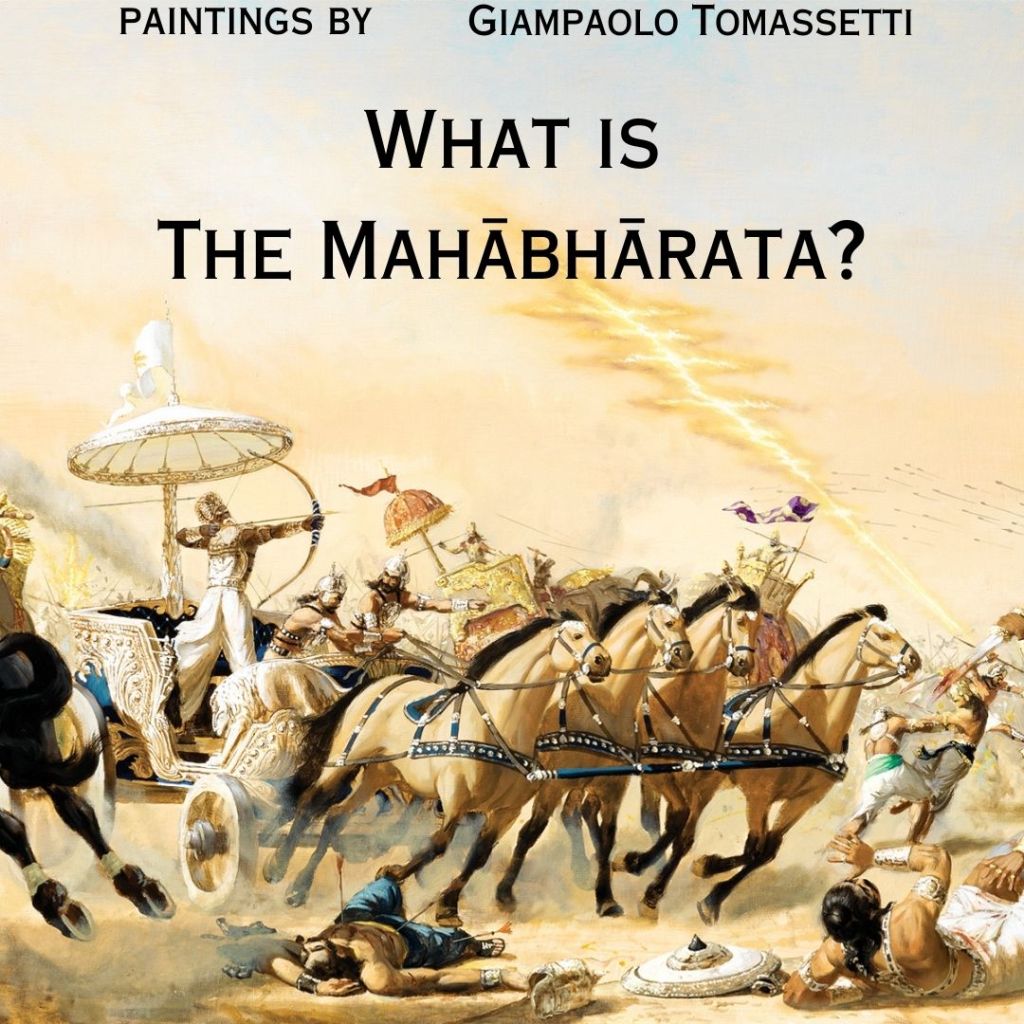
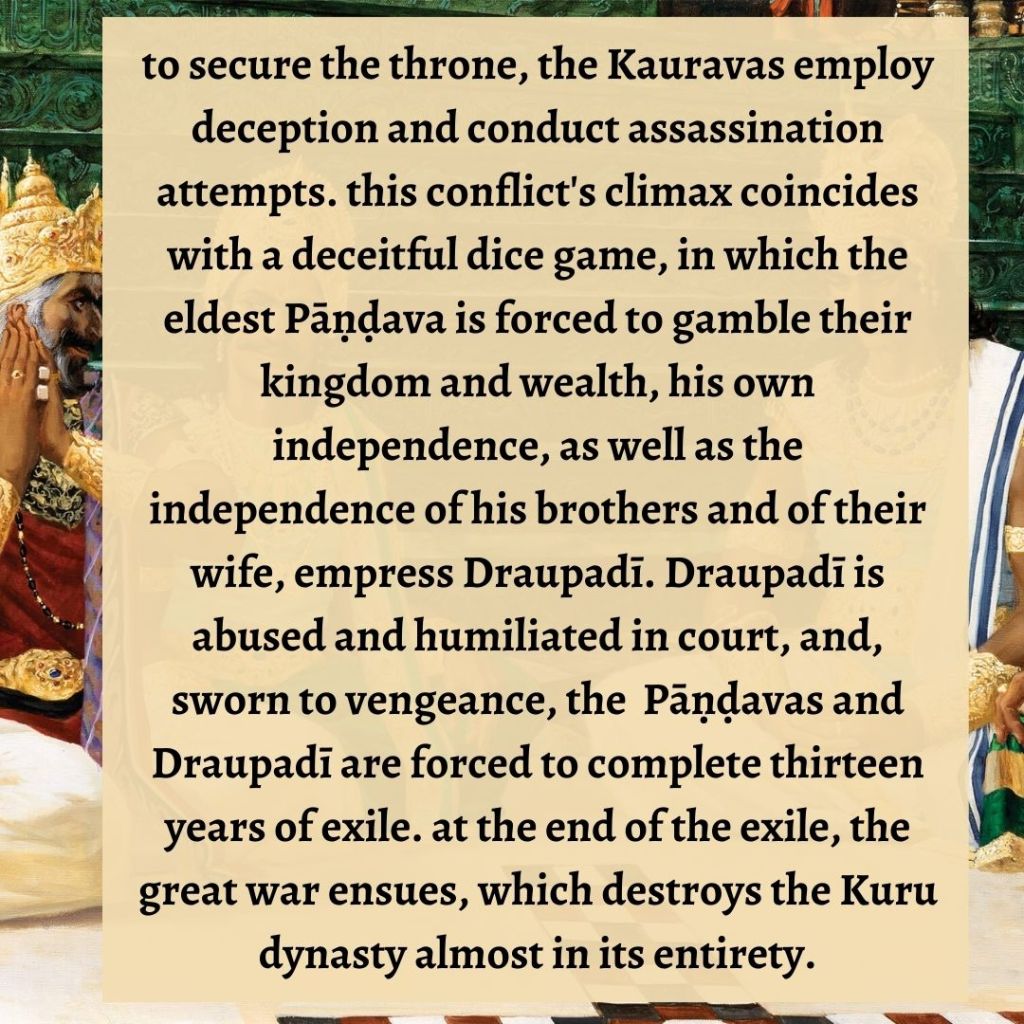
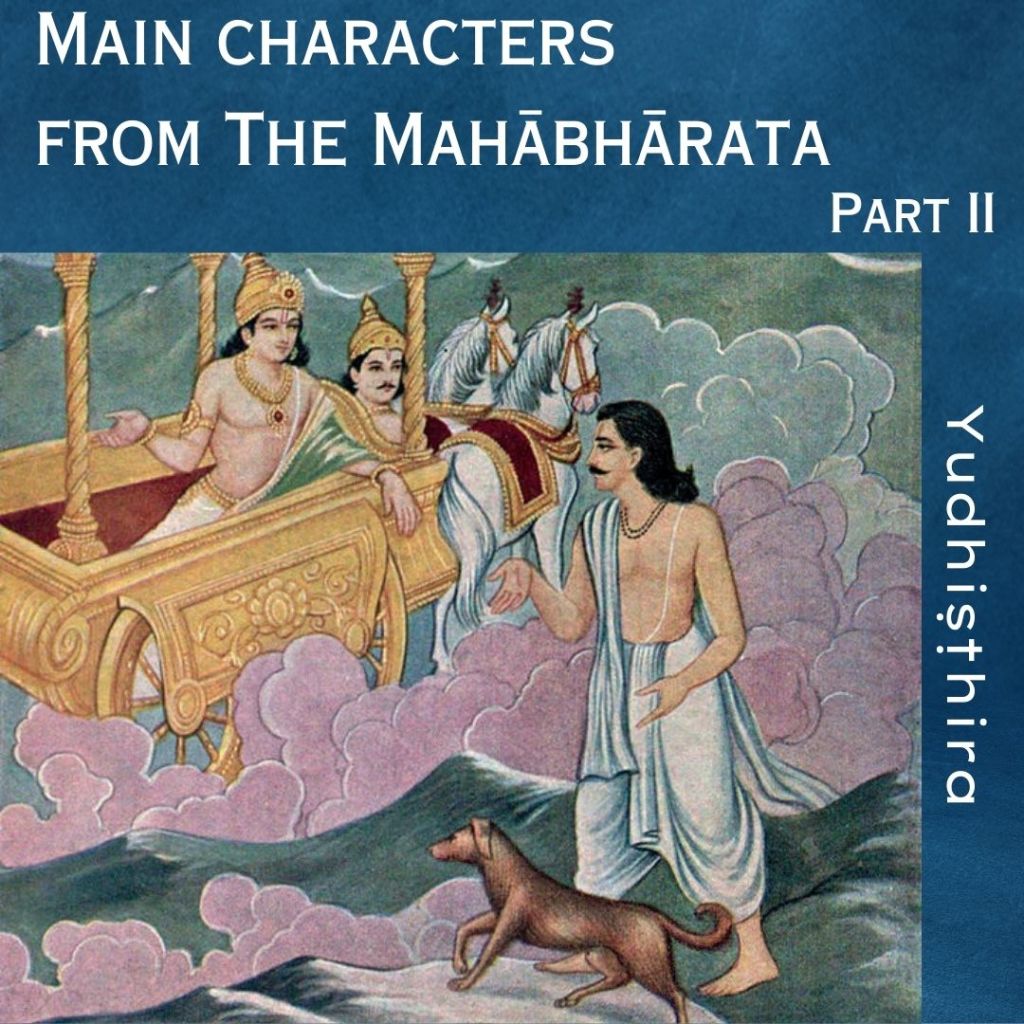
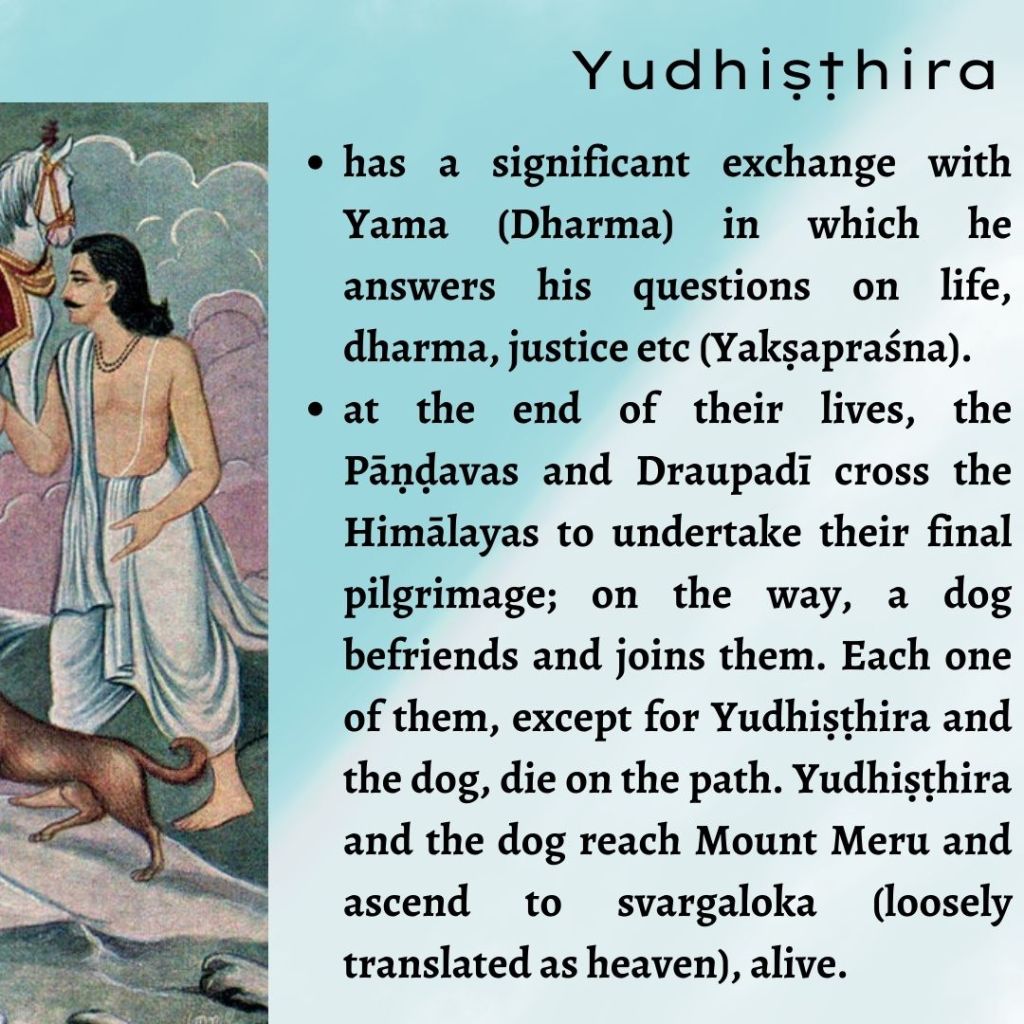
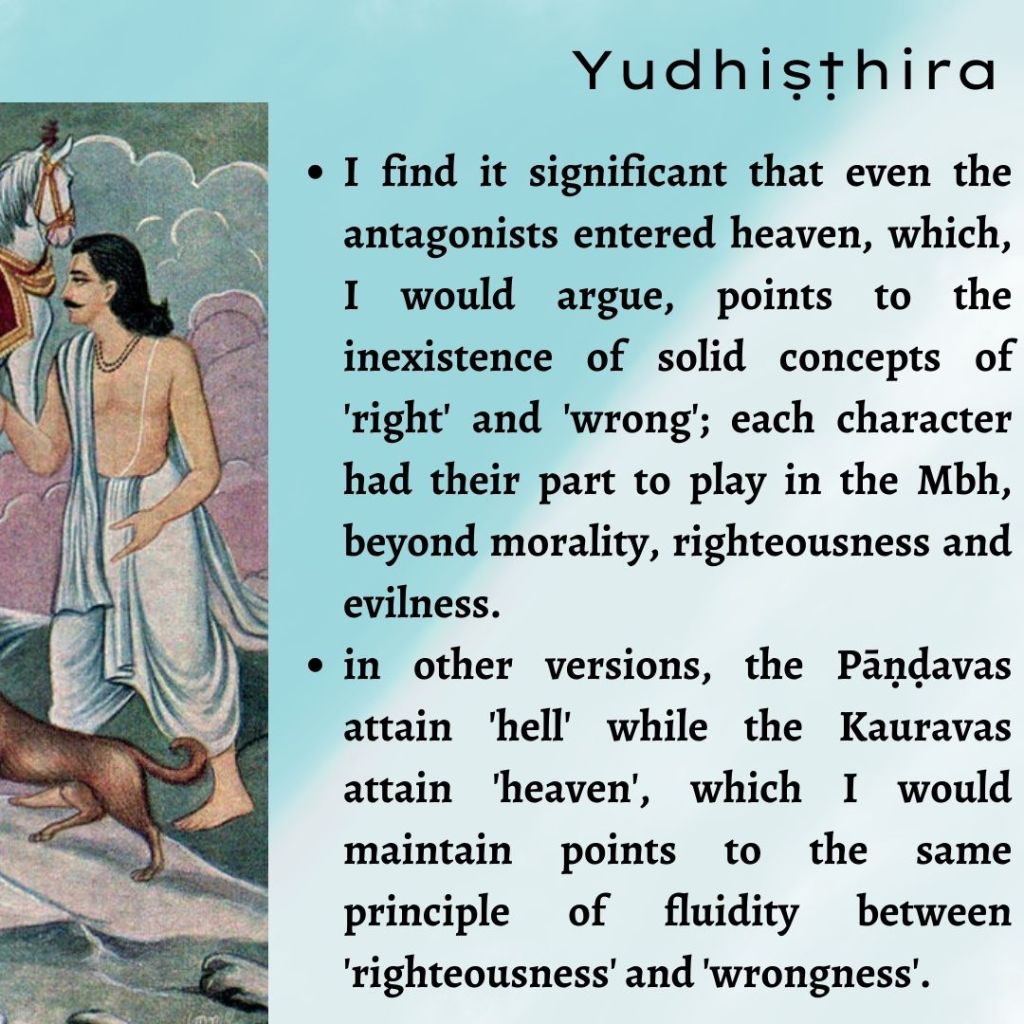
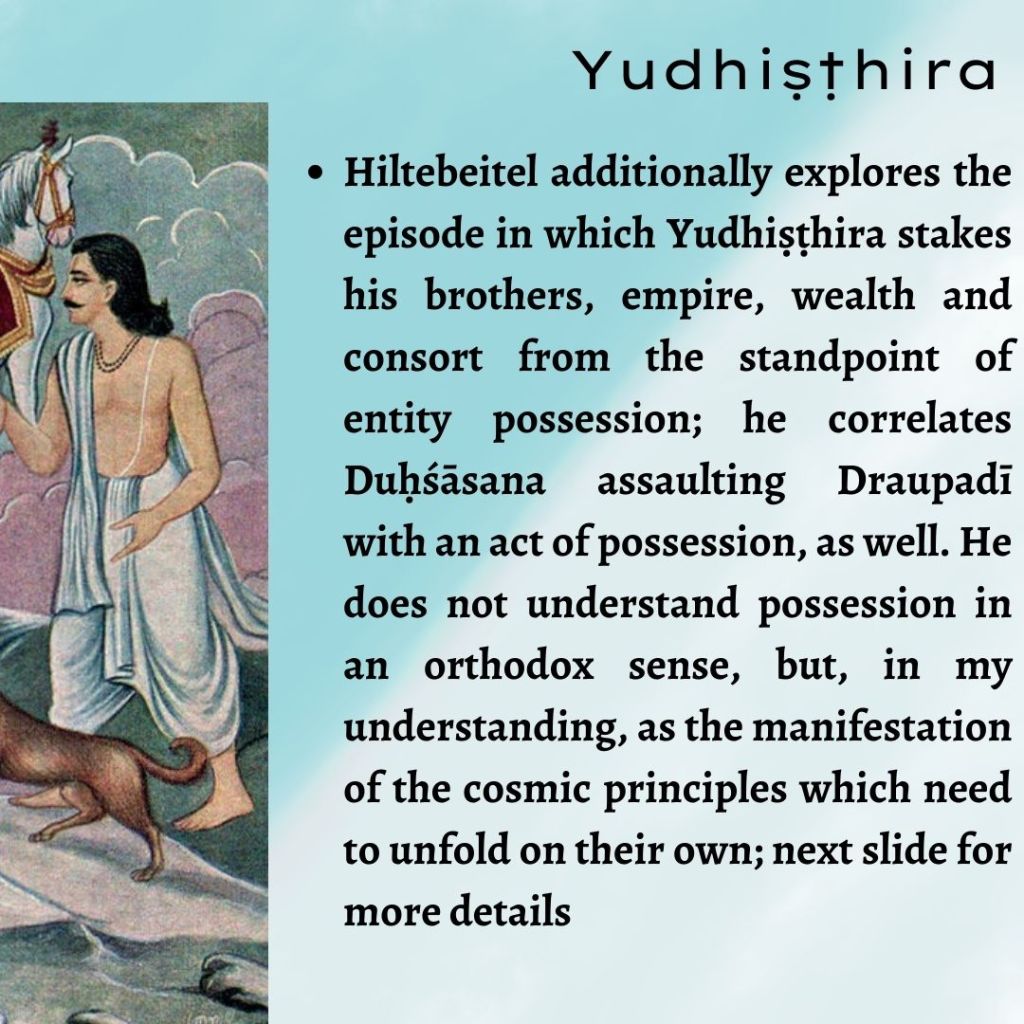
101 on the Mbh – infographics below! (parts 1, 2, 3… of many!)

watch my videos here in which i speak in length about the topics mentioned above: https://www.instagram.com/musingsonthemahabharata/