amaryllis (/ˌæməˈrɪlɪs/[1]) – bears the name of the shepherdess in virgil's pastoral eclogues. it stems from the greek ἀμαρύσσω (amarysso), meaning "to sparkle", and it is rooted in "amarella" for the bitterness of the bulb. the common name, "naked lady", comes from the plant's pattern of flowering that blooms when the foliage dies. in the victorian language of flowers, it means "radiant beauty".
incredibly thrilled to have graduated from my second Master’s Degree awarded with a Distinction and with A+ on my final portfolios & dissertation. ❤️🔥
moving forward with the beautiful words spoken by Baroness Ashton, Warwick University’s first ever woman chancellor, as one of my precepts in life: assume that anyone you ever meet knows something you don’t. further, i was moved by two of our professors’ kind reminders to us, which i will share here.
first: yes, what we have achieved is great and we must celebrate it “wildly and loudly”; and yet, we must not be complacent and rest on our laurels. don’t stop; keep moving. there is always room for refinement, growth, expansion. of course, there is and there isn’t – as in, the whole is not separate from the parts, and the part is still the whole even if it appears part, as the Upaniṣads teach us. and yet; when the grasping to knowledge that comes from insecurity and self-loathing begins to stop… glimpses of the human potentiality that is never-ending yet whole begin to become accessible.
second: do not hoard knowledge. do not claim it as solely your own. share generously.
grateful our professors reminded us of our limitations. onward with enthusiasm and dedication to knowledge and to perfecting my craft.
finally… this is my third degree yet first awarding ceremony i have attended due to pandemic reasons and life circumstances, so i was especially excited to have this experience. 🥰
gratitude to my professors, supervisors, family, colleagues and friends. 🙏
the darkest side of academia that the dark academia genre exhibits to me is the ivory tower. the superiority complex. the snobbery. deluding yourself that you are superior to other human beings because of your accumulated information, information used as justification to behave with contempt.
i’ve recently read the brilliant The Secret History by Donna Tartt, a staple book of the dark academia genre, and what marked me was the contempt with which the exceptionally intelligent group of main characters treated everything: from the people around them to technological advancements and innovations in any field which was not theirs (namely, the classics).
i’ve been contemplating that, personally, i am not interested in knowledge that cuts me off from the world. i am interested in knowledge that enhances every facet of my experience of the world. i am interested in knowledge that deepens my connection to myself and to the people i encounter. the moment knowledge instils a sense of superiority, elitism, and exclusivity, to me that is not knowledge. that is a trap of the illusion of knowledge.
the trap will come, and i’ve seen it in me plenty: at our core, we are meaning-making machines and our identity is built on separation, comparison and rejection. the mind will feed into the making of identity any information it gathers. but ultimately we are not slaves to it. when the allure of superiority peeks its head, it can be deconstructed – not from a place of fear or shame, but from a place of understanding and gentleness. that is knowledge to me. what excludes that, to me, is accumulation of information.
i love reading dark academia books because they mirror back to me my ingrained patterns (such as fascination with exclusivity; exclusive teachings, teachers such as Julian Morrow – writing an article on him at the moment!) & the many traps paving the / my way.
I have been asked on Tumblr how the Mahābhārata answers to the question of suffering (is suffering important? why? how?). First, this is an amazing question which hadn’t occurred to me to ask myself in relation to the Mbh, so I’m grateful for this prompt.
Second, I wouldn’t say that the Mahābhārata distinguishes suffering as important, but it does establish that it exists. All its characters undergo extreme suffering: from sexual assault to losing and grieving children, beloveds, friends, subjects. No character is spared from grief, and, in this, suffering is established as an inevitable reality of the human experience.
However, as scholar Emily Hudson argues in her book “Disorienting Dharma: Ethics and the Aesthetics of Suffering in the Mahābhārata”, there is another dimension the epic offers to the question of suffering, which is that of confronting it. Confronting suffering “involves cultivating a clear sense of the factors that contribute to human misery” (p.33) which the epic, I join Hudson in maintaining, equates with “the quality of one’s mind (manas)” or “intelligence (buddhi)”.
In a significant scene that occurs in the aftermath of the war, Yudhiṣṭhira, crippled by guilt and loss, refuses to rule, and wishes to renounce the world and his responsibilities in an effort to both punish himself and escape his pain. Kṛṣṇa, Draupadī and the other four Pāṇḍavas each give individual speeches to Yudhiṣṭhira in which they attempt to convince him that he cannot do so, that he has a duty to uphold, and, most fascinatingly, that the intensity of his suffering is derived from a misunderstanding of reality.
Most beautifully, Yudhiṣṭhira is told by Kṛṣṇa and Bhīma that “the battle he now must wage is the one with his mind (manas)” and he is to accept the impermanence of existence (Hudson, p.33; Mbh; 12.16.21-25; 14.12.1-14).
My understanding of this exchange is that, suffering will come. However, the extent to which we suffer is dictated by the clarity of our perception. One will naturally grieve death and loss and experience sorrow; however, the narratives we create around these emotions or experiences will dictate whether we remain stuck in them, or whether we welcome them as transitory states that experience themselves through us.
Just as Yudhiṣṭhira falls to his grief, yet picks himself up and rules, so can we.
Many thanks again to the Tumblr user from London who asked this question – if anyone has any other question, please, all are welcome here! Receiving questions from different perspectives is helping me see the epic in new ways in which my mind might not take me on.
Painting: The Destruction of the Yādavas. Unknown artist – do let me know if you know the artist!
The Mahābhārata is a love of my life, and one of my main research interests – as well as the subject matter of my upcoming PhD thesis! for awhile now, i have been reflecting on how to meaningfully share about the Mbh on my social media platforms. generally, i would say that there are two main approaches to the Mbh in contemporary discourse: one is the academic and scholarly approach, which, although i both adore and adhere to, i find to be largely inaccessible and limited to the academic niche. the second, which seeps more into contemporary discourse, i find to be a moralistic, religious outlook. although i consider both approaches to be valid and needed in society, i believe that what is missing is more intimate, personal sharing about the Mbh. i, for one, am not in love with the Mbh purely out of intellectual curiosity. for me, The Mahābhārata is alive; it exists within me and within the collective consciousness as a mirror to our own thought processes and individual universes. i would therefore like to challenge myself past my usual scholarly approach and share earnestly about what it means for me to immerse myself in this marvellous epic. for instance, what does it mean for me as a modern woman to read about Draupadī’s disrobing; how can i understand myself better through her character?
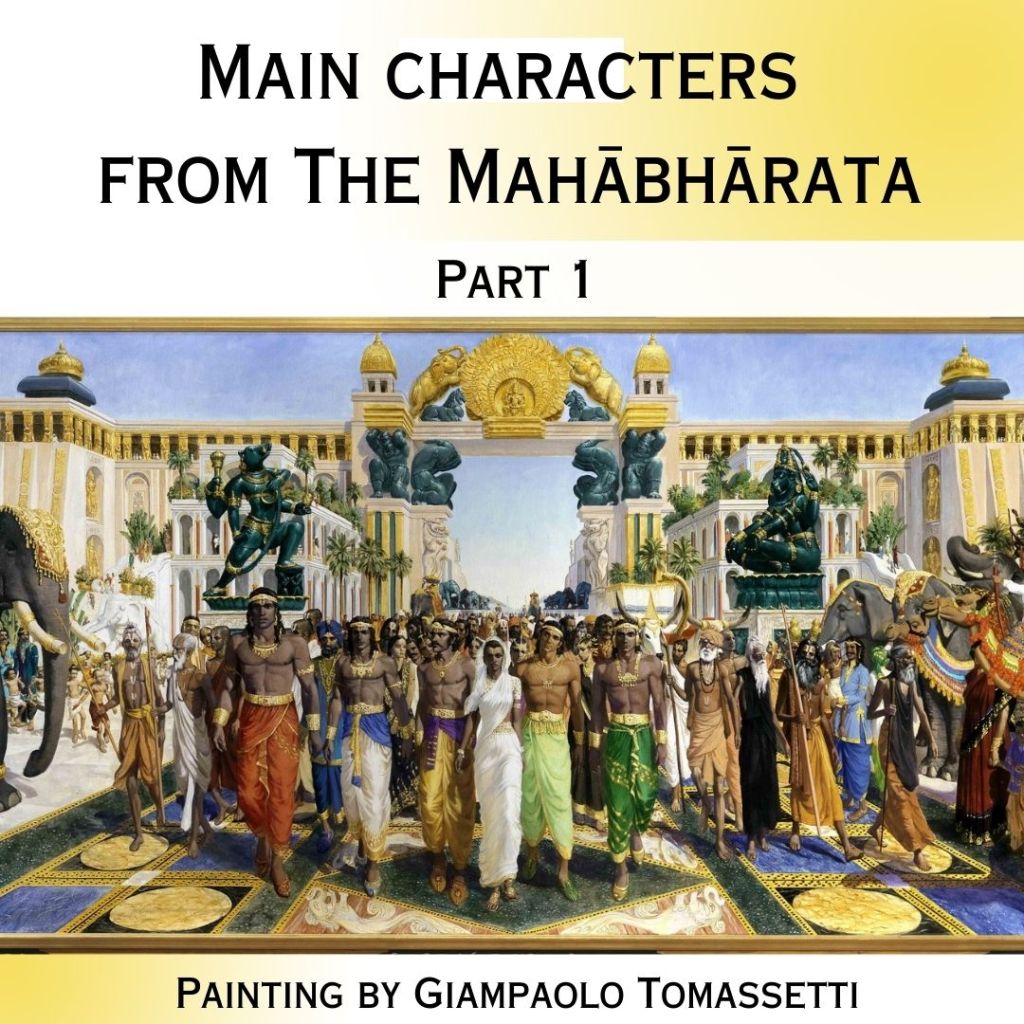
to ground these discussions more, i will create infographics about the plot, the historical context & main characters (created more out of love for the Mbh than for these discussions, to be honest!).
very excited for this and am looking forward to establishing myself further in the epic’s framework through this interactive approach!
to begin with,
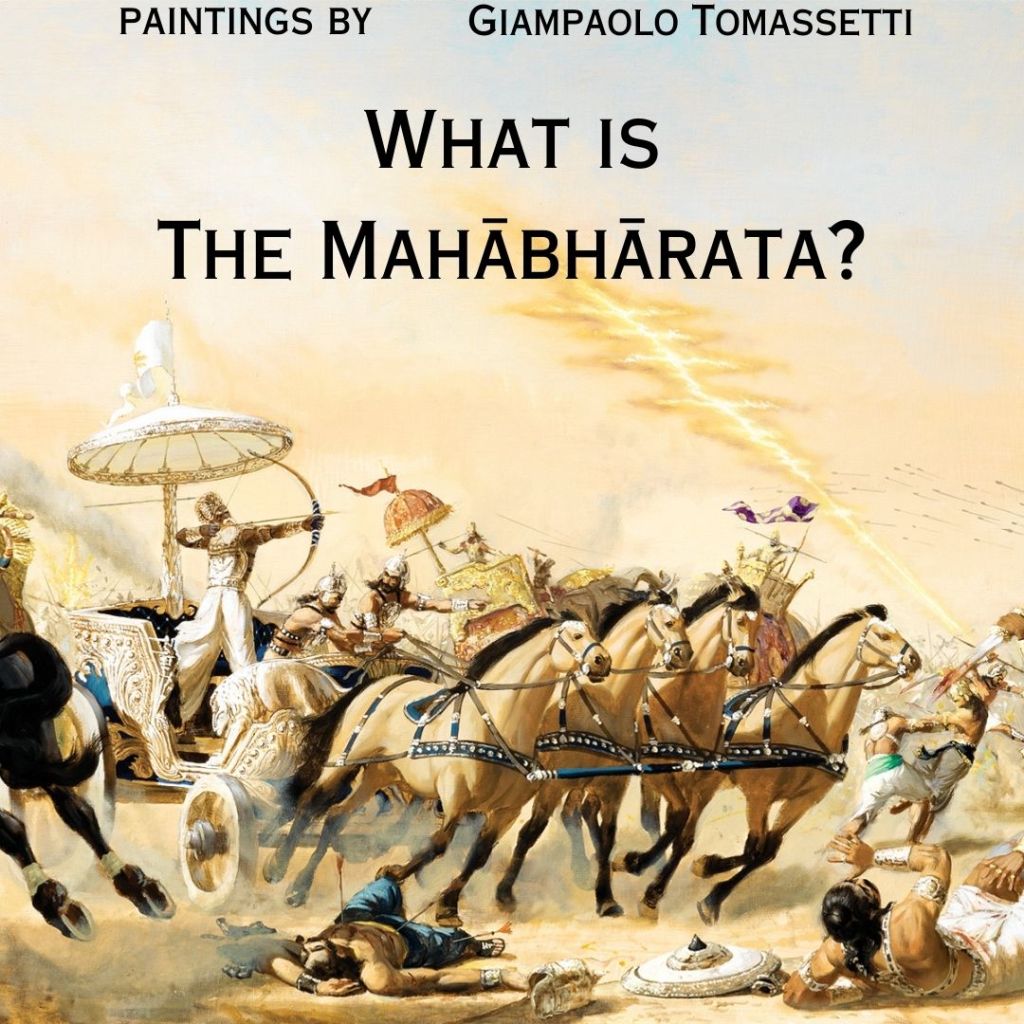
WHY THE MAHĀBHĀRATA?
a question any scholar should ask themselves, i would argue, is why? why is my research relevant, why should i conduct this research in the first place, and how can it answer to questions of the present?
today, i am going to answer to this question with regards to the Mahābhārata. why should we care about an ancient epic poem? first of all, because the Mbh is not a dead, lifeless piece of literature. i would argue, and this is one of the main claims i will construct in my phd thesis, that the Mbh is ever-fluid and ever-changing. throughout centuries, there have been countless of retellings of the epic, each bearing differences, interpolations. does this mean that they are invalid? i would maintain that they are very much valid, and the continuous changes shaping and re-shaping the epic come as a result of its aliveness: it is alive, pulsing in the collective consciousness. in this full aliveness, the Mbh is moulded by society and culture as they evolve, acting as a mirror.
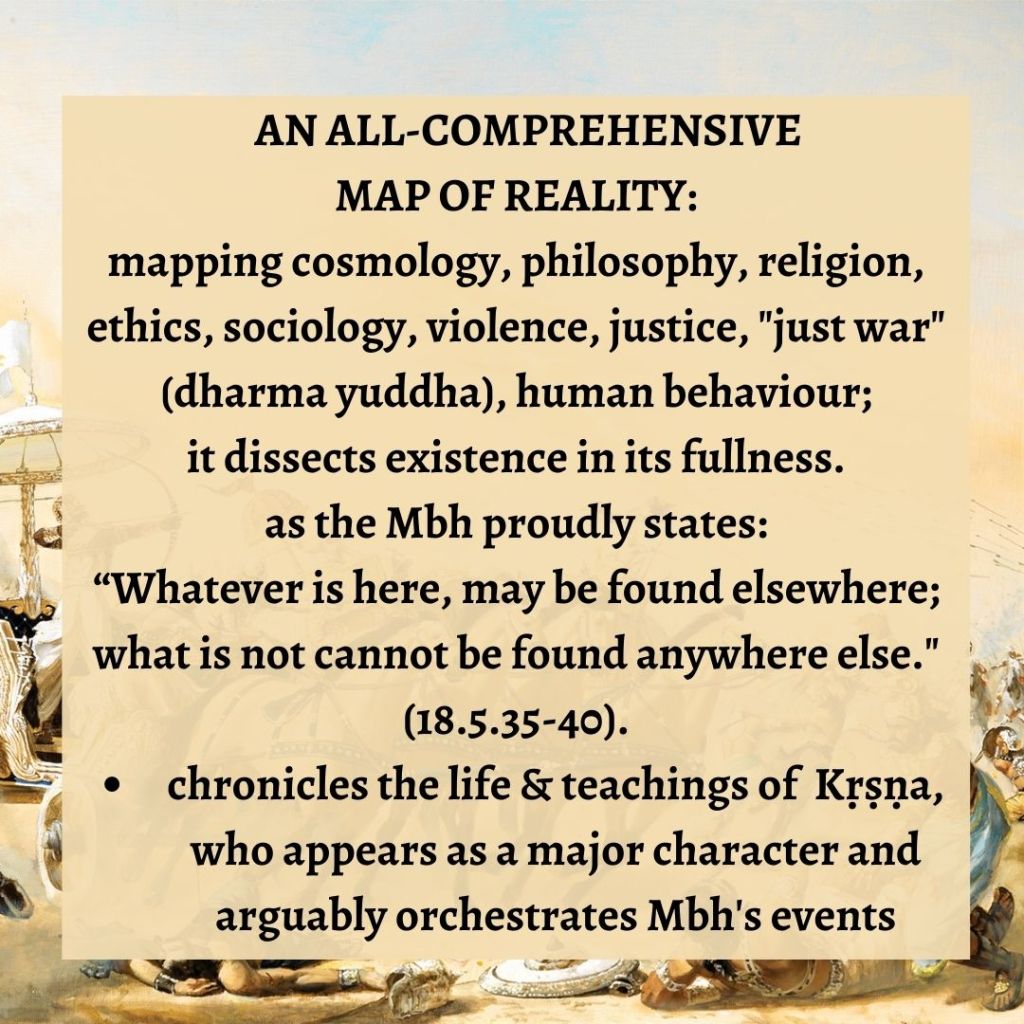
on the other hand, the Mahābhārata in itself proudly states that what you can find in it, you can find anywhere else, but you cannot find anywhere what does not exist in the Mbh; there is nothing that it does not address. in this, it tells us that it contains all answers and questions we can have – albeit in a very abstract and cryptic manner. for instance, it contains futuristic themes (for its time of creation), such as IVF and AI, and it addresses themes which are very relevant to the present day: religious violence, women’s rights, ethics. it answers to all questions we can have about the human condition; as although times are ever-changing, the human experience always remains the same, or so i would maintain: the questions we ask ourselves at their core remain the same, although the experience will be manifested or expressed differently at surface level. the Mbh thus contains inexhaustive areas of self-exploration and opportunities to understand ourselves and the world.
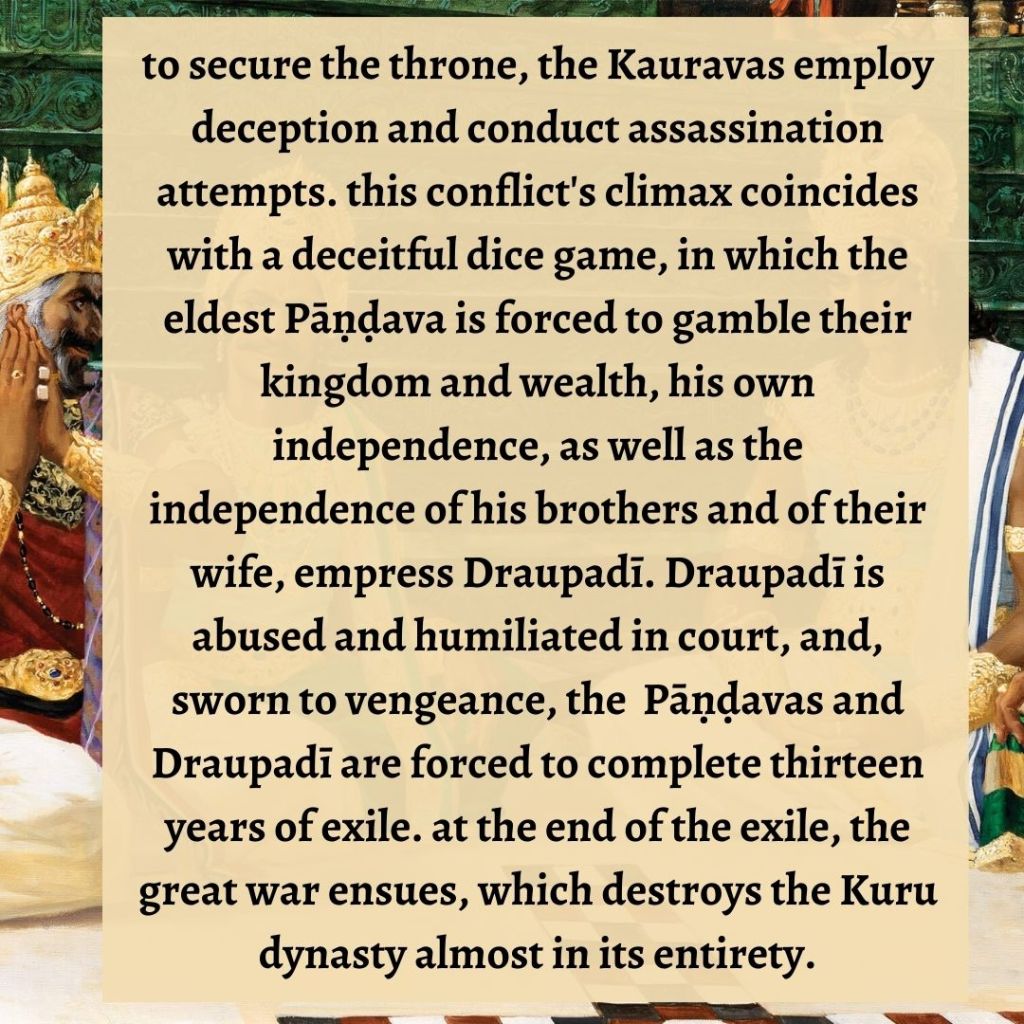
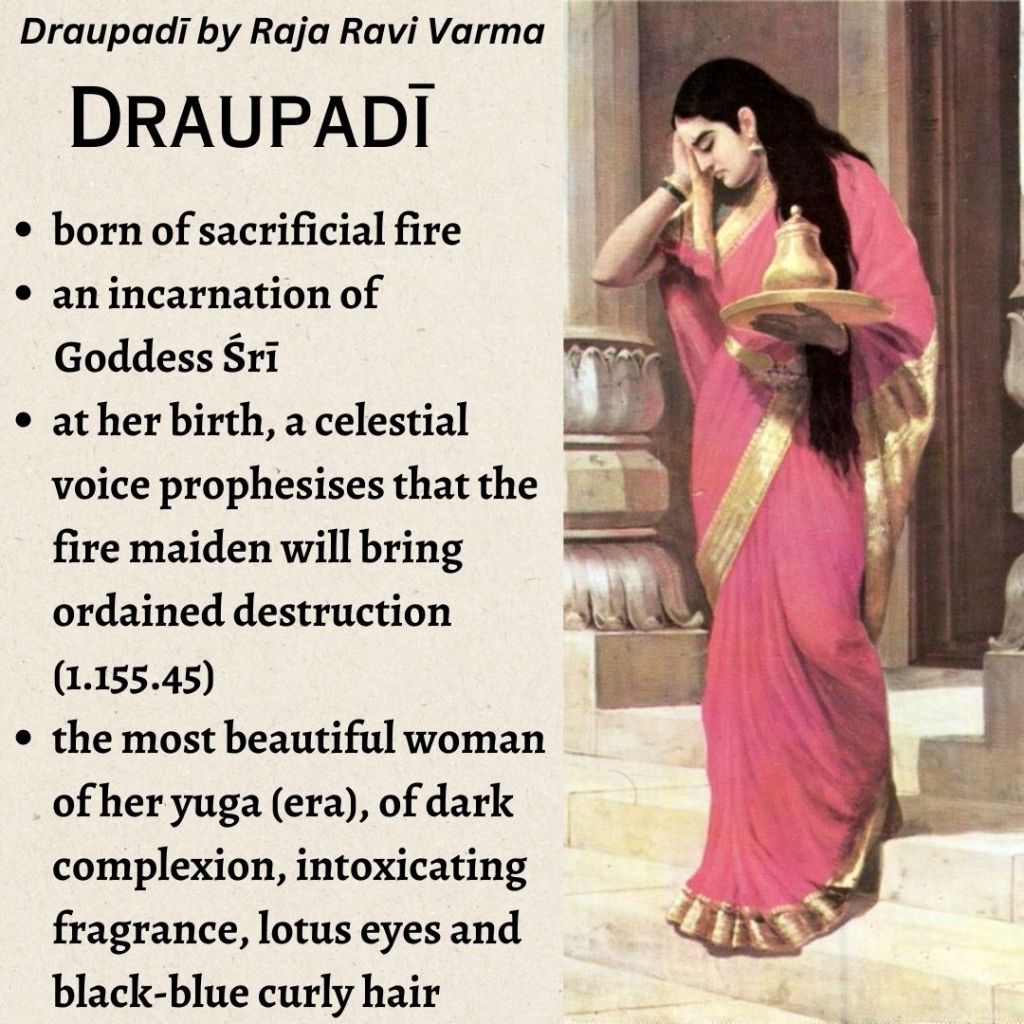
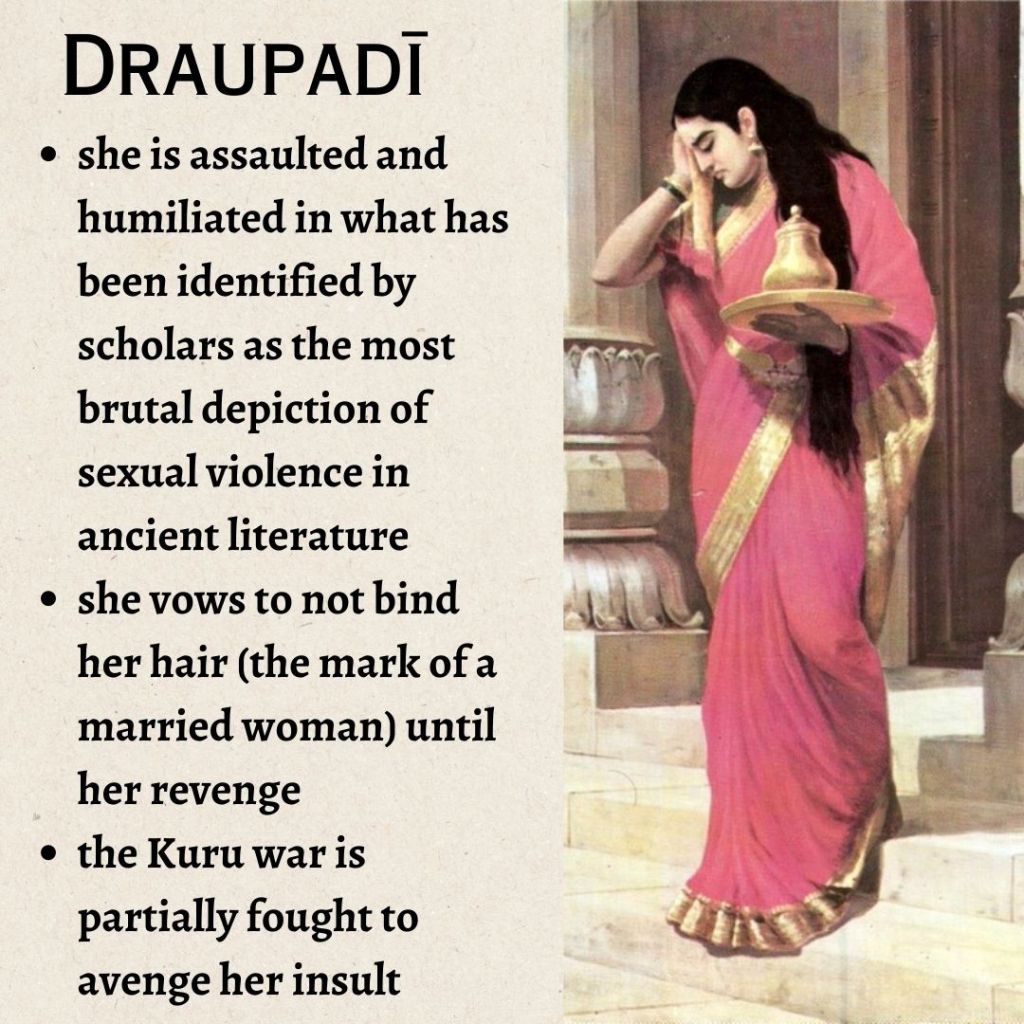
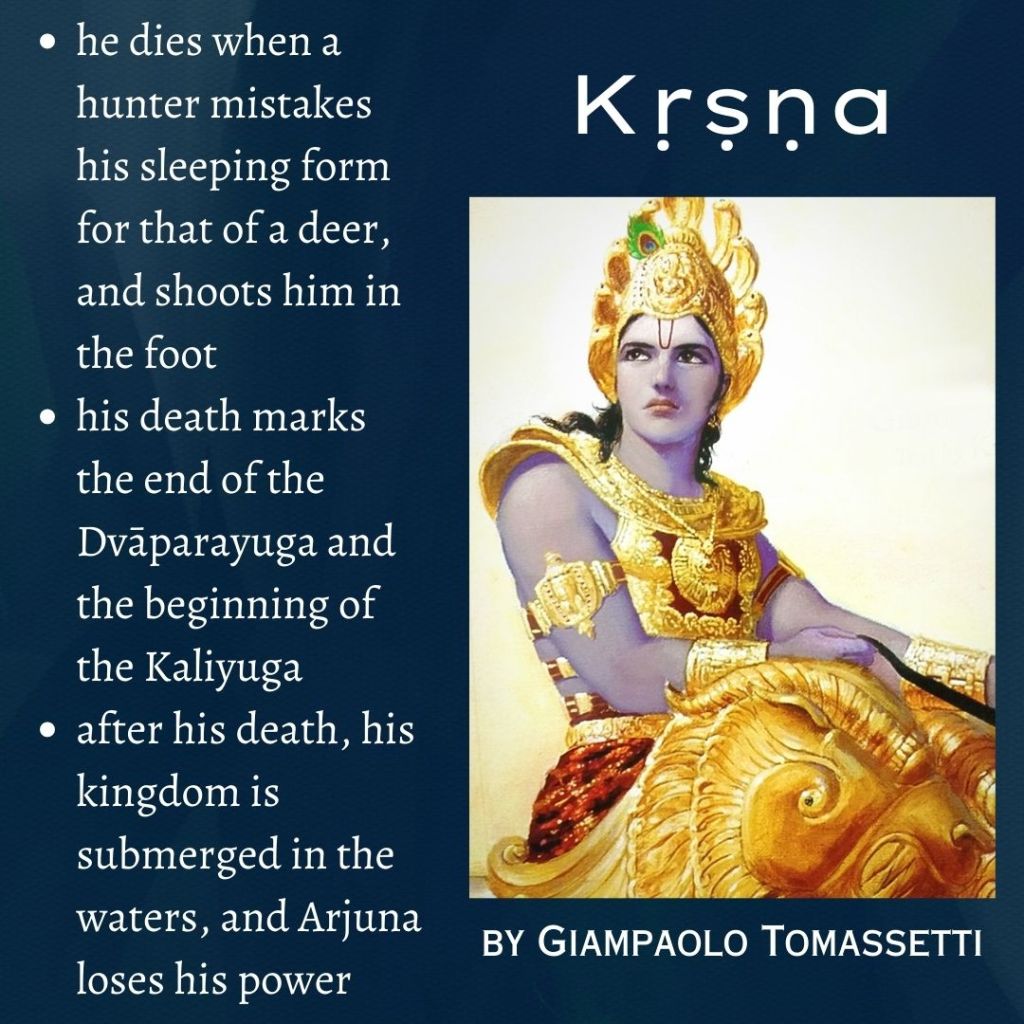
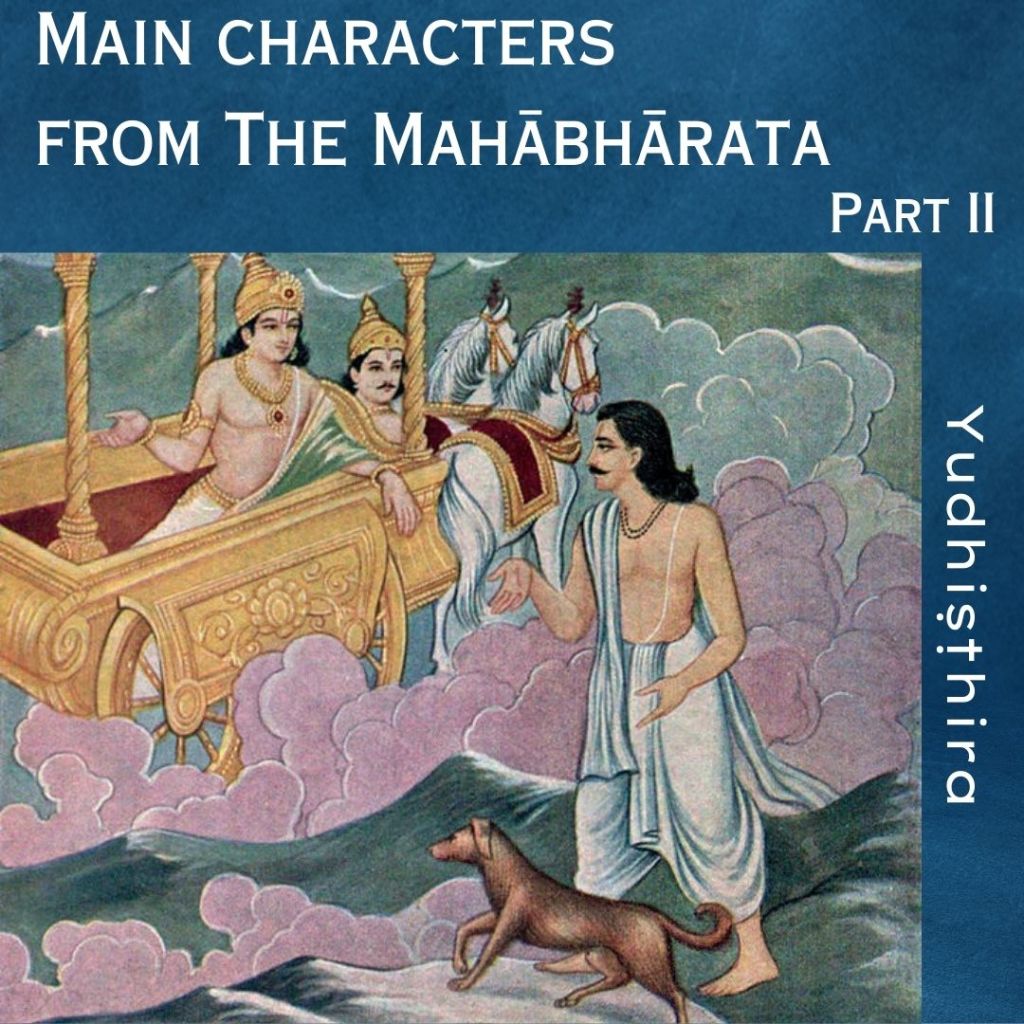
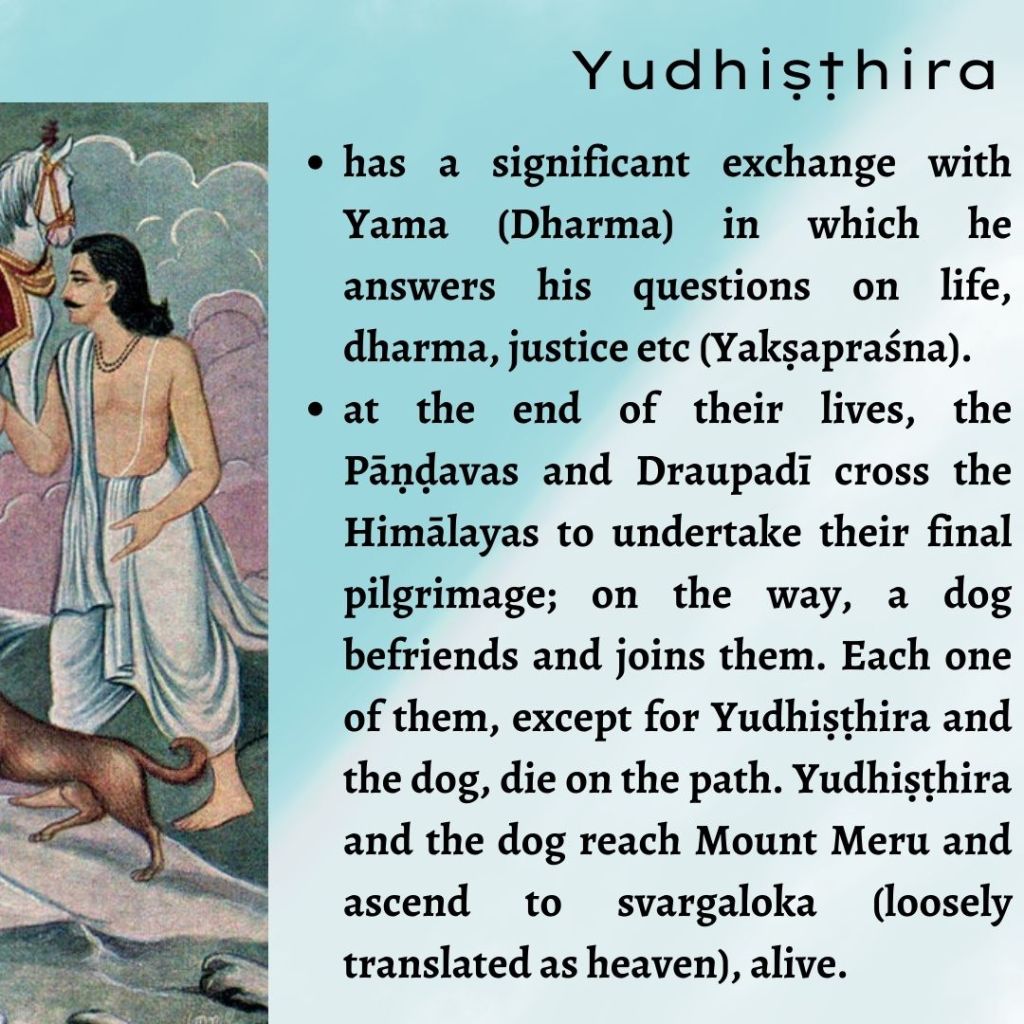
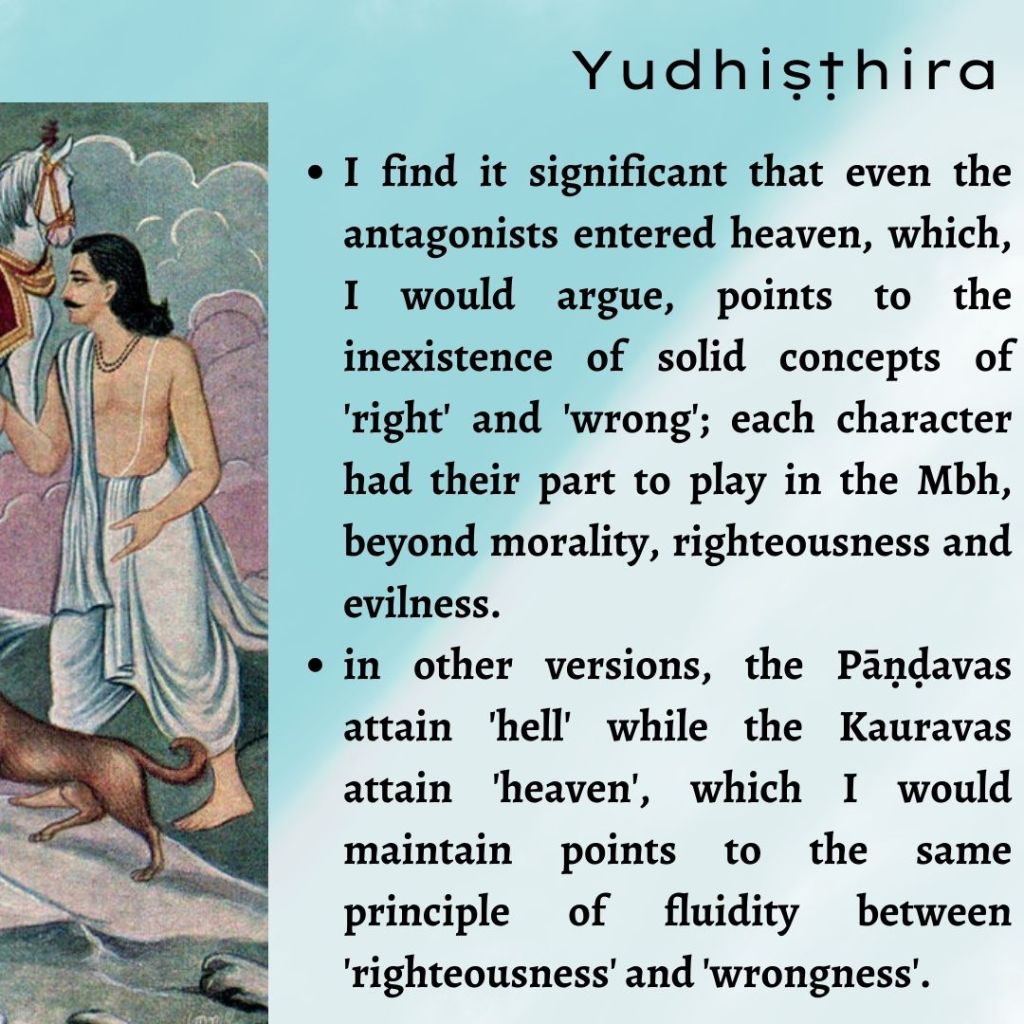
101 on the Mbh – infographics below! (parts 1, 2, 3… of many!)
happy Mahāśivarātri! 🙏 reflecting today on the need to destroy within that which is familiar to be reborn as new. a poem inspired by the homam witnessed at the Chidambaram Temple (pictured):
Agni is starved
mantra pours into the fire ghee pours into the fire milk pours into the fire curd pours into the fire sugar pours into the fire silk pours into the fire
fear pours into the fire past pours into the fire doubt pours into the fire attachment pours into the fire woe pours into the fire ire pours into the fire
Agni licks his lips
quenching the homam within, i wear the embers on my eyelids with each blink i regenerate.
Har Har Mahādeva!
🔱 further context: scholar Richard K. Payne explores homa as symbiosis between fire, the deity invoked in and concomitantly identified with the fire, and with the practitioner, who themselves becomes ‘ritually identified with both the deity and the fire’. in this, the offerings immolated in the fire are connoted with ‘spiritual obstacles that impede the practitioner from full awakening’. most significantly, ‘the practitioner’s own inherent wisdom is identified with the fire, and just as the offerings are transformed and purified, the practitioner’s own spiritual obstacles are, as well’. (2017) Payne interestingly identifies two strains of interpretation of the ritual: first, ‘the yogic interiorization of ritual found in post-Vedic Indian religion, more as a form of esoteric physiology than as a psychologized understanding of visualization’; second, ‘the sexual symbolism’ ‘attached to all aspects of fire rituals’. (2017)
very excited to share the first academic paper of mine that is published in complete form in a peer-reviewed journal! it is entitled ‘The Western Revival of Goddess Worship’ and it has been published in Feminist Theology, volume 31(2).
‘[Western] Women are resisting secularism and are connecting with the transcendental on their own terms, while seeking self-understanding and self-realisation in a gynocentric cosmology. From deifying female sexuality to revering the cosmos as the womb of an all-pervading Mother Goddess, the Goddess Movement encapsulates women’s defiant quest for wholeness.’
i wrote this article two years ago (which is the approximate duration of academic publishing, haha!) during my first MA at Lancaster University, under the supervision of the fantastic Dr. Brian Black, whom i am most grateful to. this paper encapsulates my views at that time, and although my perspectives have become more refined since – both as a scholar and as a practitioner – i remain pleased with this work and i am hopeful that it contributes to the illumination of the phenomenon of religious revival in scholarship. 🙏


















 amaryllis