amaryllis (/ˌæməˈrɪlɪs/[1]) – bears the name of the shepherdess in virgil's pastoral eclogues. it stems from the greek ἀμαρύσσω (amarysso), meaning "to sparkle", and it is rooted in "amarella" for the bitterness of the bulb. the common name, "naked lady", comes from the plant's pattern of flowering that blooms when the foliage dies. in the victorian language of flowers, it means "radiant beauty".
Author: Téa Nicolae
🌸 poetess and scholar 🌸 a Devī-bhakta 🕊
🌙 I wore myself out, looking for myself.
No one could have worked harder to break the code.
I lost myself in myself and found a wine cellar. Nectar, I tell you.
There were jars and jars, and no one to drink it. 🌙 Lallā
at the beginning of my internal journey, i was desperate to find “the real thing”. my thought process was the following: the legacy of colonialism fuelled appropriation in the multicultural spiritual landscape and stripped traditions such as Yoga & Tantra off their complex nuances, which in turn became oversimplified replications of the streams in question, with Tantra bearing the brunt of postcolonial fetishisation and extreme oversexualisation. i was fascinated by the profound non-dual philosophy of Tantra, but i was worried that if i dived into it, i wouldn’t find “the real thing” in terms of practices, teacher and community. and so i read the books, the papers, the testimonies, and made myself lists with boxes to tick off. a list looked like: a well-defined lineage of practices and gurus, classical elements such as rituals, a grounding in an academic background etc… i ensured myself that if the boxes were ticked, i would find the “real thing”. the real Tantra. i would be set. i would find certainty.
yet i’m finding that the only certainty in life is uncertainty. ticking all the boxes i myself have created (in all areas of my life, this does not just apply to spirituality) ensures only the illusion of security. i can never be sure what the real stuff is, and ultimately the only “real thing” i can ever know is my experience. myself.
etymologically, tan-tra (तन्त्र) translates as “expansion-device”. where i’m at in my process is that i’ve stopped asking myself what the “real thing” is outside of me. the real thing is my experience. i don’t need to make sure if the place and the people i choose to be with are the “real thing” as long as i am expanding within. to be completely honest, i don’t care anymore. i am “here”. and i’m having an experience. and if the platform changes and the people go, i am still “here”, within myself, in my experience.
similarly, if i do not expand, i don’t need to stay where i think “the real thing” is just because i have convinced myself or logically reasoned through deductions that it was * it * – or was told was it.
so is there a real Tantra? a fake Tantra? perhaps. perhaps not. i don’t know. perhaps that’s the wrong question to ask. perhaps there is no answer – or if it is, it won’t come through logic or ticking appearance boxes.
perhaps when experience prevails, there is no need to ask this question or to differentiate between what could be real or what could be fake.
one certain thing is, i know i’m tired of doing anything else but be in my own experience. and… you’ll know if you are expanding.
slighting bhakti poetry, the poems belonging to the “of jumbled warmth” section of ~ songs of youth ~ are poems i wrote which would most closely resemble what would be known as poems of love. sharing the ending stanzas of “you said you loved me accusatorily” from verona, the city of love!
*when i mused something similar, my very wise friend @flagrantambiguity noted that all poetry is love poetry in essence, only not in the customary way we think about love – which i *love*-d 🫀😁 because, indeed, to write a poem about something implies devotion to it – be it devotion to anger, grief or hatred. (my take!)
In the recent months, I have been deeply reflecting on independence and personal power, and the reflections that I am sharing in this article are emergent from interactions with friends, from browsing social media trends, as well as from contemplations on my own journey.
What I’ve become familiar with, within and without, is recognising fear: the fear to stand on one’s own, in full autonomy and independence, which, I find, stems from deeper, more rooted fears of our own incompetence; fears of something just not being quite right with us.
I have observed, within and without, how, controlled by fears, we shy away from paving our path by ourselves, and fall into wanting it to be paved for us by an external agent. Insecurity leads us to wanting to be told how to think; how to act; how to be treated; what to aspire for. We desperately want to feel okay within ourselves, so we seek comfort and security in dependence — be it on a person or on a thought process. We conceal our gifts, infantilize ourselves and make ourselves small in exchange for what we think is love.
And, in a desperate quest to, very simply put, not feel awful about ourselves, we seek help: in the work of great thinkers, philosophers, spiritual leaders and mental health coaches. However, what I’m noticing is that, in such fear-based seeking, we don’t even trust ourselves to absorb these thought processes on our own. We rely on others to interpret them, and, in this, we remain even more stuck; dependent on someone, or something, for information, knowledge, comfort; dependent on someone to offer us an experience.
In a paradigm of co-dependency and fear, self-help and coaching businesses, as well as pop-psychology thrive. I want to underline that I find nothing wrong with either, and consider them to be essential in the great design, as well as helpful on an individual to individual basis. However, in my view, there is a worrisome element to the structure of these businesses as they prevail on social media, and it is this very element that enables much of our mental dependence: which is that, in an effort to appeal to the masses (which, again, is a logical and natural goal to have in the context of sustaining business), pop psychologists, health coaches distil the knowledge of great thinkers in consumable bites: rephrasing, extracting, simplifying, sometimes even appropriating without reference. So much is lost in this; we end up engaging with pruned versions of philosophies and pruned truths which only give a taste of the encompassing worldview we want to grasp and embody; we don’t enter that door of perception, we only hang at the frame. Our fears and mistrust in ourselves, combined with a modern short attention span and desire for quick fixes, provide the perfect context for us to fall before the illusion of knowledge, and not before the knowledge itself, as well as facilitate our dependency on surface-level content for relief, comfort, and insight. We remain alienated from ourselves and cling to external sources (coaches, teachers) in the absence of connection to ourselves and to direct sources of knowledge (which, ultimately, I am learning are our internalisations of our own experience). We end up extolling people and not knowledge, and, in impaired autonomy, remain perpetually unsatisfied, powerless, and stuck in one-dimensional echo-chambers, believing truth is held or experienced outside of ourselves, and can be offered to us by an external force; instead of attained within through our own power — yes, supported, and, yes, with guidance, but not as a passive, powerless actor, but as an active, free agent.
What I personally want to tackle within is dependence, and not trusting myself to pave my own path. After years of remaining stuck in personal mistrust, perpetual insecurity and in the fear of losing myself to myself, what I am coming to see is that it is only by having my own experience of the teachings that I want to follow that I can both understand them and break from my patterns of churn; so, for instance, if I resonate with Marcus Aurelius decreeing ‘no one can keep you from living as your nature requires’ (6.58), what I want to do is, after satisfying my intellectual curiosity by reading and inquiring into this precept, is to followingly FEEL, experience and embody what my nature is;to FEEL what it is to live as is; understand how I cannot be kept from living it; then decide if it’s a precept that I want to live by based on whether it brings most growth to me at this particular point in time. And, revisit, recheck if this remains valid as I move through life — as Aurelius says himself, your nature is of continuous change. Contrarily, what I have done until now is to read and either stop there by assimilating others’ takes without forming my own, or by relying on the experience of an external source / individual to teach me what it is for them to live as nature requires, and build my worldview, mould myself on that. Both approaches have left me powerless, insecure, and ultimately in pain.
I am learning that no intermediary is needed between me and knowledge — between me and understanding myself.
Of course, this does not mean that teachers, mentors, friends and guides are not needed; for me, this understanding, however, implies self-reliance and steadiness in my own knowledge and experience. Why is this important? Because, when these arrive, you will choose to stay at, or to leave a place you are learning in, or to stay with or leave a person you learn from, from a fearless place of autonomy, in which your discernment is not clouded by the fear of being alone. By the fear of being wrong.
I am learning that it is in the absence of fear, hierarchy, and personal gain that knowledge flows most abundantly, a place in which individuals can join each other in complete freedom of being, in mutual respect and openness, with the purpose to enrich each other’s understanding of their own self. A place where you enter and walk away as a captain of your own soul, steering the ship toward yourself.
Concluding this article by reminding myself that it is not enough to peer through the doors of perception, expression so beautifully coined by Aldous Huxley; we must enter.
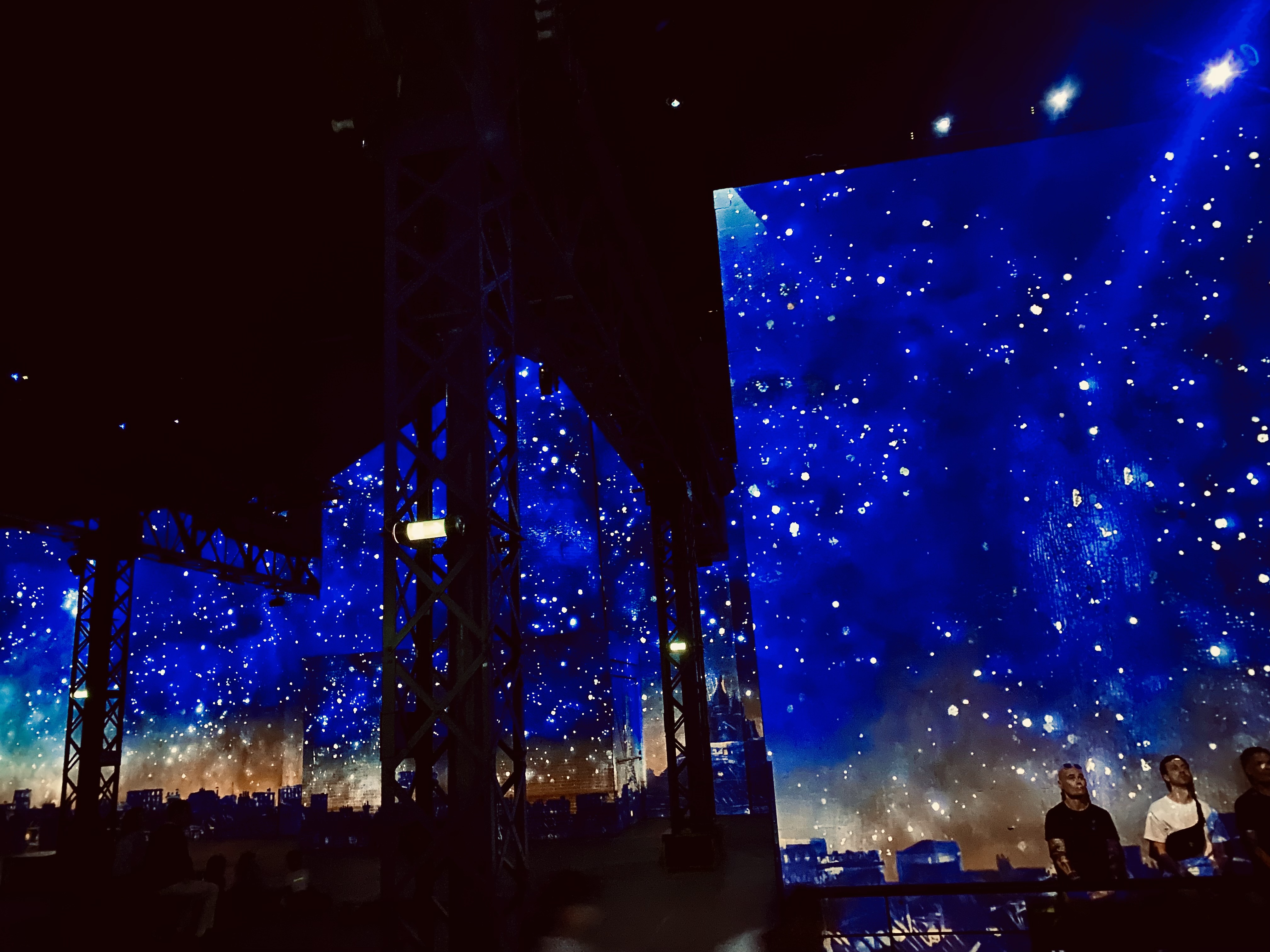
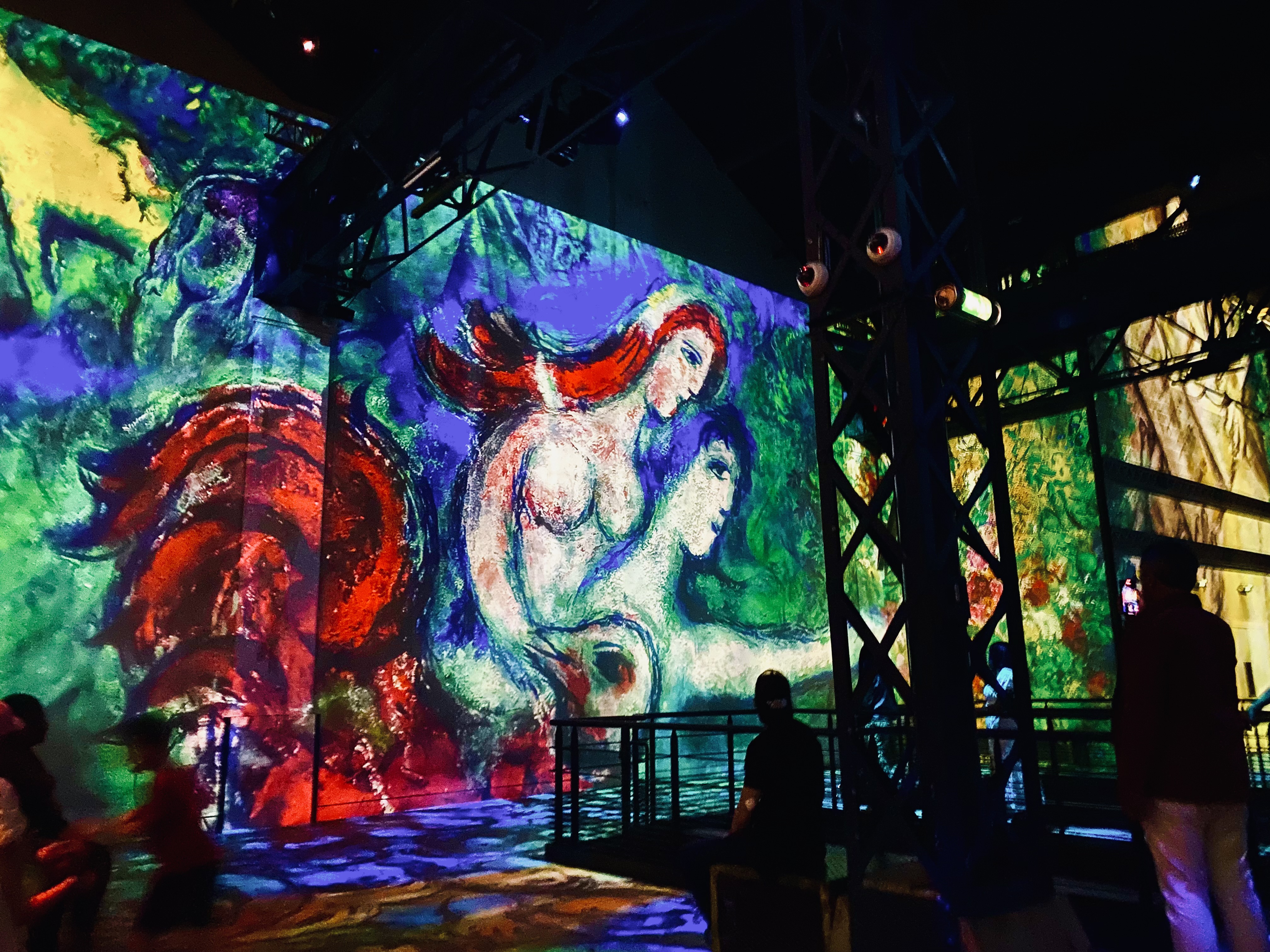
#1: dreamlike to experience l’atelier des lumières! they are showcasing three exhibitions at the moment: Marc Chagall’s “paris-new york”; Paul Klee’s “peindre la musique”; “convergence: sounds and colours” by cityshake.
🌌 Chagall’s wondrous, russian folklore-inspired paintings are displayed on tunes of mostly classical music. the explosion of melded sound-vision coaxed tears, thrill and joy out of me, and it was fascinating to observe how the music manipulated my emotions – and yes, i chose this word very pointedly! by ‘manipulation’ i mean that my processing of the imagery, in the split-second that rested between the display of the paintings and the advent of the music, was often overturned by the music; an image of a woman with braided hair that i first registered as serene rendered me tearful when wrenching music sank in.
🎇 in the second exhibition, which stemmed from the premise of painting the music, the dynamic was overturned; it was the paintings that conferred meaning to the music!
🎆 as for the third exhibition, it was an exploration of synaesthesia (once upon a time, i wrote an article on this!) which invites you to listen to the colours! 🤍 fills one to the core.
the interplay of the senses 😍 would highly recommend a visit here to anyone who finds themselves in paris or in a city where branches of the atelier exist! 🌌
#2: i haven’t visited paris in many years & i’ve been remarking how fresh everything feels, as if i’m here for the very first time! then again, i was thinking to myself that even though the obvious cause-effect correlation would be having not been here in long, still, every place & experience could be fresh & new if i don’t fall in my modus operandi complacency of having been there before, having already seen etc!
there was a beautiful share i saw on here a few weeks ago, about a professor telling his students that even going to the supermarket, if experienced fully “without the goggles of habit and categories”, would make one “go crazy with pure sense and joy”. credit for this: alice in honeyland 🤍
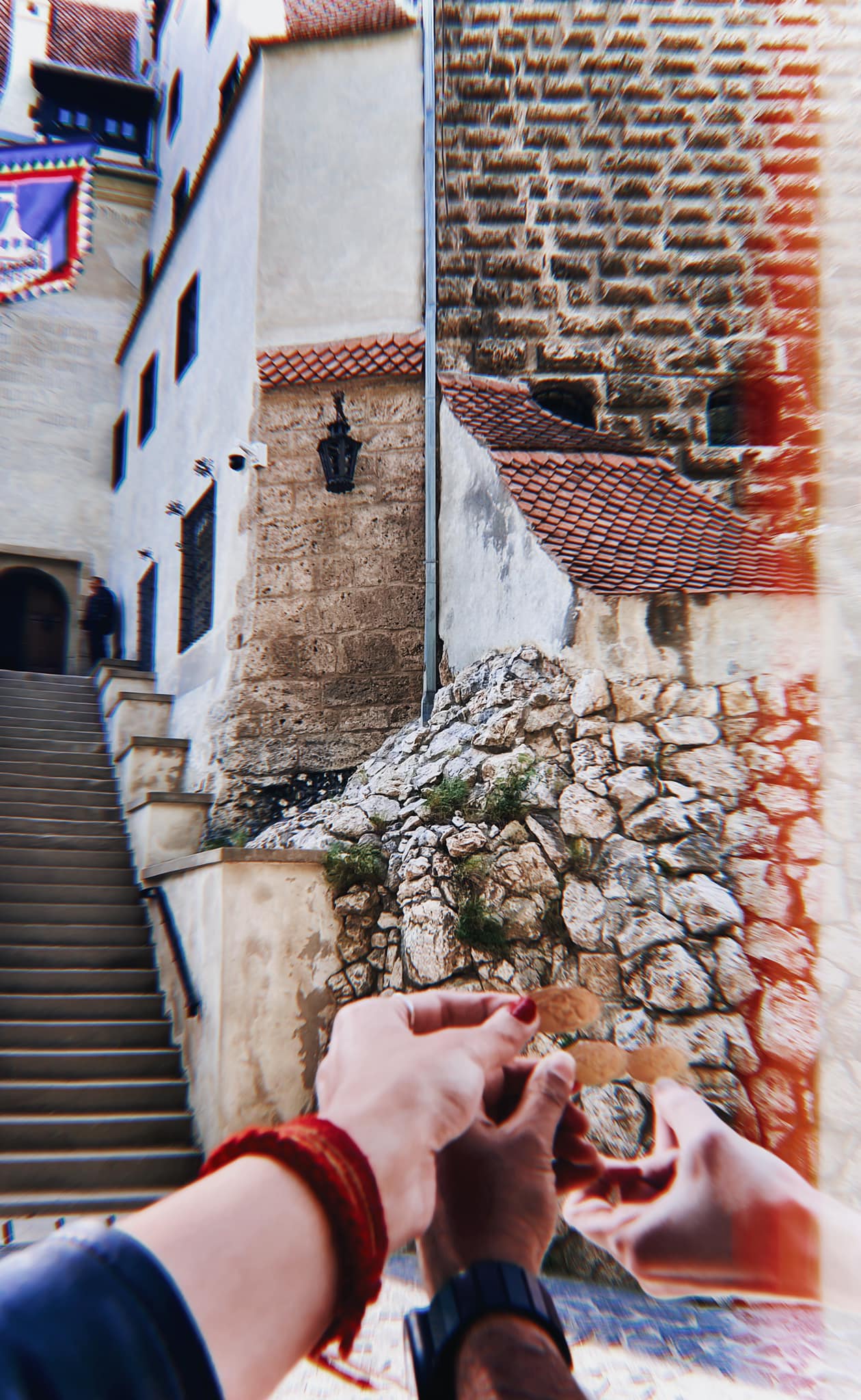
this summer, i had the opportunity to present my beautiful homecountry to two dear friends of mine, and, in this process, to myself experience romania with freshness and openness, and rediscover its magic.
romanian folklore is so incredibly rich, and it has been so profound to experience the stories of mystery and magic that i grew up with in the heart of Transylvania this summer. ielele are my favourite mythical beings from our folklore and i’ve been mesmerised by them since childhood; they are female mythical creatures who dance in forests naked, disheveled, with bells on their ankles, and carrying candles. their dance maddens those who encounter them and the earth on which they dance becomes scorched by the heat dripping from their feet. in the dead of the night, remnants of the tingle of their tunes resound in the forests – heard by those who brave their hearts to listen… 😊
i had a strained connection with my homecountry for a long time, having remained blind to much of its beauty out of my own contractions and feelings of inadequacy emergent from absorbing limited beliefs about my nationality that are sometimes propagated in western europe. however, in the past years i’ve been falling more & more in love: i’ve been falling in love with how alive bucharest comes at night, with how delicious it is to walk with my friends on the streets we used to stumble on our wild escapades in high school, with how melodious our language & music are, with treading the journey from universitate to my place to clear my mind & connect to myself, with how hearty our traditional food is, how mystical and complex the folklore is, how vast and abundant the mountains and forests are – with how there was never a moment in which i was in need in which i did not encounter kindness.
so healing, to let go & see how beautiful it all was, all along.
mândră că-s româncă! ✌️
p.s. how cool was our accommodation in predeal? they’re called the palo cabins and the hosts are truly lovely people. would highly recommend!
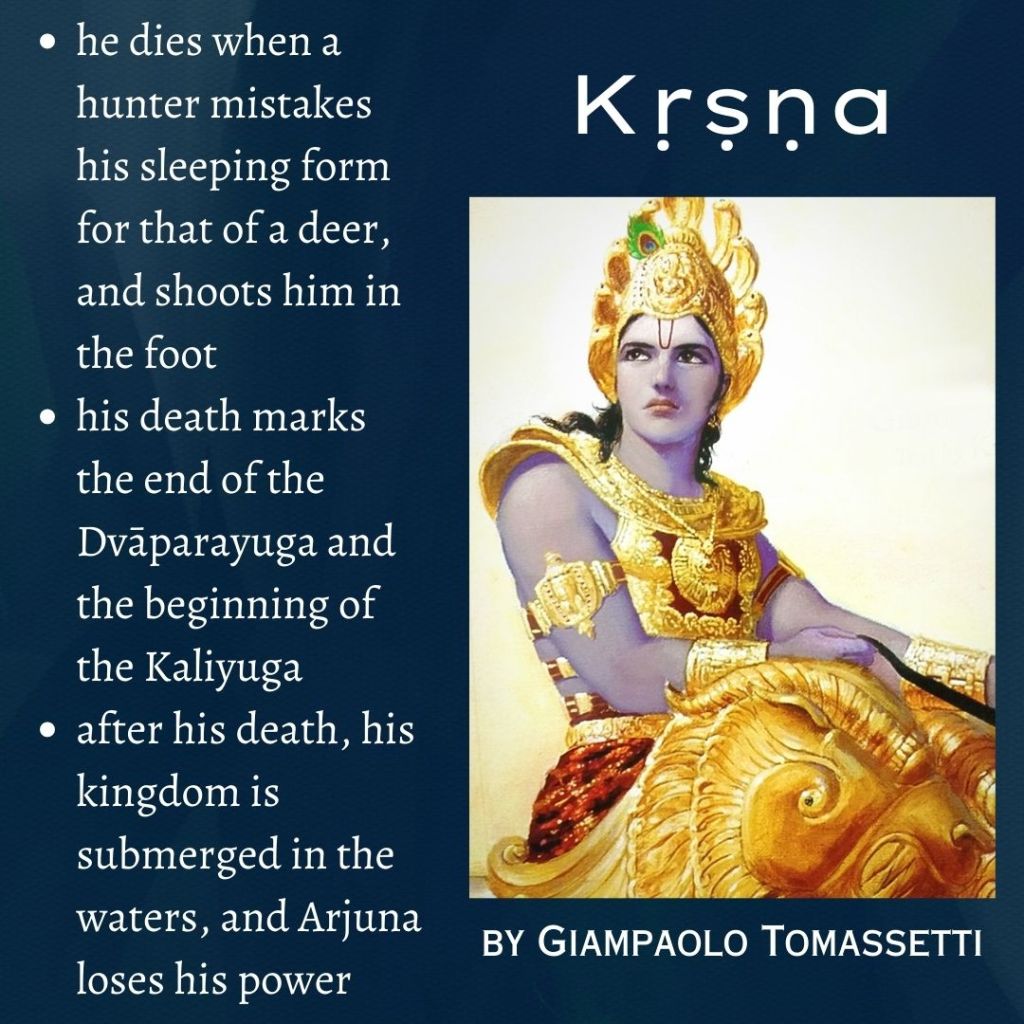
spent today absorbed in the père lachaise cemetery, and one of the things i was struck most by was seeing the many sculptures of female figures towering over tombs: almost all tearful or in distress. it made me think of Strī Parva, “The Book of Women” from the Mahābhārata, which exclusively focuses on portraying women’s grief and tears, who break upon seeing their men & sons slaughtered on the battlefield in the aftermath of the war. one of the distressed female characters, queen Gāndhārī, lashes out at Kṛṣṇa and accuses him of murder, declaring that he could have stopped the war as he is both omniscient & ever-powerful.
Kṛṣṇa rejects her blame and retorts that he cannot override the cosmic laws. he himself is subjected to them; the massacre was ordained, no one is exempt from death, and the cycle of life is definitive.
my understanding of this exchange is: he is not telling her that she should not grieve or that her grief is “wrong”; he merely offers her the opportunity to place it in a larger context and to use her distress to understand deeper herself as well as the web of nature / existence / cosmology. there is no one to blame or resent or victimise; life unfolds as is. and,
even what we understand as ‘negative’ feelings therefore can be utilised as a stimulus for self-reflection. i myself have spent a lot of time simmering in grief without considering what it could teach me, so this particular scene is very profound for me.
and, how beautiful is Kṛṣṇa’s revelation that he himself is subjected to the cosmic laws once incarnated! will elaborate on this in a future article or post 😊
*my retelling of this dialogue is not based exclusively on the critical edition but also on its variations, as this is one of the instances in which i find referring to multi-versions valuable.
photos: some of my favourite sculptures seen in the cemetery!
age 16, teenage angst-ing in london. taken on an evening i wrote about in my songs of youth.
“on one cold night in london / i sat beneath the twinkling lights / and i thought i knew who i was (..).”
then: i was in london for a summer course at goldsmiths, the university where my amore brian molko studied drama. i was in a transformative period of turmoil, which i later unpacked in a few articles published that year. yet, back then, i did not write much about the giddiness of it, which i want to highlight today: the giddiness of being a besotted schoolgirl, daydreaming between classes of the life her favourite rockstar lived in those university halls. wrapped up in mind twirls, i would wonder,
did he experience the delicious mix between ache & thrill that i was experiencing? did he wander the streets at night like i did, finding solace in the graffiti splashed upon walls? did he understand the sadness in him in ways i did not understand the sadness in me?
every night, i listened to him sing: “i am weightless / i am bare / i am faithless / i am scared” & “wrapped in lust and lunacy / tiny touch of jealousy / these bonds are shackle free” and i felt a desperate want to express the workings of my mind the way he did. to live vicariously, to share vicariously. to be alive, and sad, and jolly, and love and hurt.
i will only translate the ending, as i feel distanced from it – in all the ‘good’ ways. it sometimes makes me uncomfortable to read past works in which i was so open, but overall i am proud of my teen self for expressing herself fully and not sugar coating her experience.
“when the sun rose, i was leaning against the window of my dorm room, with my hair dyed green, with smudged eyeliner and one broken nail. with lady of the flowers on repeat. black sessions, 1997. brian began the set with a poem he only recited that year:
Lady of the flowers, they’ve been dead for hours. Interflora (..)
recommendations for abridged and unabridged translations of the Mahābhārata, as well as reading and referencing tips 🤍.
to reiterate the last point i made in my video first, i would like to accentuate that those of us who rely on translations and are inhibited by the language barrier are already working with a diluted version of the Mbh; it is for this reason that it is exceptionally important to work with the best and most authentic translation that is accessible for us, especially if we are scholars. in this, we can ensure that we are not perpetuating any misunderstanding or false information in the world. 🤍
🔱 unabridged translations:
🔱 for the first five parvas – J. A. B. van Buitenen | for the remaining books of war – Clay Sanskrit Library | these are exquisite, elegant, all-encompassing, and delicious works of translation.
additionally, i use the abridged translation created by John D. Smith and published by Penguin Classics as a handbook or manual to find my way through the unabridged versions when i write papers. this is extremely efficient for referencing – a compass or map to guide you through the verses. i expand on this in the video, and will additionally create a separate video about how to reference the Mbh.
🔱 the recommendations i have shared have been given to me by my amazing MA supervisor from Lancaster University, Dr. Brian Black, who instilled within me the love for the Mahābhārata in academia, and supported me through my research and my PhD application process. in my opinion, he is one of the most dedicated and passionate contemporary researchers of the Mbh, and i am most grateful to him. his book, ‘In Dialogue with the Mahābhārata’, is a fantastic work of research. read more here: https://www.routledge.com/In…/Black/p/book/9780367547271
🔱 TIPS: for those unfamiliar with this epic, i would recommend they begin with an abridged retelling. note: a retelling, and not a translation (John D. Smith’s abridged work would be considered a translation as it follows the epic poem verse by verse). retellings are easier to digest! the Mbh is vast and can be overwhelming, so use the retellings to
familiarise yourself with the characters and with their narrative arcs, and, when you feel familiar enough with the Mbh’s universe, move onto the unabridged versions.
please be aware that, due to the nature of reproducing an epic poem in prose, most retellings include errors, omissions or interpolations. hold these lightly while you read through and also hold in your awareness that the author might have taken many liberties. use the unabridged versions to correct and reorientate yourself within the universe. this is how i started my own journey with it 😊
demonstrating how to reference the Mbh
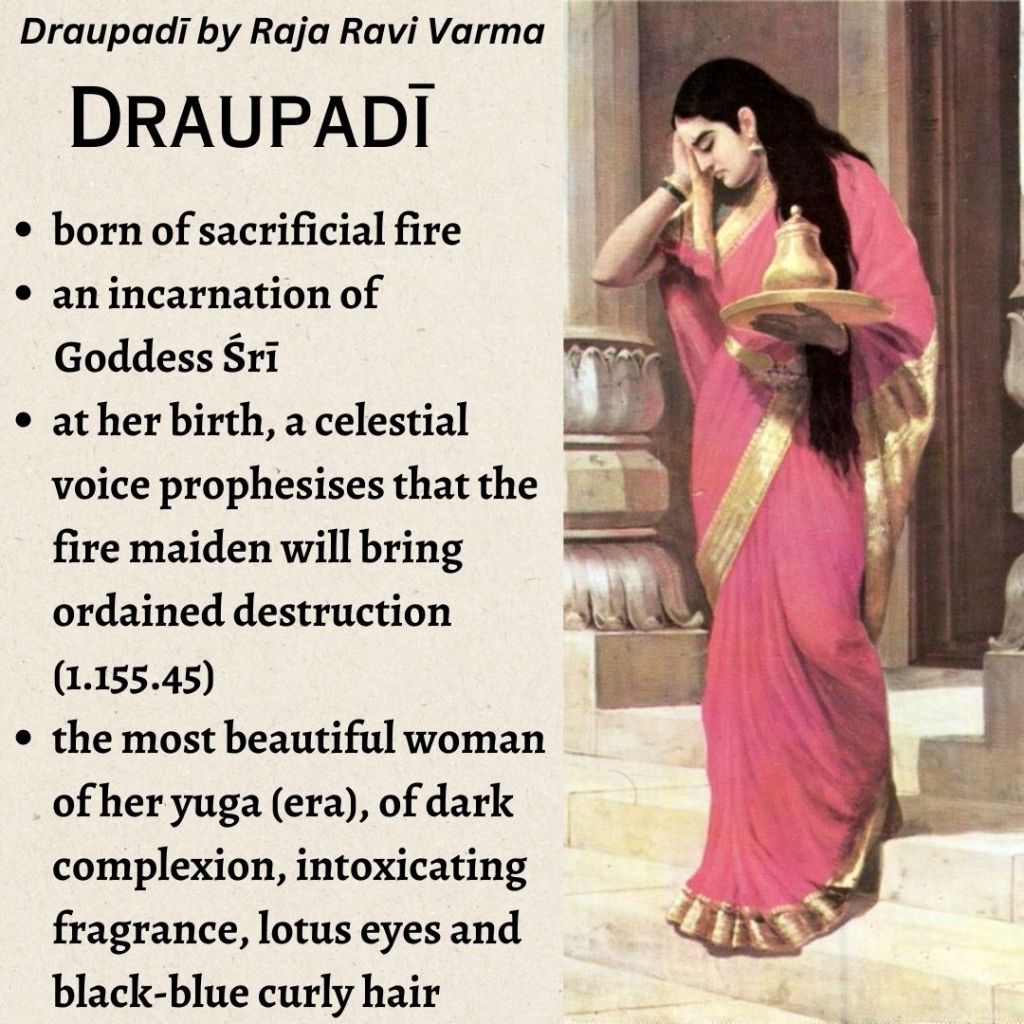
a thorough Mahābhārata reference consists of three parts: the number of the parva in which the event in question takes place in, the number of its corresponding verse, and the number of the secondary verse. in have created a video in which i am demonstrating how to most efficiently reference the Mbh by utilising the abridged and unabridged translations with the example of Draupadī’s birth from fire (1.155.45).
note the difference in detailed expansion between the two versions, and the importance of continuously referring to the unabridged translations:
abridged: “A beautiful, dark girl emerged from the altar, and the voice proclaimed that she was destined to accomplish the purpose of the Gods by annihilating the Kṣatriyas. [She was] named Kṛṣṇā (Draupadī).”
*Kṛṣṇā means She of Dark Complexion.
unabridged: “Thereupon a young maiden arose from the center of the altar, the well-favored and beautiful Daughter of the Pañcālas, heart-fetching, with a waist shaped like an altar. She was dark, with eyes like lotus petals, her hair glossy black and curling – a lovely Goddess who had chosen a human form. The fragrance of blue lotuses waited from her to the distance of a league, the shape she bore was magnificent, and no one was her peer on earth. And over the full-hipped maiden as soon as she was born the disembodied voice spoke: ‘Superb among women, the Dark Woman shall lead the Kṣatriyas to their doom. The fair-waisted maiden shall in time accomplish the purpose of the Gods, and because of her, great danger shall arise for the Kṣatriyas.’ Hearing this, all the Pañcālas roared like a pride of lions and earth was unable to hold them so full of joy”.
this might seem as an over-scholarly topic, but much of the written material you are going to encounter on the Mbh will include this, and i find it relevant to have a framework for it. 🤍
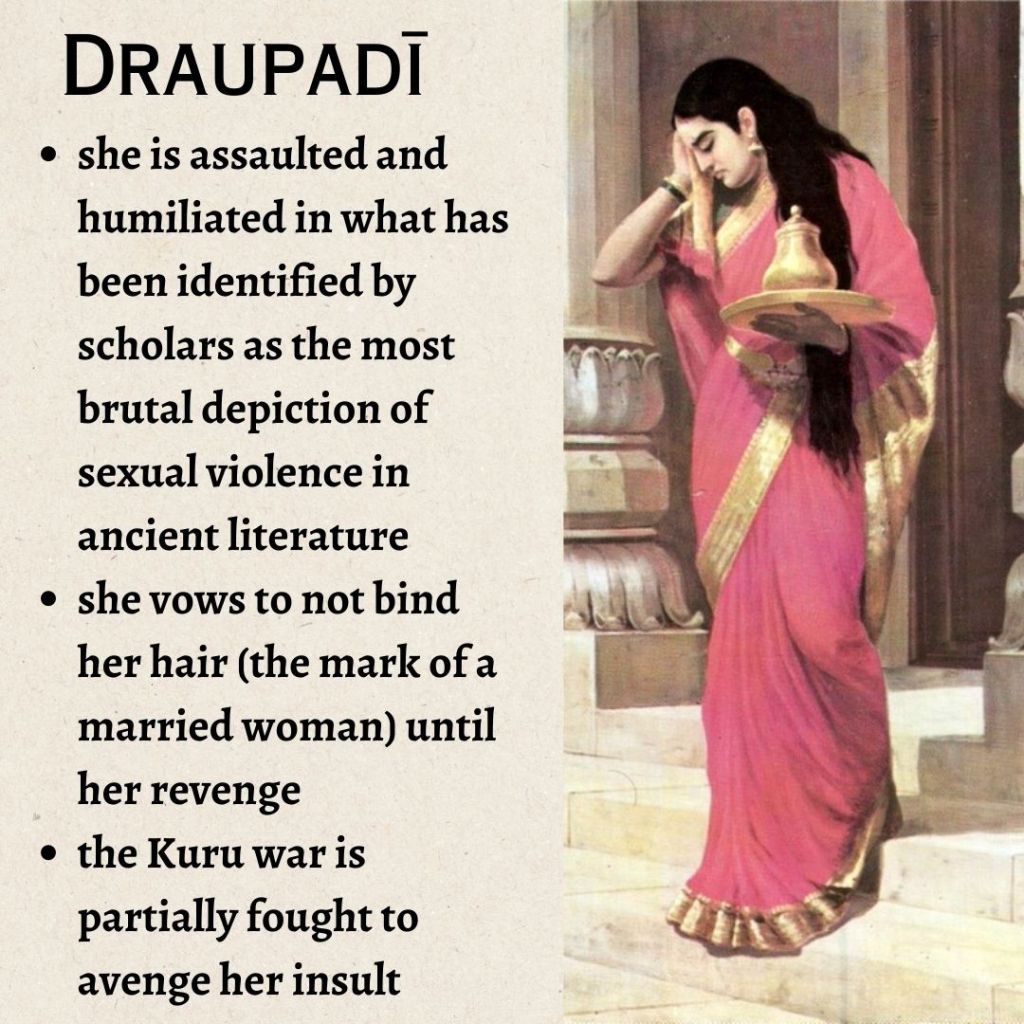
The Mahābhārata is a love of my life, and one of my main research interests – as well as the subject matter of my upcoming PhD thesis! for awhile now, i have been reflecting on how to meaningfully share about the Mbh on my social media platforms. generally, i would say that there are two main approaches to the Mbh in contemporary discourse: one is the academic and scholarly approach, which, although i both adore and adhere to, i find to be largely inaccessible and limited to the academic niche. the second, which seeps more into contemporary discourse, i find to be a moralistic, religious outlook. although i consider both approaches to be valid and needed in society, i believe that what is missing is more intimate, personal sharing about the Mbh. i, for one, am not in love with the Mbh purely out of intellectual curiosity. for me, The Mahābhārata is alive; it exists within me and within the collective consciousness as a mirror to our own thought processes and individual universes. i would therefore like to challenge myself past my usual scholarly approach and share earnestly about what it means for me to immerse myself in this marvellous epic. for instance, what does it mean for me as a modern woman to read about Draupadī’s disrobing; how can i understand myself better through her character?
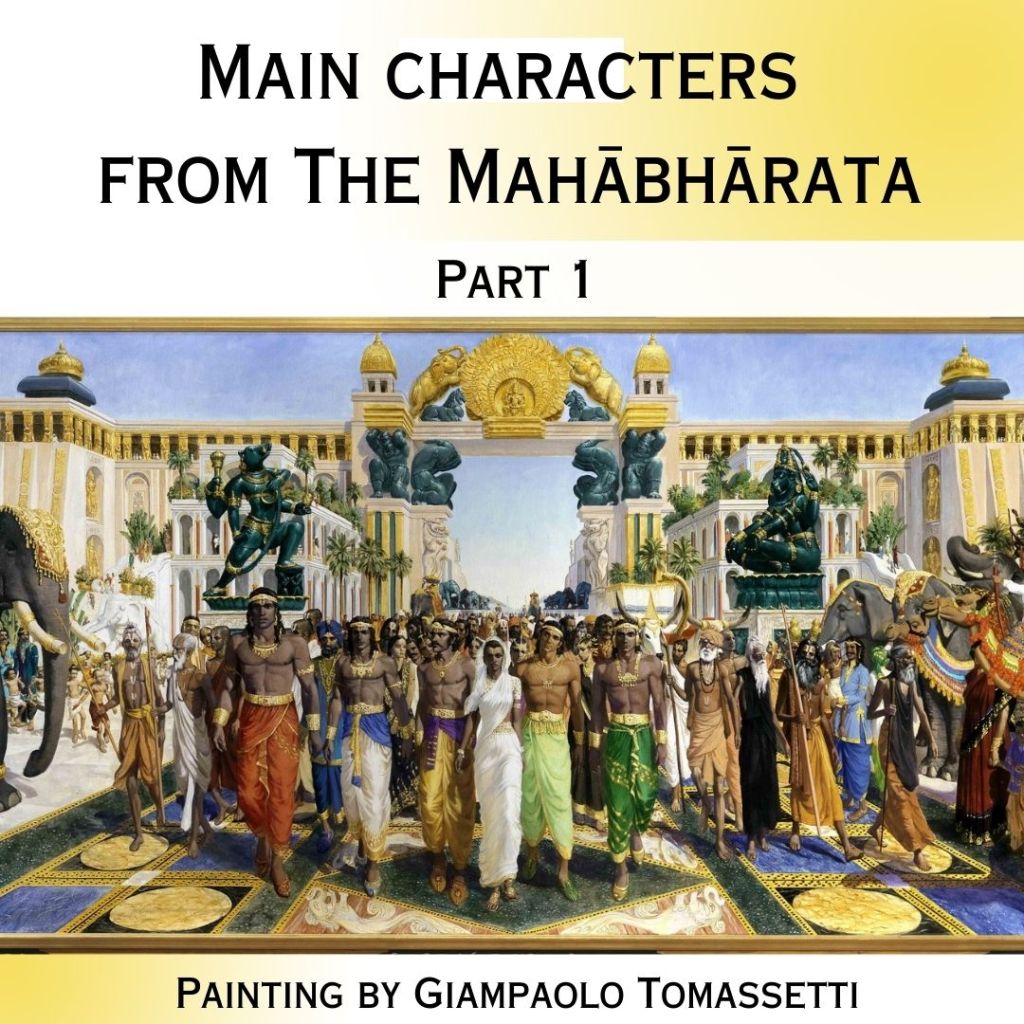
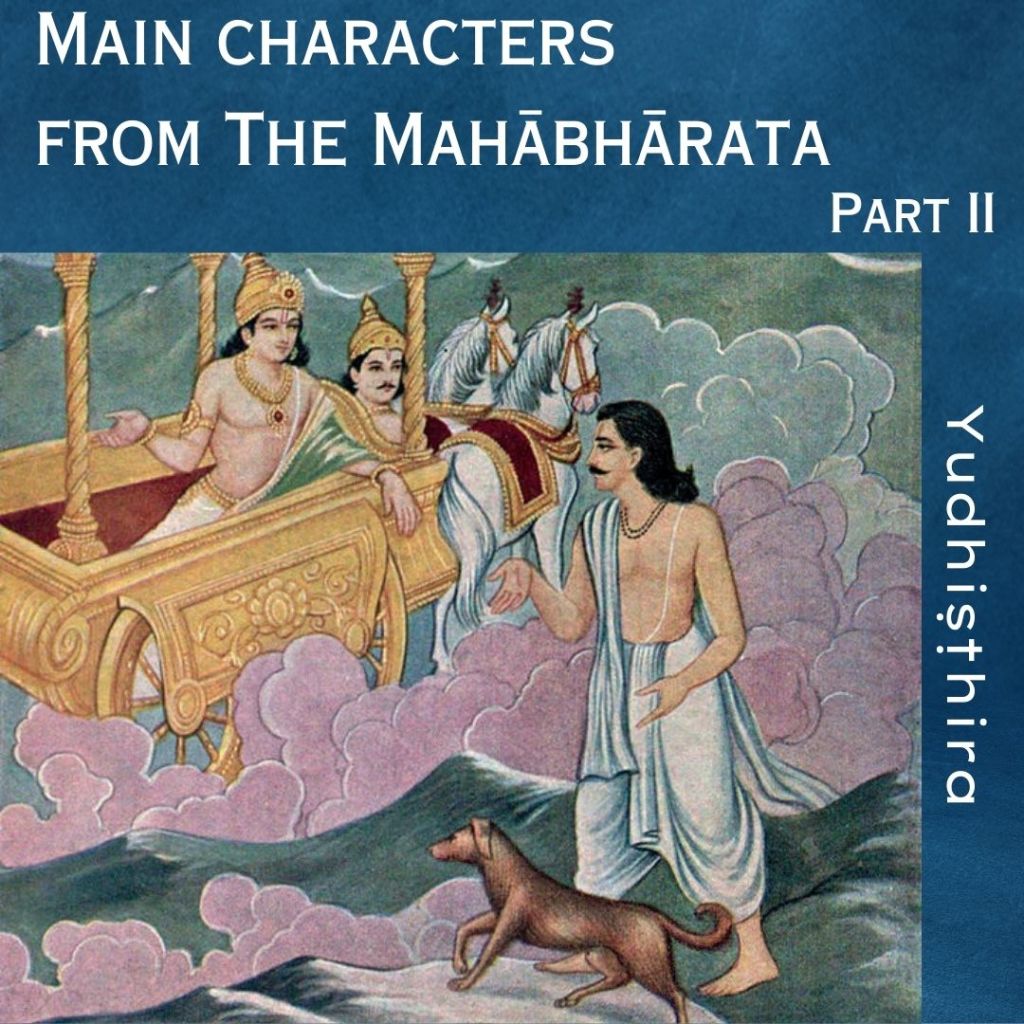
to ground these discussions more, i will create infographics about the plot, the historical context & main characters (created more out of love for the Mbh than for these discussions, to be honest!).
very excited for this and am looking forward to establishing myself further in the epic’s framework through this interactive approach!
to begin with,
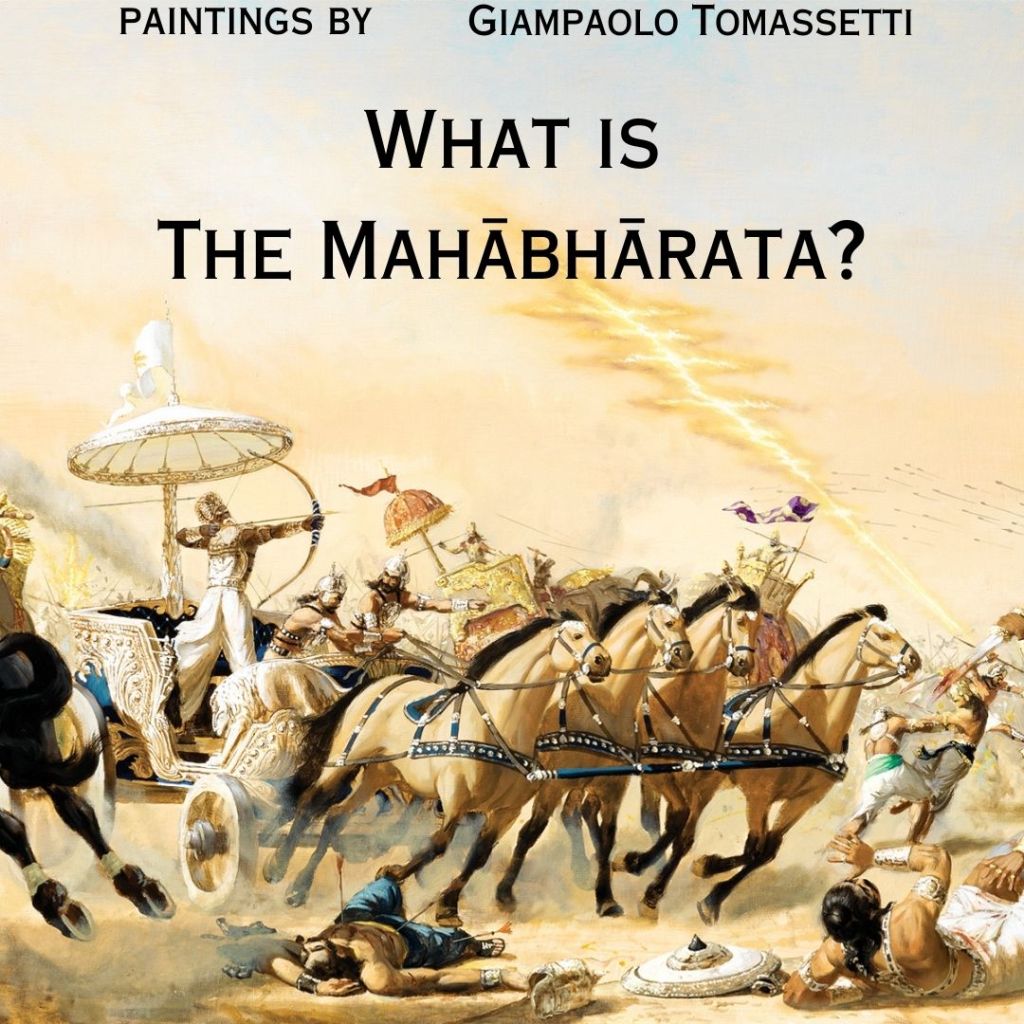
WHY THE MAHĀBHĀRATA?
a question any scholar should ask themselves, i would argue, is why? why is my research relevant, why should i conduct this research in the first place, and how can it answer to questions of the present?
today, i am going to answer to this question with regards to the Mahābhārata. why should we care about an ancient epic poem? first of all, because the Mbh is not a dead, lifeless piece of literature. i would argue, and this is one of the main claims i will construct in my phd thesis, that the Mbh is ever-fluid and ever-changing. throughout centuries, there have been countless of retellings of the epic, each bearing differences, interpolations. does this mean that they are invalid? i would maintain that they are very much valid, and the continuous changes shaping and re-shaping the epic come as a result of its aliveness: it is alive, pulsing in the collective consciousness. in this full aliveness, the Mbh is moulded by society and culture as they evolve, acting as a mirror.
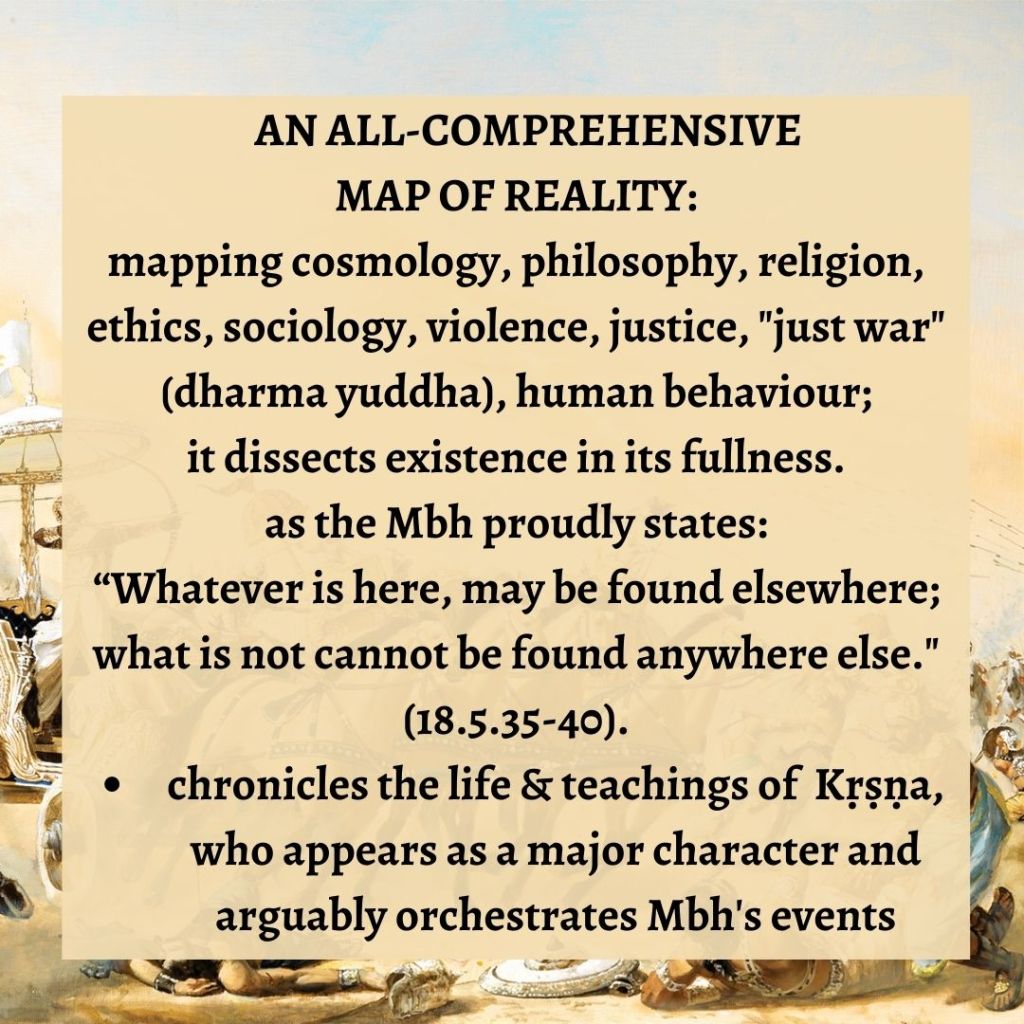
on the other hand, the Mahābhārata in itself proudly states that what you can find in it, you can find anywhere else, but you cannot find anywhere what does not exist in the Mbh; there is nothing that it does not address. in this, it tells us that it contains all answers and questions we can have – albeit in a very abstract and cryptic manner. for instance, it contains futuristic themes (for its time of creation), such as IVF and AI, and it addresses themes which are very relevant to the present day: religious violence, women’s rights, ethics. it answers to all questions we can have about the human condition; as although times are ever-changing, the human experience always remains the same, or so i would maintain: the questions we ask ourselves at their core remain the same, although the experience will be manifested or expressed differently at surface level. the Mbh thus contains inexhaustive areas of self-exploration and opportunities to understand ourselves and the world.
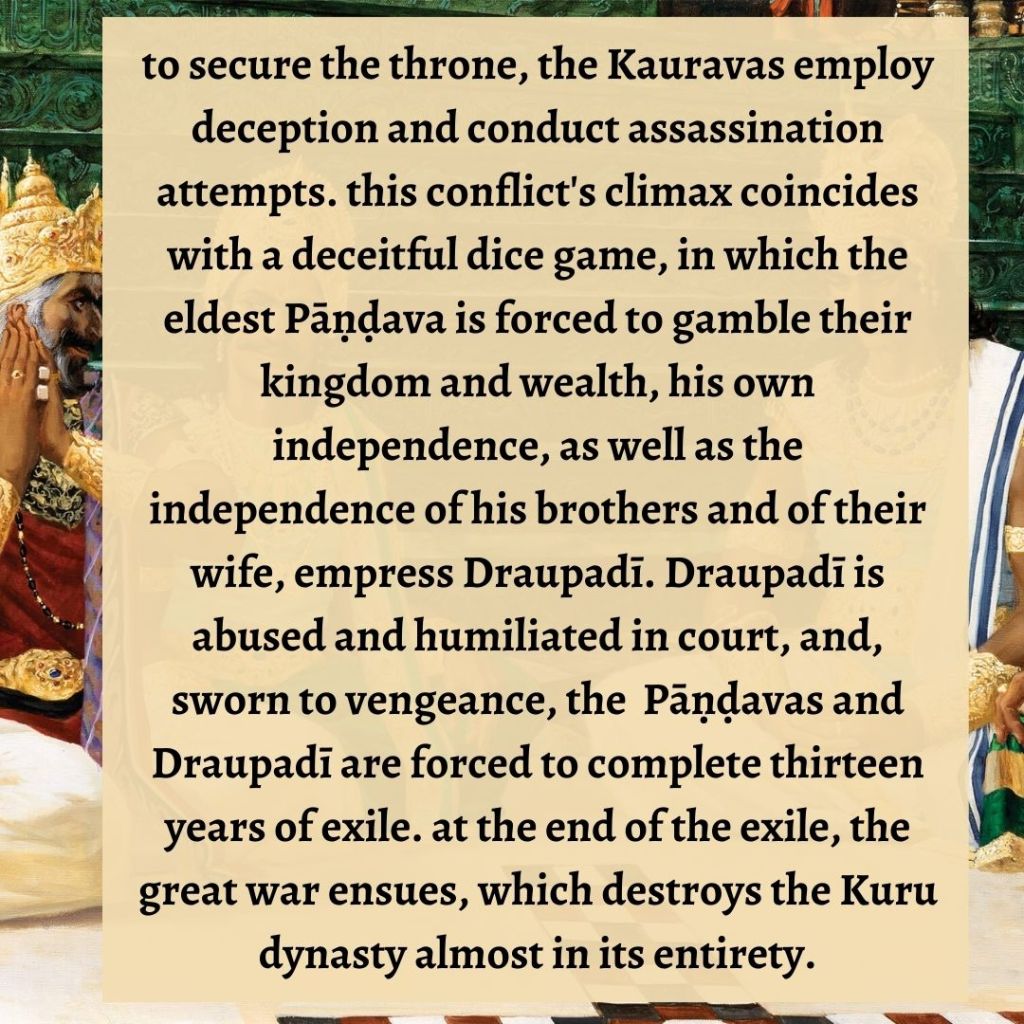
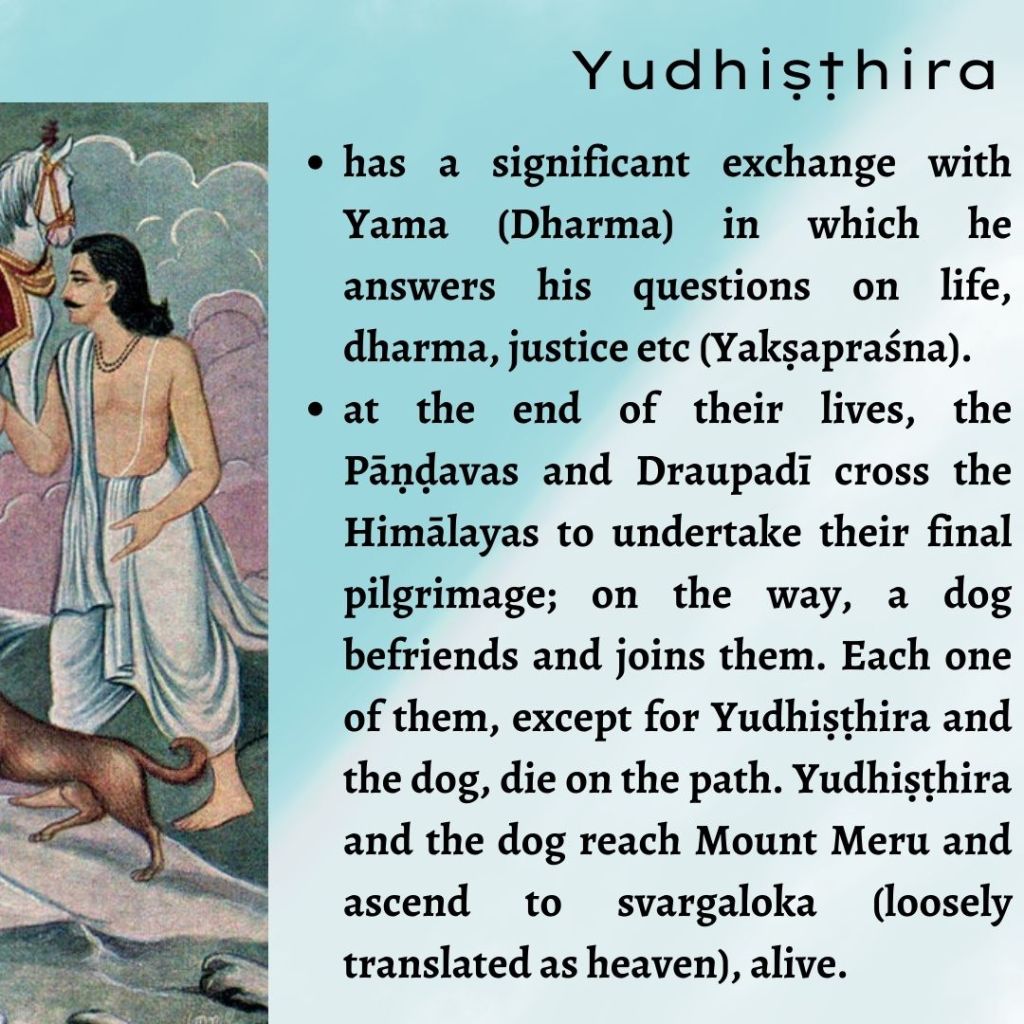
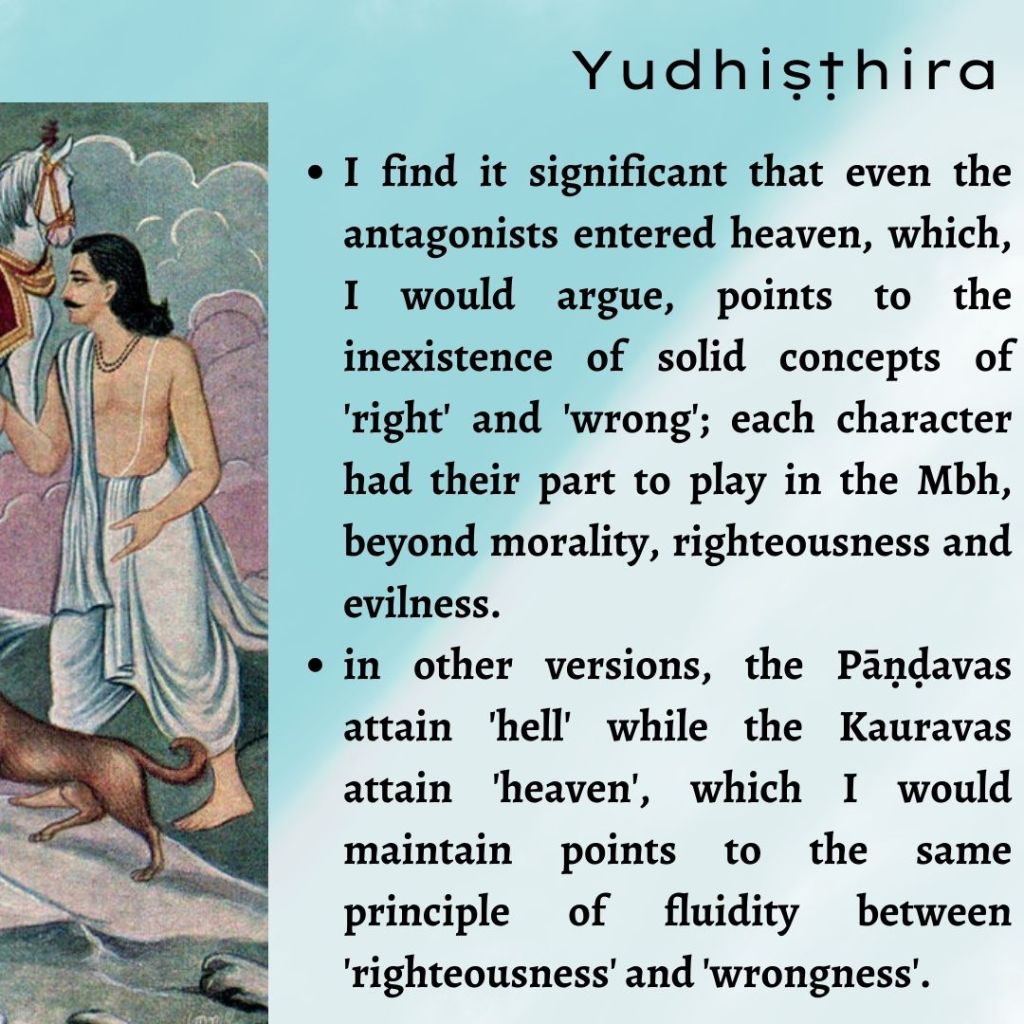
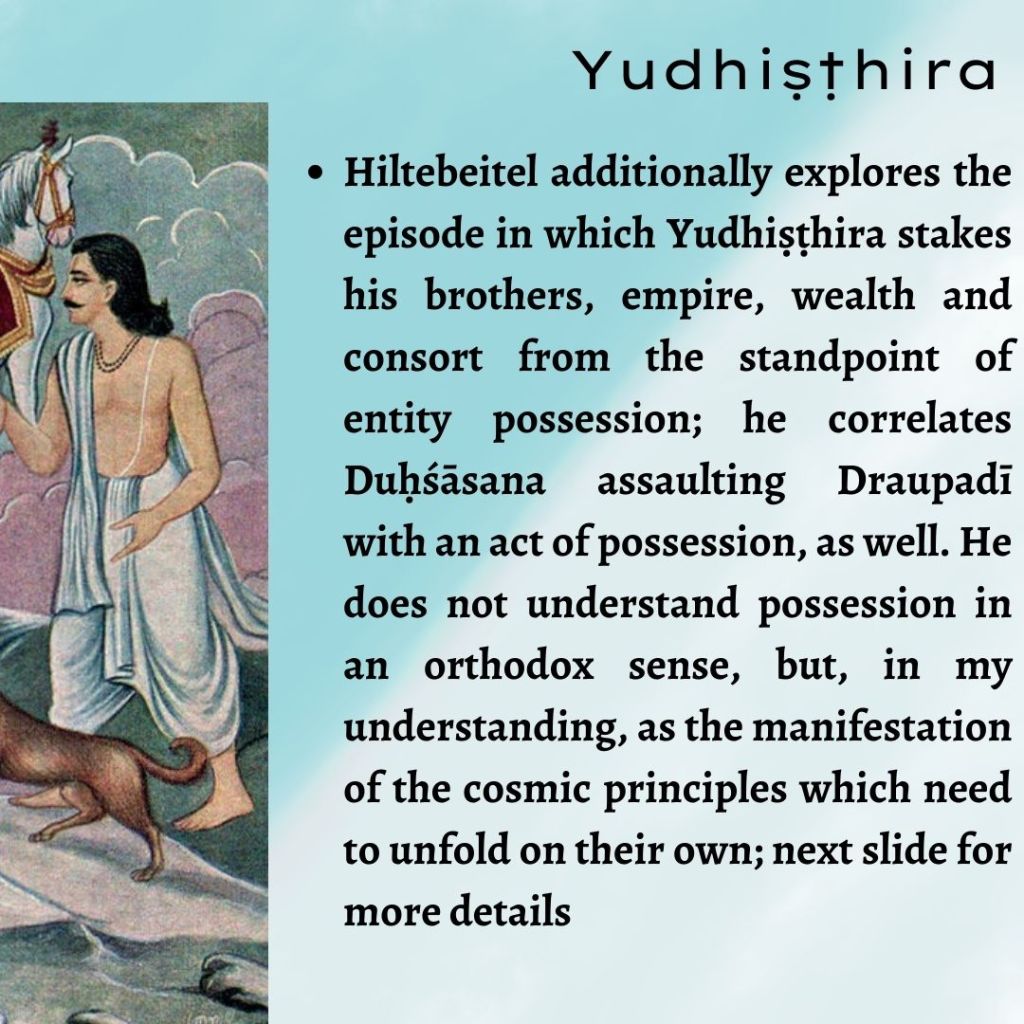
101 on the Mbh – infographics below! (parts 1, 2, 3… of many!)
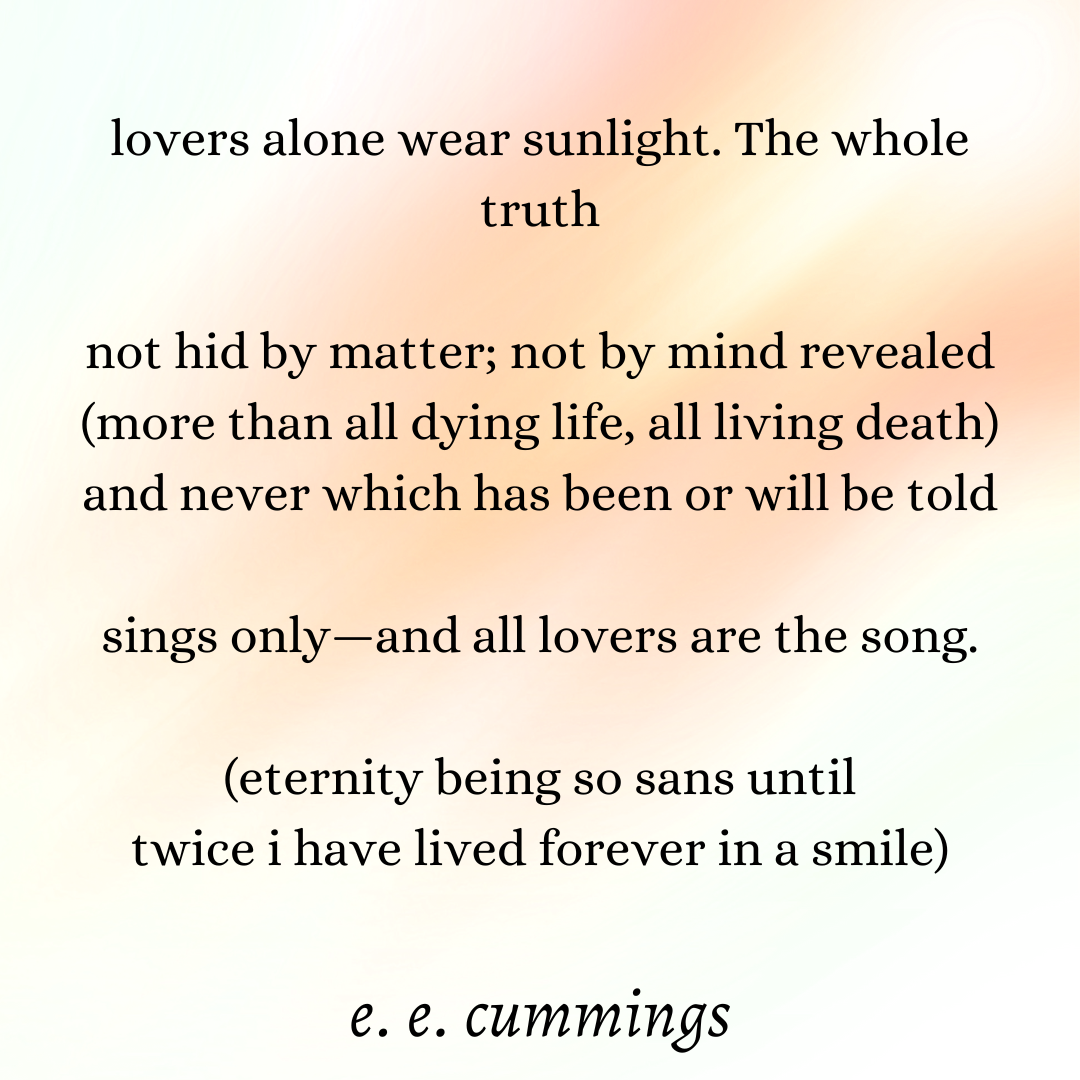
in my undergraduate degree, i studied western poetry, and one of the poets i focused on was the beguiling e. e. cummings. in the past two years, i have been exclusively exploring eastern poetry in my postgrad, and it is only recently that i have begun to see how the two apparent different worlds and approaches illuminate each other. one of the elements i am most interested in at the moment is the process of individualising the universal experience; or how to express the universal through means of individuality.
this, with relation to cummings and bhakti poetry: cummings, a pioneer of experimental poetry, created his own language, which functions, i would maintain, like an authorship stamp: he used conjunctions as nouns, rewrote linguistic rules, introduced spacing as verbs etc. his poetry addresses themes looked down upon by other avantgarde poets of his time (and our time!) such as love and nature, yet it is the creation of his own language and the erotic notes of his poetry that revolutionise and freshen the apparent cliché of his subject matter.
similarly, bhakti poets, who write about ‘common’ topics such as love and separation, revolutionise these universal themes by pinpointing the object of desire to be God, and by introducing eroticism as worship. and, their authorship stamps (example: Akkā Mahādevī’s Chennamallikarjuna – more on this later!) distinguish and establish their poetic voices as individual in the context of universality.
fascinating how the experience can be both universal yet unique as it expresses itself individually through us, and how marvellous the intricacies of language and poetry are, how beautifully they thread us together through traditions, genres, times and worlds! 🤍
sidenote, i did use the word ‘cliché’ as a convention, but i don’t believe in clichés exactly because of this reason.
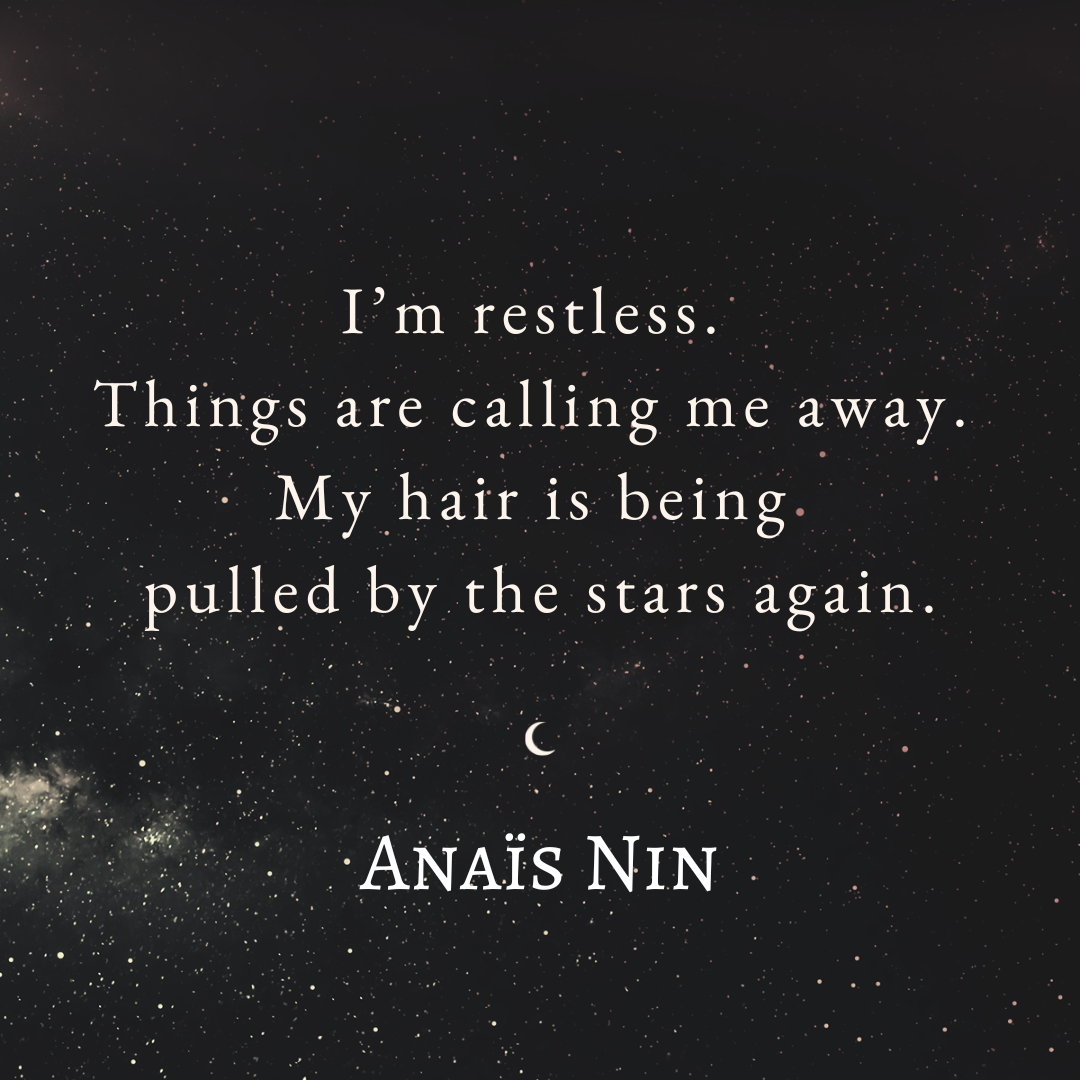
part of my #poetrybeautyseries, in which i share my favourite poetry lines and muse on their significance! on pessoa:
to me, fernando pessoa is one of the most fascinating poets to have graced this earth. he created 81 heteronyms for himself – meaning, 81 different characters or identities he assumed while writing. each had a different personality, background story, style. in awe with the mind-blowing imagination of this beautiful man. here’s a fragment from ‘discontinuous poems’, which he wrote as alberto caeiro, and which is grounded in a non-dual view, in my opinion. planning to make a video about him soon 🖤
on ginsberg:
although this quote is well-known, its context isn’t! it’s an excerpt from an interview with Ginsberg from Writers Digest, edited by Bill Strickland (p.47), in which he talks about the importance of expressing yourself without caring for validation or recognition.
“It’s more important to concentrate on what you want to say to yourself and your friends. Follow your inner moonlight; don’t hide the madness. Take (William Carlos) Williams: until he was 50 or 60, he was a local nut from Paterson, New Jersey, as far as the literary world was concerned. He went half a century without real recognition except among his friends and peers.
You say what you want to say when you don’t care who’s listening. If you’re grasping to get your own voice, you’re making a strained attempt to talk, so it’s a matter of just listening to yourself as you sound when you’re talking about something that’s intensely important to you.”
























 amaryllis