amaryllis (/ˌæməˈrɪlɪs/[1]) – bears the name of the shepherdess in virgil's pastoral eclogues. it stems from the greek ἀμαρύσσω (amarysso), meaning "to sparkle", and it is rooted in "amarella" for the bitterness of the bulb. the common name, "naked lady", comes from the plant's pattern of flowering that blooms when the foliage dies. in the victorian language of flowers, it means "radiant beauty".
spent today absorbed in the père lachaise cemetery, and one of the things i was struck most by was seeing the many sculptures of female figures towering over tombs: almost all tearful or in distress. it made me think of Strī Parva, “The Book of Women” from the Mahābhārata, which exclusively focuses on portraying women’s grief and tears, who break upon seeing their men & sons slaughtered on the battlefield in the aftermath of the war. one of the distressed female characters, queen Gāndhārī, lashes out at Kṛṣṇa and accuses him of murder, declaring that he could have stopped the war as he is both omniscient & ever-powerful.
Kṛṣṇa rejects her blame and retorts that he cannot override the cosmic laws. he himself is subjected to them; the massacre was ordained, no one is exempt from death, and the cycle of life is definitive.
my understanding of this exchange is: he is not telling her that she should not grieve or that her grief is “wrong”; he merely offers her the opportunity to place it in a larger context and to use her distress to understand deeper herself as well as the web of nature / existence / cosmology. there is no one to blame or resent or victimise; life unfolds as is. and,
even what we understand as ‘negative’ feelings therefore can be utilised as a stimulus for self-reflection. i myself have spent a lot of time simmering in grief without considering what it could teach me, so this particular scene is very profound for me.
and, how beautiful is Kṛṣṇa’s revelation that he himself is subjected to the cosmic laws once incarnated! will elaborate on this in a future article or post 😊
*my retelling of this dialogue is not based exclusively on the critical edition but also on its variations, as this is one of the instances in which i find referring to multi-versions valuable.
photos: some of my favourite sculptures seen in the cemetery!
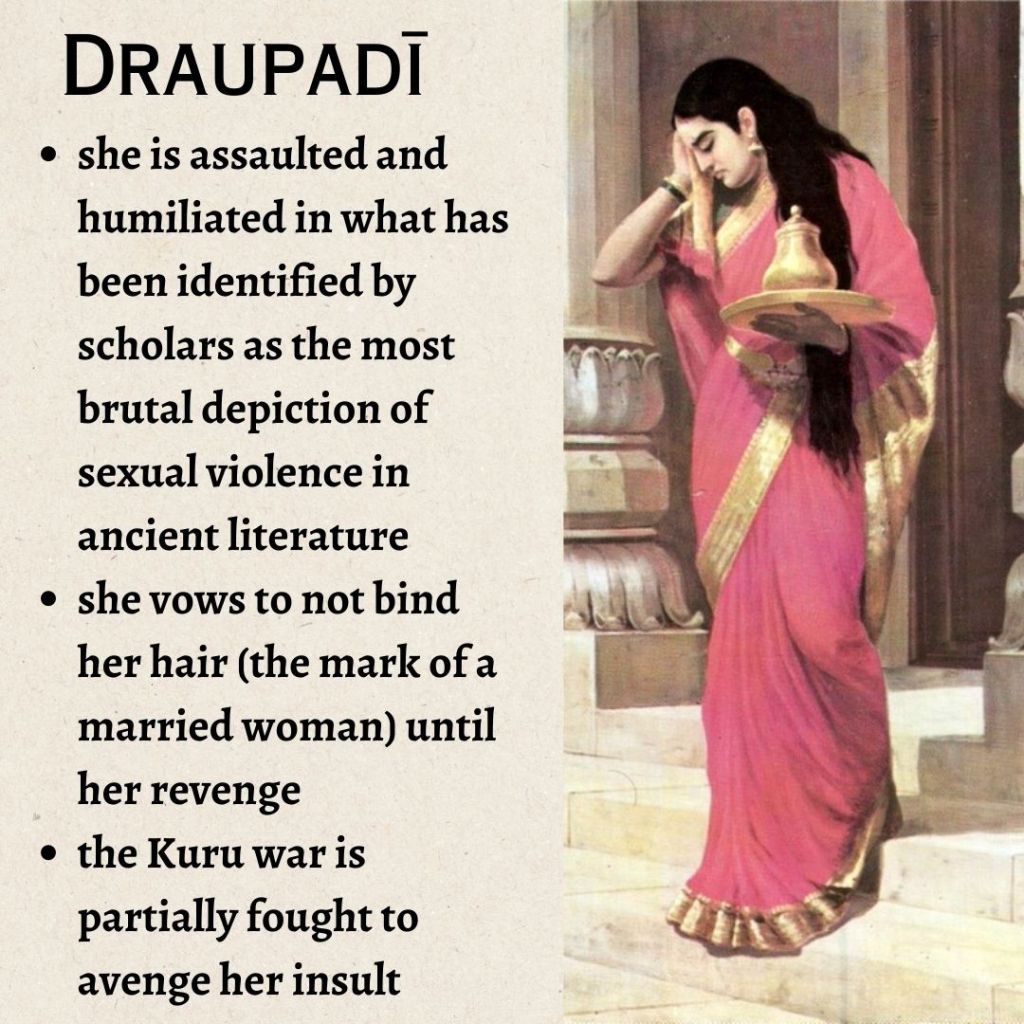
The Mahābhārata is a love of my life, and one of my main research interests – as well as the subject matter of my upcoming PhD thesis! for awhile now, i have been reflecting on how to meaningfully share about the Mbh on my social media platforms. generally, i would say that there are two main approaches to the Mbh in contemporary discourse: one is the academic and scholarly approach, which, although i both adore and adhere to, i find to be largely inaccessible and limited to the academic niche. the second, which seeps more into contemporary discourse, i find to be a moralistic, religious outlook. although i consider both approaches to be valid and needed in society, i believe that what is missing is more intimate, personal sharing about the Mbh. i, for one, am not in love with the Mbh purely out of intellectual curiosity. for me, The Mahābhārata is alive; it exists within me and within the collective consciousness as a mirror to our own thought processes and individual universes. i would therefore like to challenge myself past my usual scholarly approach and share earnestly about what it means for me to immerse myself in this marvellous epic. for instance, what does it mean for me as a modern woman to read about Draupadī’s disrobing; how can i understand myself better through her character?
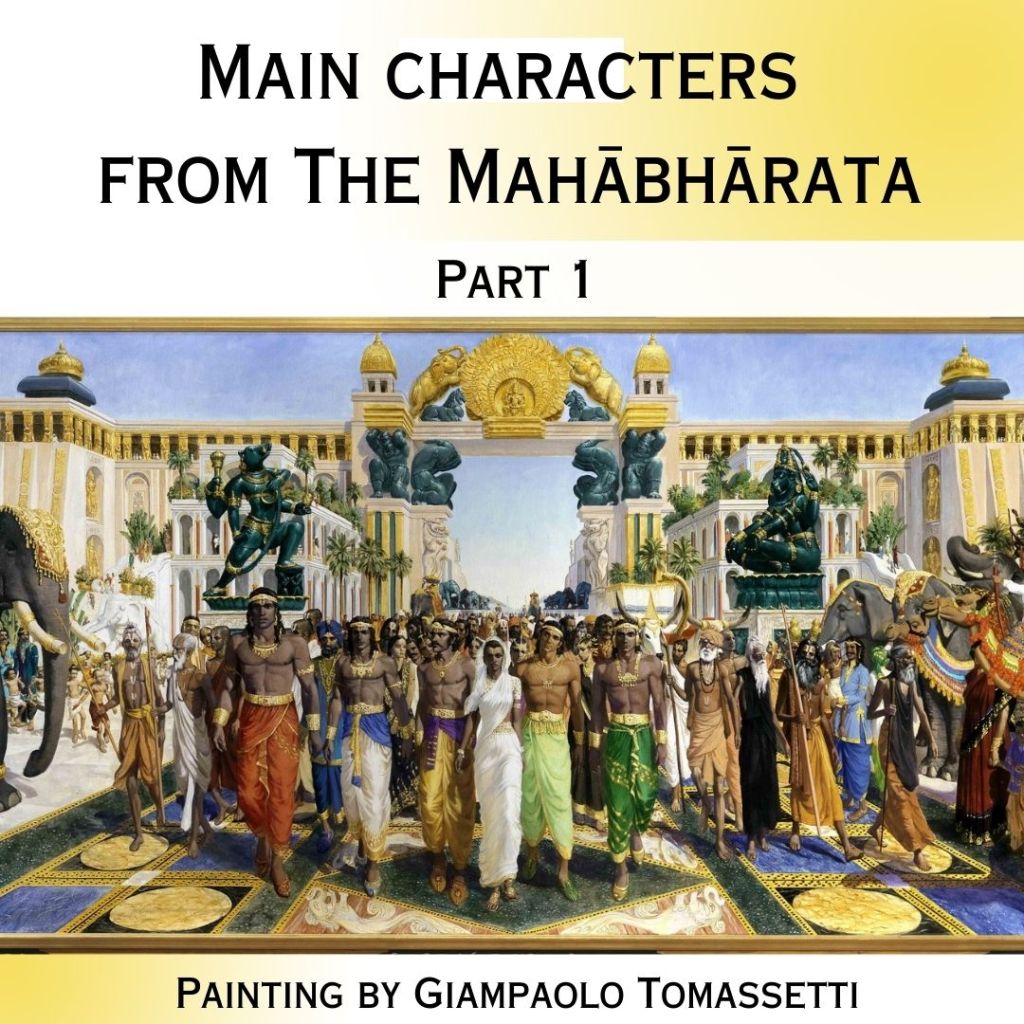
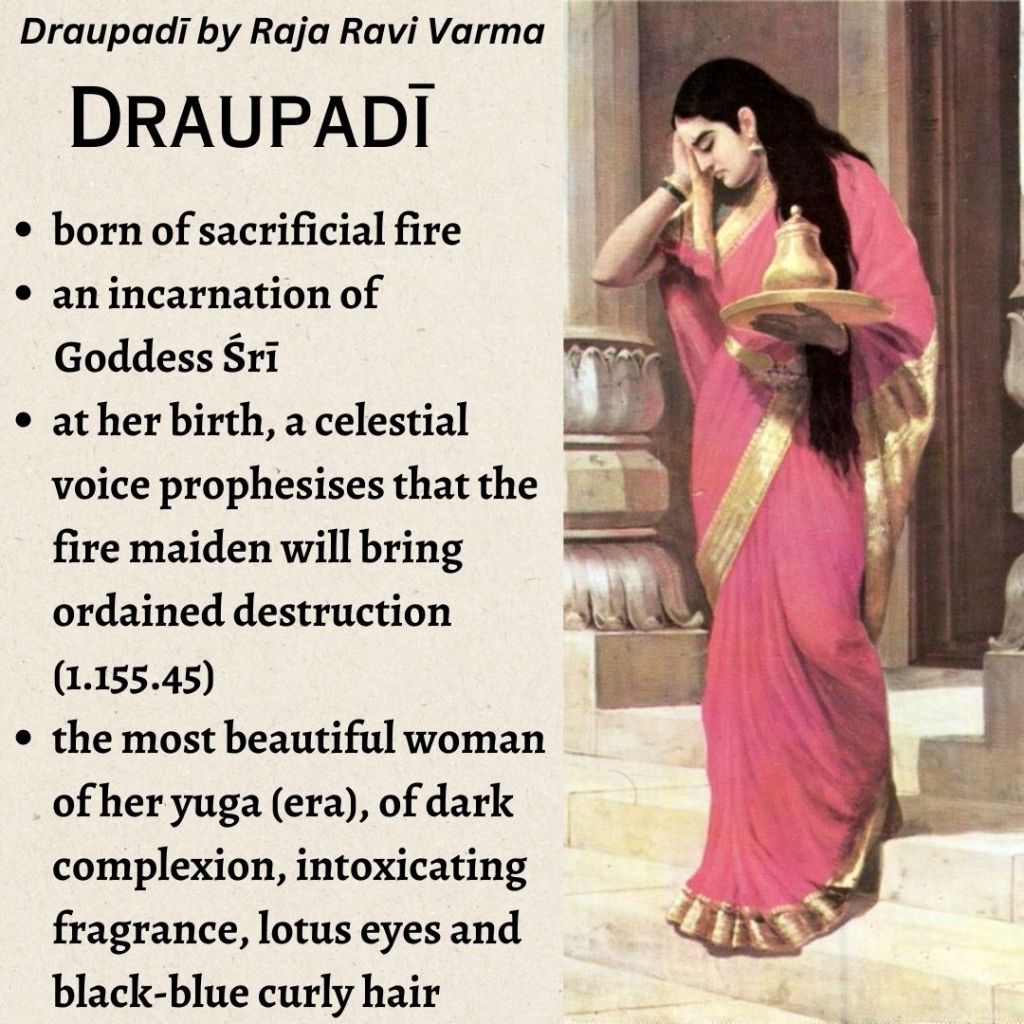
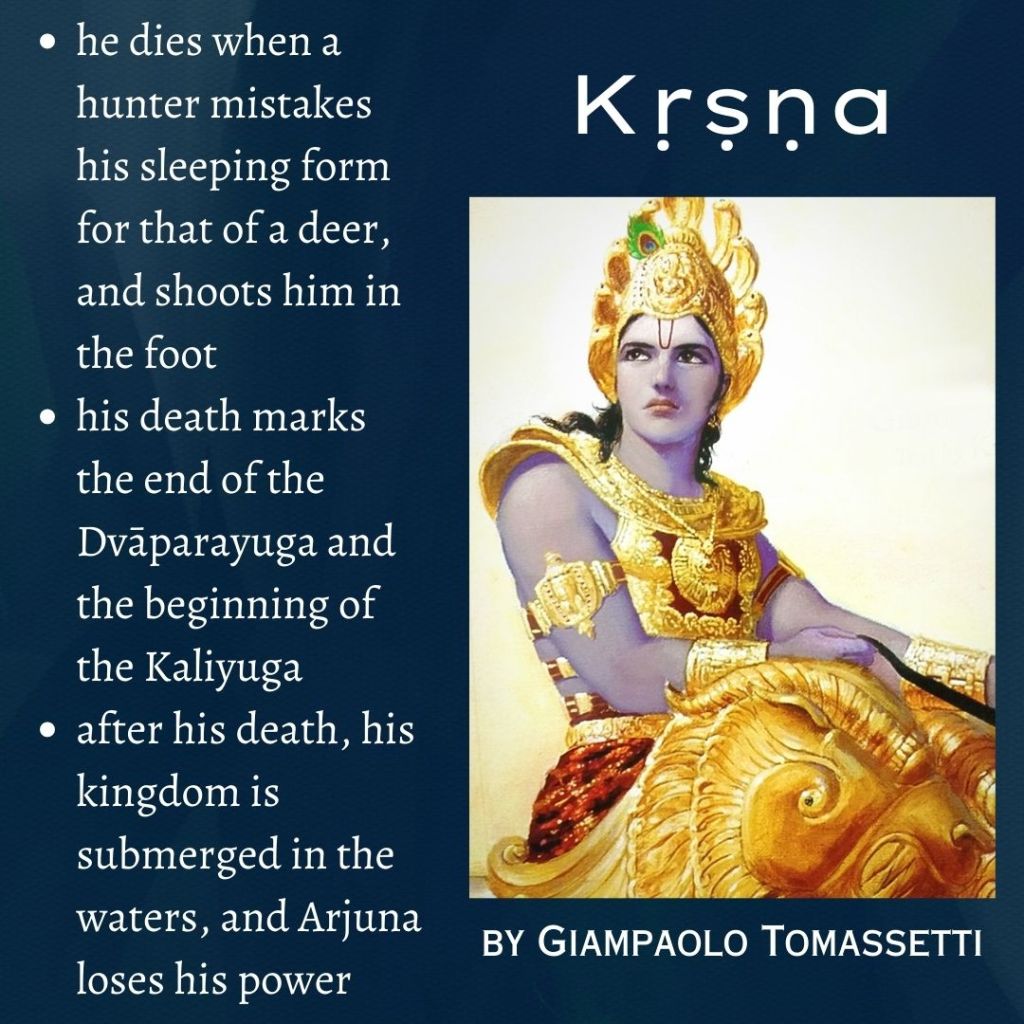
to ground these discussions more, i will create infographics about the plot, the historical context & main characters (created more out of love for the Mbh than for these discussions, to be honest!).
very excited for this and am looking forward to establishing myself further in the epic’s framework through this interactive approach!
to begin with,
WHY THE MAHĀBHĀRATA?
a question any scholar should ask themselves, i would argue, is why? why is my research relevant, why should i conduct this research in the first place, and how can it answer to questions of the present?
today, i am going to answer to this question with regards to the Mahābhārata. why should we care about an ancient epic poem? first of all, because the Mbh is not a dead, lifeless piece of literature. i would argue, and this is one of the main claims i will construct in my phd thesis, that the Mbh is ever-fluid and ever-changing. throughout centuries, there have been countless of retellings of the epic, each bearing differences, interpolations. does this mean that they are invalid? i would maintain that they are very much valid, and the continuous changes shaping and re-shaping the epic come as a result of its aliveness: it is alive, pulsing in the collective consciousness. in this full aliveness, the Mbh is moulded by society and culture as they evolve, acting as a mirror.
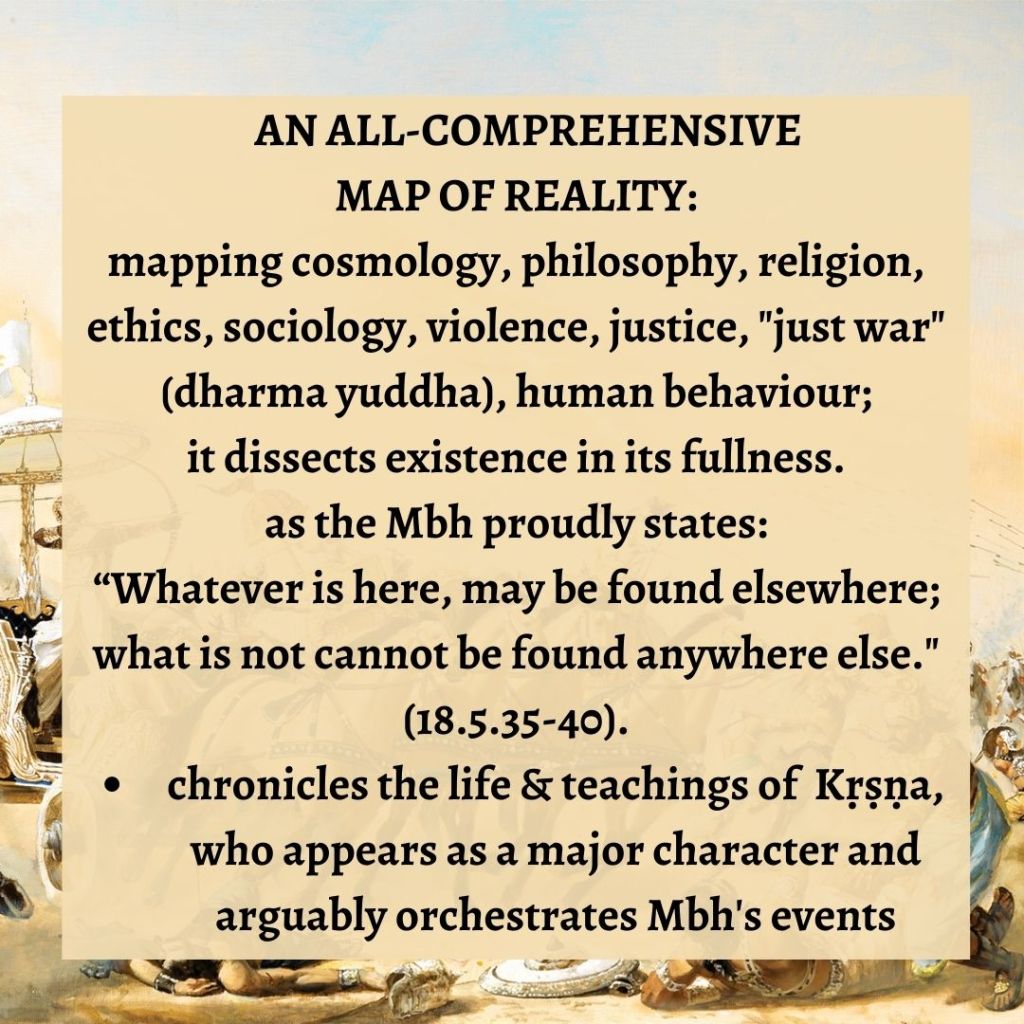
on the other hand, the Mahābhārata in itself proudly states that what you can find in it, you can find anywhere else, but you cannot find anywhere what does not exist in the Mbh; there is nothing that it does not address. in this, it tells us that it contains all answers and questions we can have – albeit in a very abstract and cryptic manner. for instance, it contains futuristic themes (for its time of creation), such as IVF and AI, and it addresses themes which are very relevant to the present day: religious violence, women’s rights, ethics. it answers to all questions we can have about the human condition; as although times are ever-changing, the human experience always remains the same, or so i would maintain: the questions we ask ourselves at their core remain the same, although the experience will be manifested or expressed differently at surface level. the Mbh thus contains inexhaustive areas of self-exploration and opportunities to understand ourselves and the world.
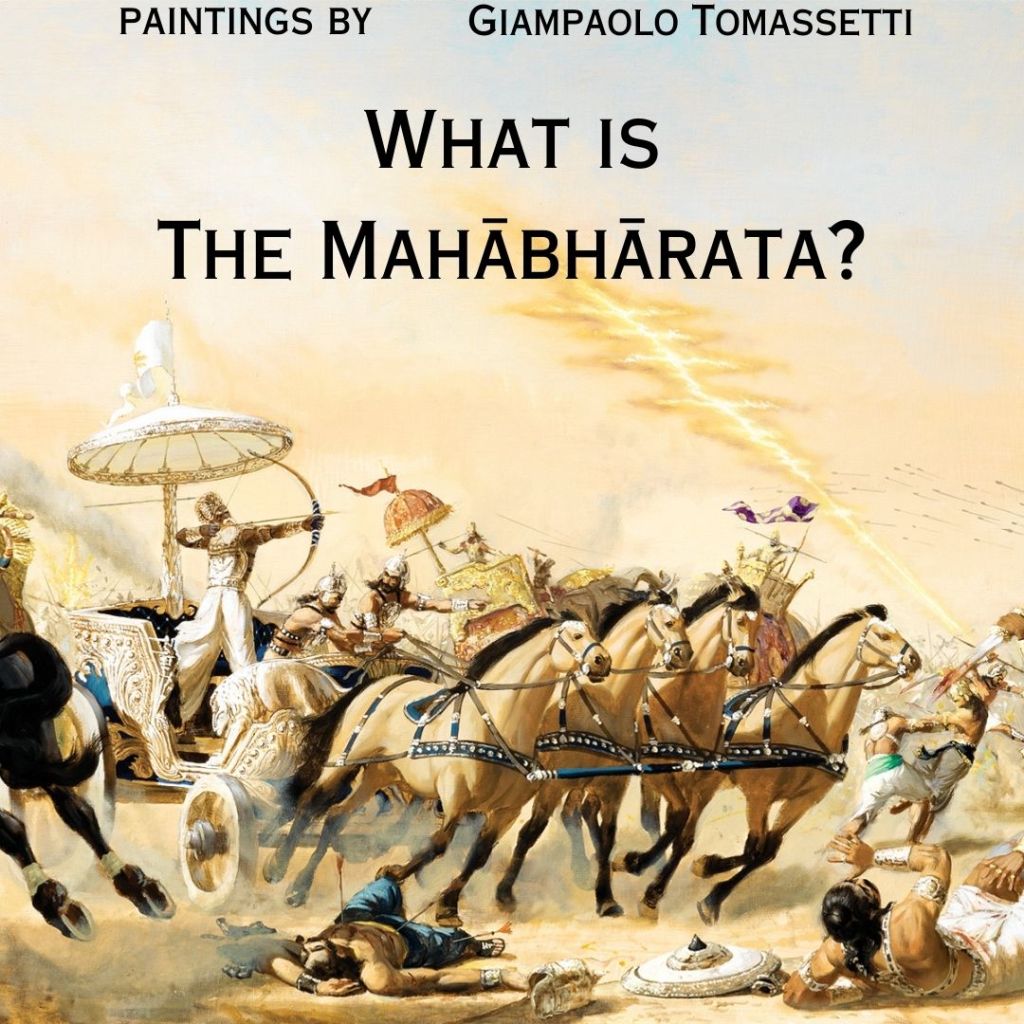
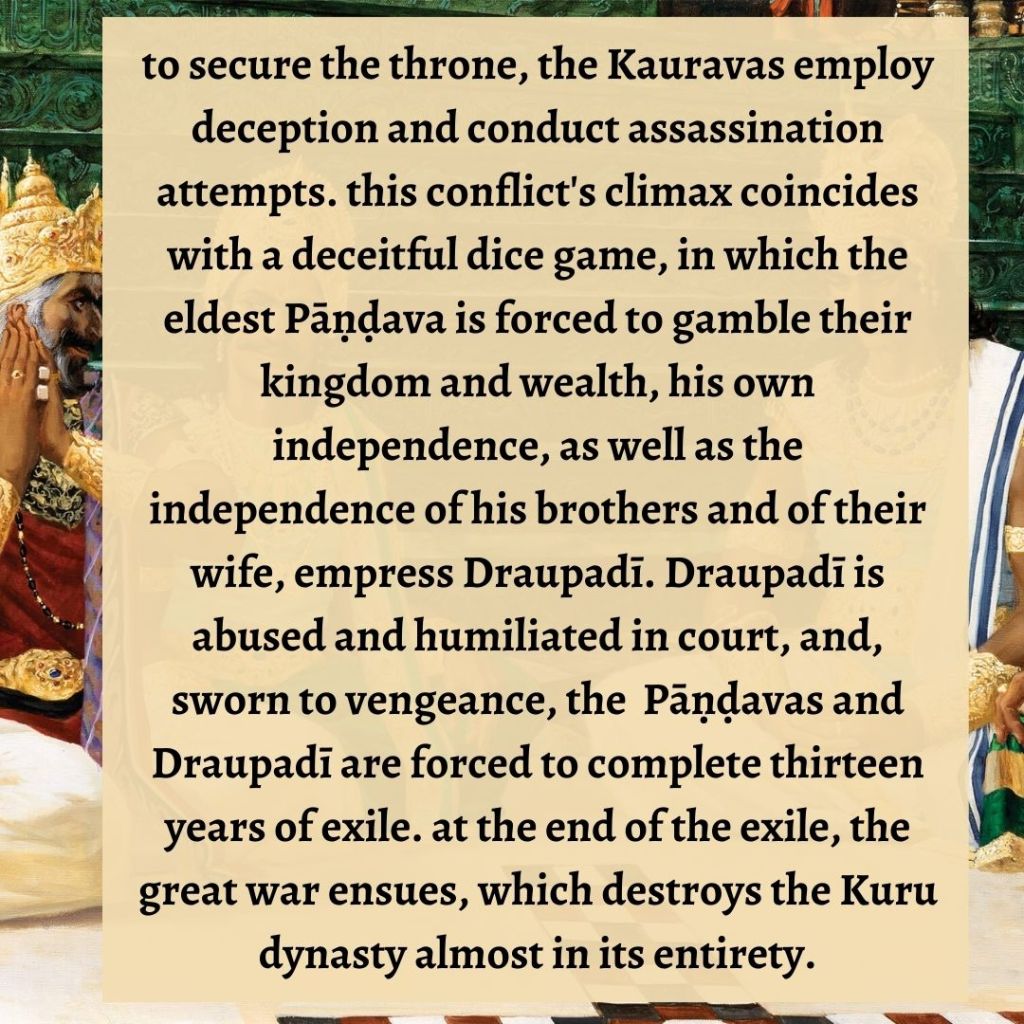
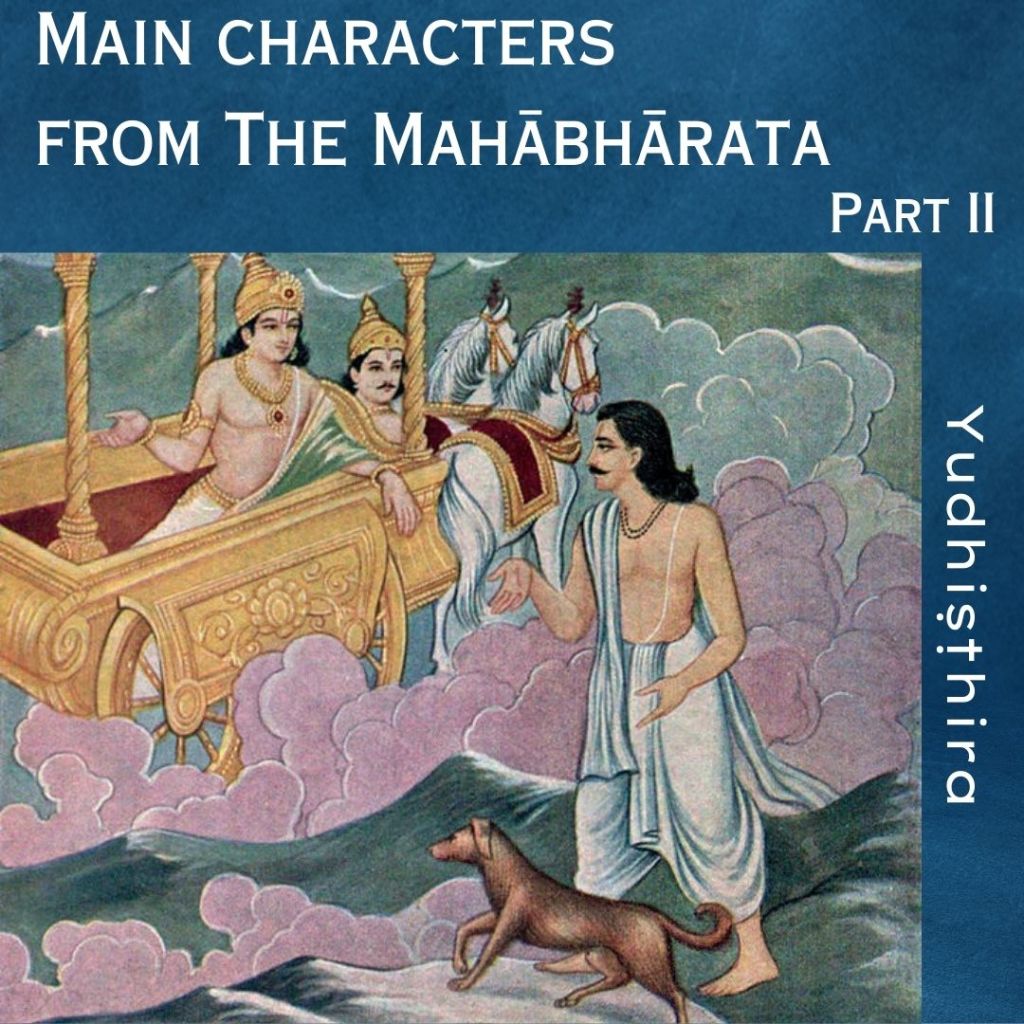
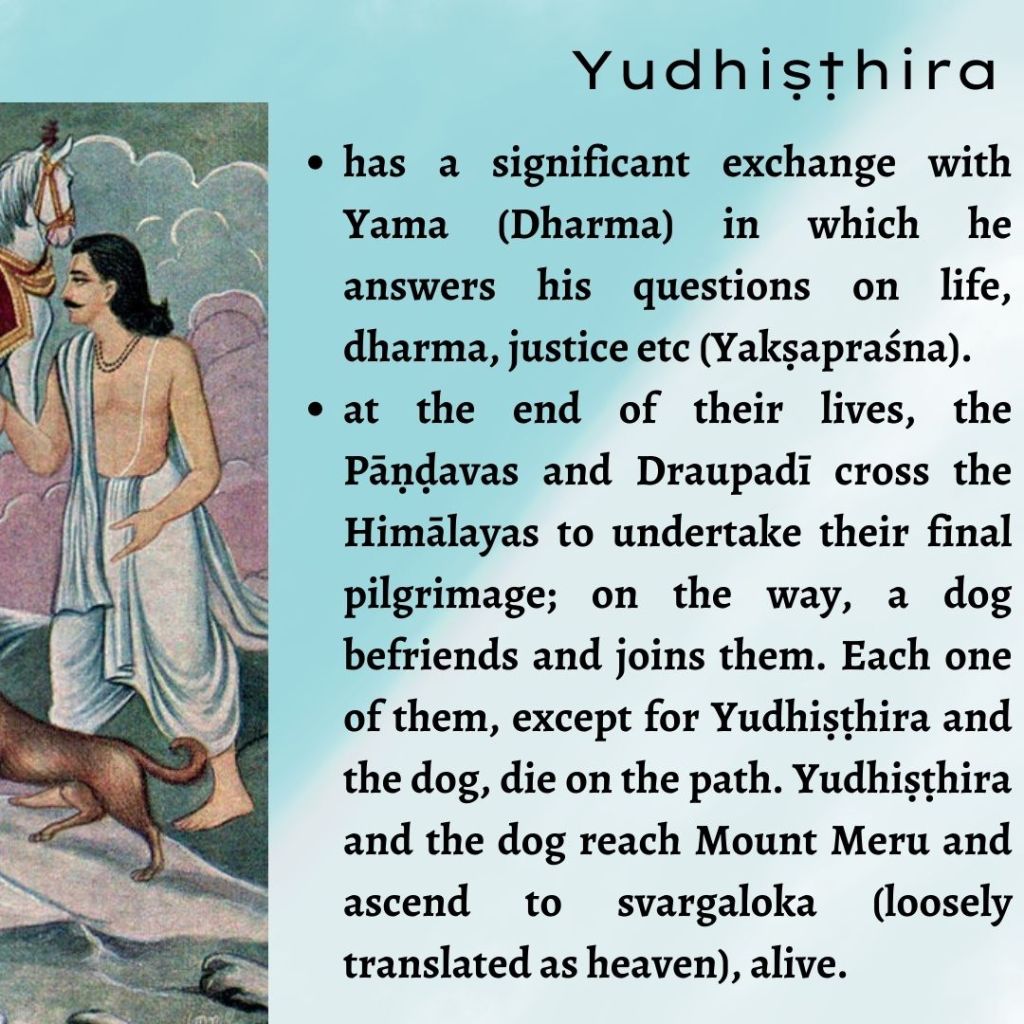
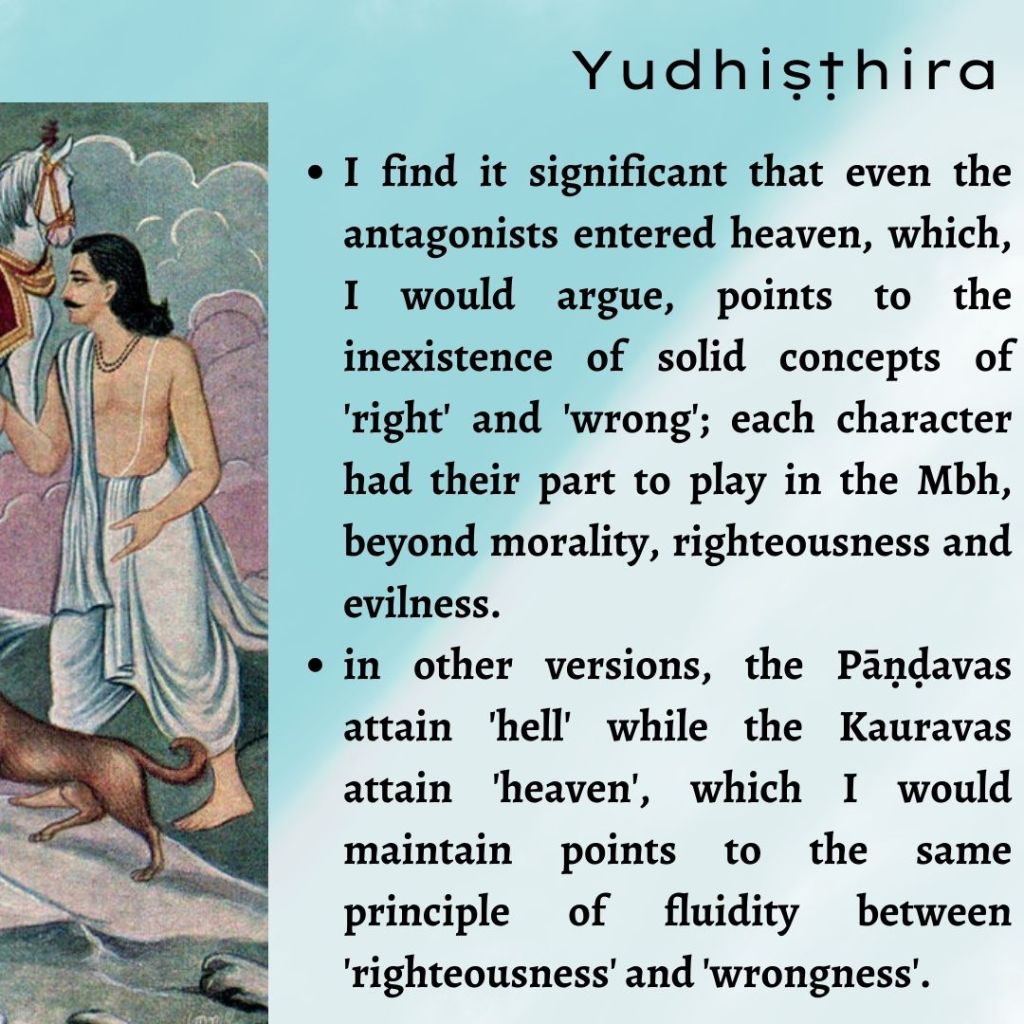
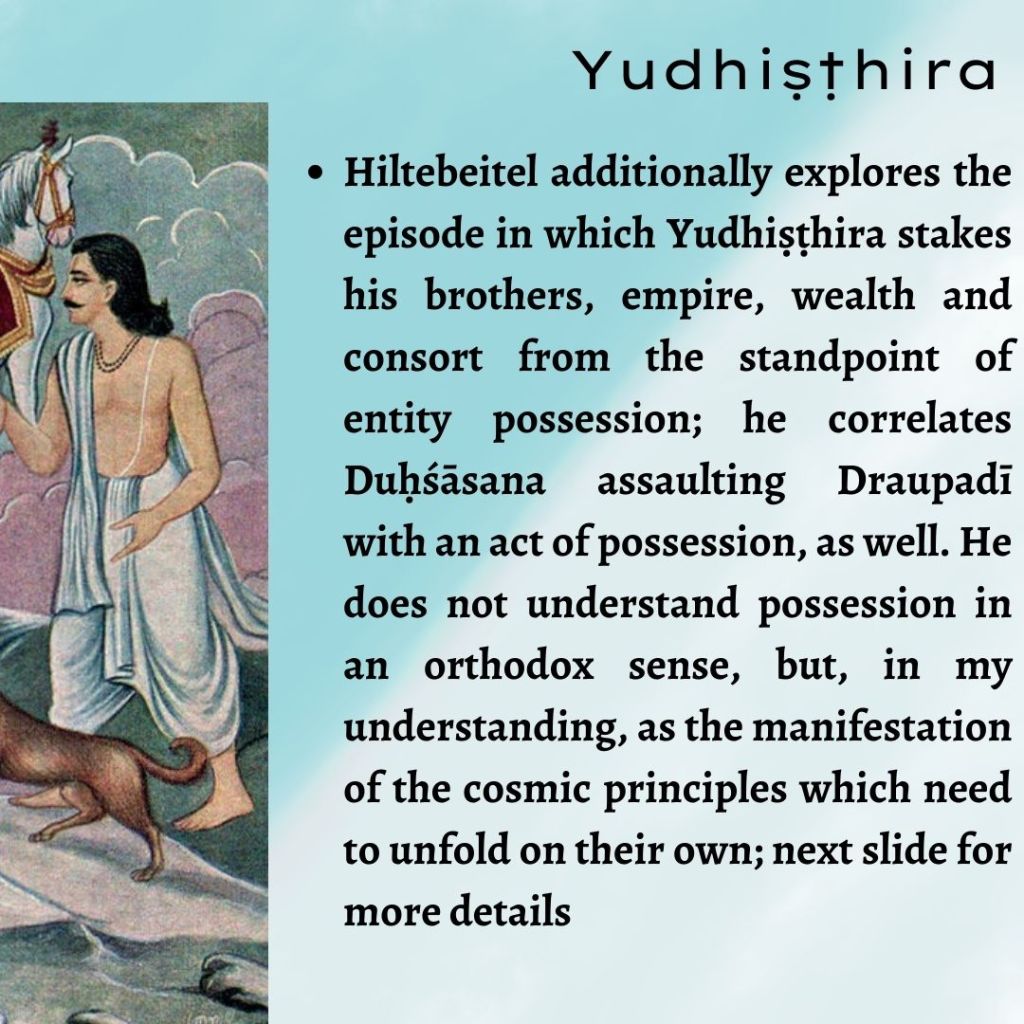
101 on the Mbh – infographics below! (parts 1, 2, 3… of many!)
happy Mahāśivarātri! 🙏 reflecting today on the need to destroy within that which is familiar to be reborn as new. a poem inspired by the homam witnessed at the Chidambaram Temple (pictured):
Agni is starved
mantra pours into the fire ghee pours into the fire milk pours into the fire curd pours into the fire sugar pours into the fire silk pours into the fire
fear pours into the fire past pours into the fire doubt pours into the fire attachment pours into the fire woe pours into the fire ire pours into the fire
Agni licks his lips
quenching the homam within, i wear the embers on my eyelids with each blink i regenerate.
Har Har Mahādeva!
🔱 further context: scholar Richard K. Payne explores homa as symbiosis between fire, the deity invoked in and concomitantly identified with the fire, and with the practitioner, who themselves becomes ‘ritually identified with both the deity and the fire’. in this, the offerings immolated in the fire are connoted with ‘spiritual obstacles that impede the practitioner from full awakening’. most significantly, ‘the practitioner’s own inherent wisdom is identified with the fire, and just as the offerings are transformed and purified, the practitioner’s own spiritual obstacles are, as well’. (2017) Payne interestingly identifies two strains of interpretation of the ritual: first, ‘the yogic interiorization of ritual found in post-Vedic Indian religion, more as a form of esoteric physiology than as a psychologized understanding of visualization’; second, ‘the sexual symbolism’ ‘attached to all aspects of fire rituals’. (2017)
so thrilled to share that i finished the two papers i’ve been working on these past months: “Feminine Dimensions of ‘God’: The Deification of Mahābhārata’s Tragic Heroine” & “The Western Revival of Goddess Worship”.
my first essay explored the richness of the non-dual concept of ‘God’ by addressing the intricate worship of Draupadī, Mahābhārata’s enigmatic female character – whose tragic and distinct storyline establishes her as a multifaceted heroine: a devoted wife; a caring mother; an abused and vindicative woman; a polyandrous empress; an avatar of the Goddess; the Supreme Parāśakti, the all-pervading absolute reality herself; the celestial Śrī. i argued that, through the worship of an abused & vengeful woman, her devotees are deifying the entirety of the human experience. my second essay employed a discourse rooted in psychoanalysis, and was centred on the therapeutic values Goddess archetypes hold for the traumatised female psyche + commented on the ramifications of the phenomenon of religious revival in a secular age.
i have adored writing both, no matter how frustrating the writing inevitably got at times. i had so much fun with the two topics, which i’m very passionate about, but i especially enjoyed delving into Mahābhārata – three months in, and i still am absolutely fascinated by it and in awe of the beautiful Draupadī, who i’m sure will be the subject of much of my future research.
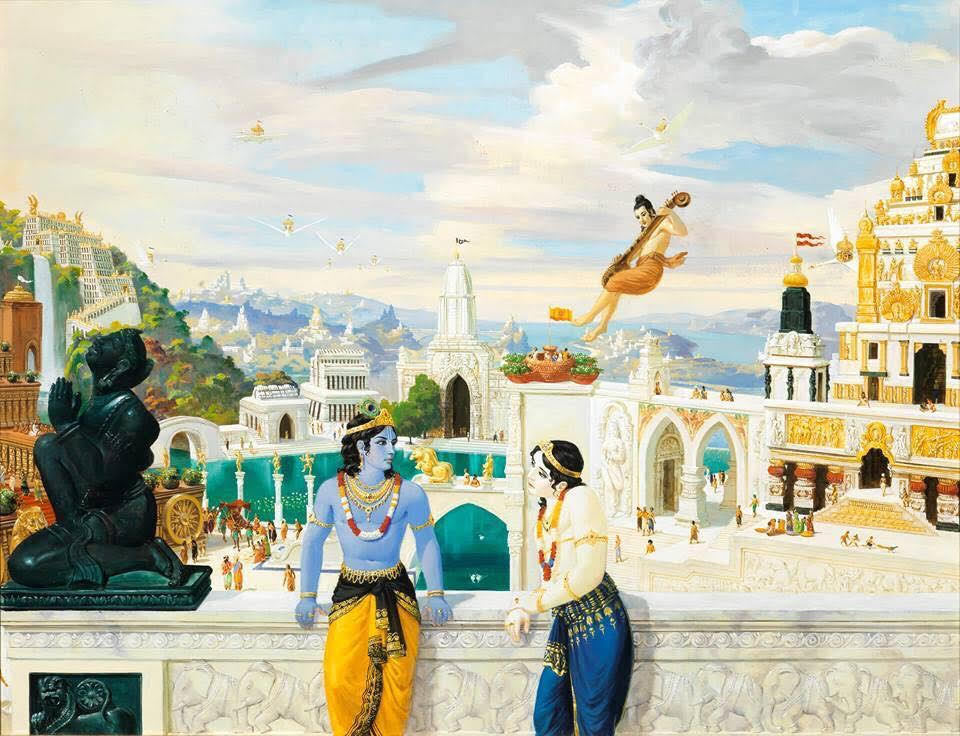
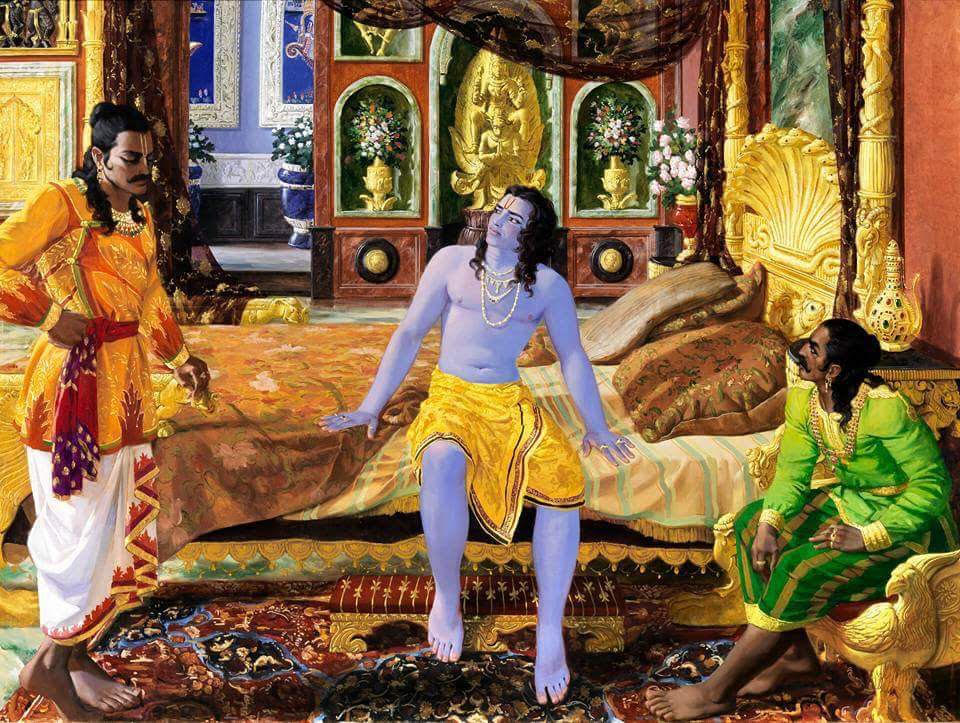
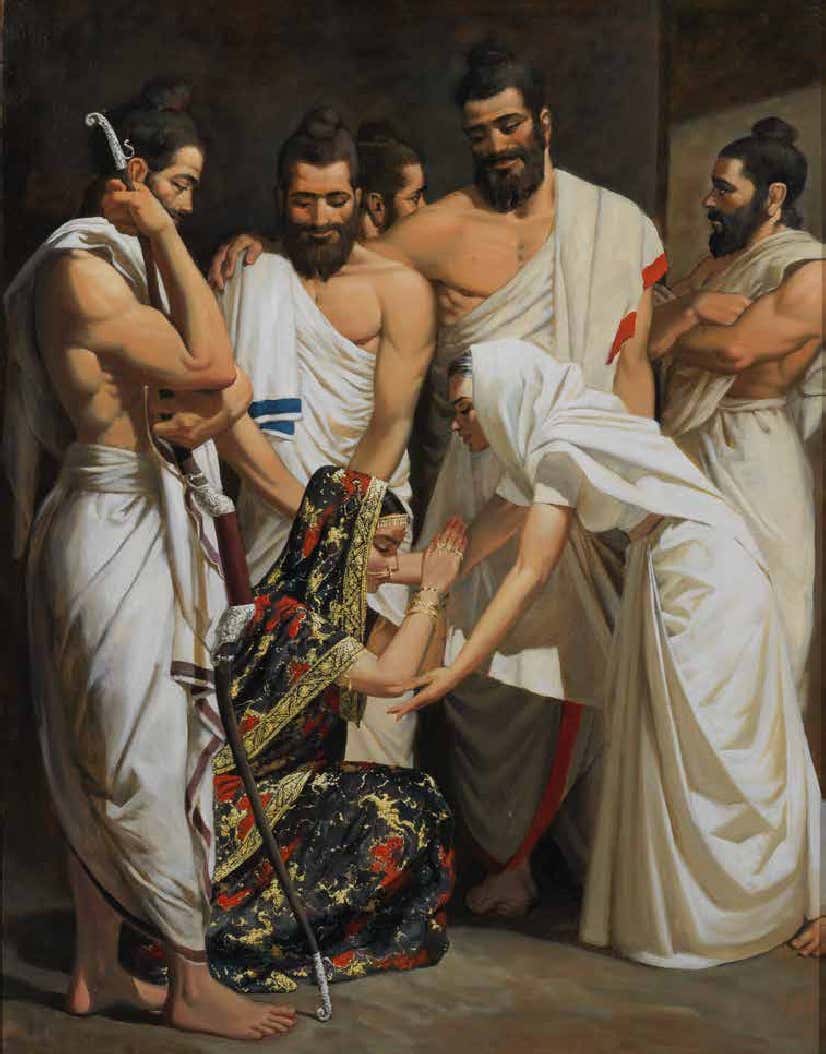
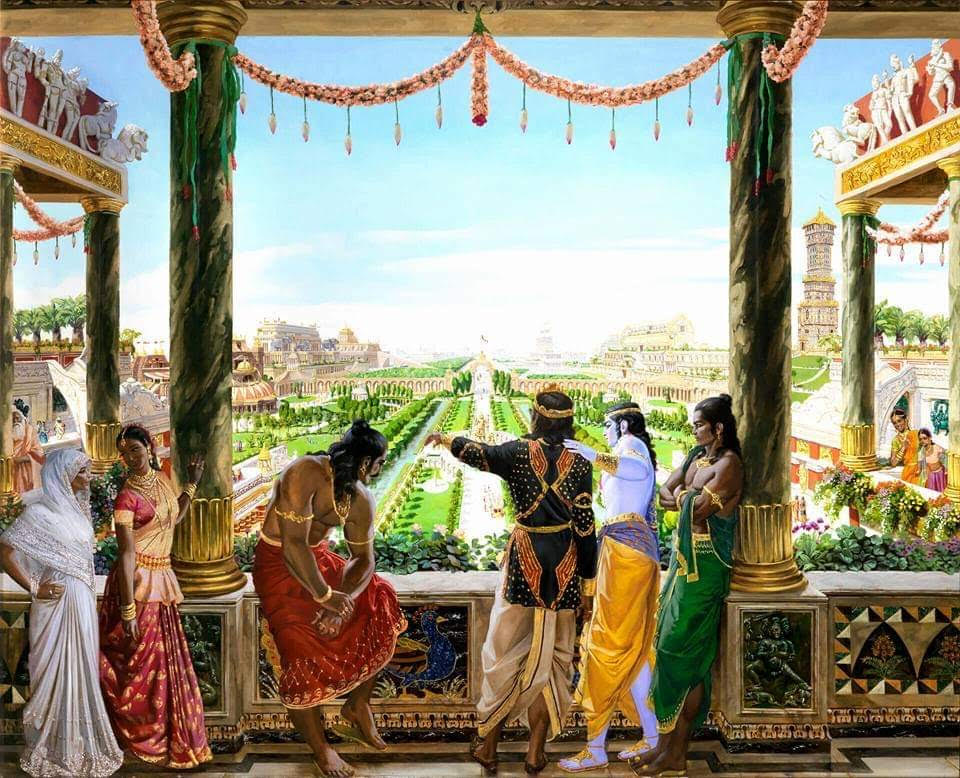
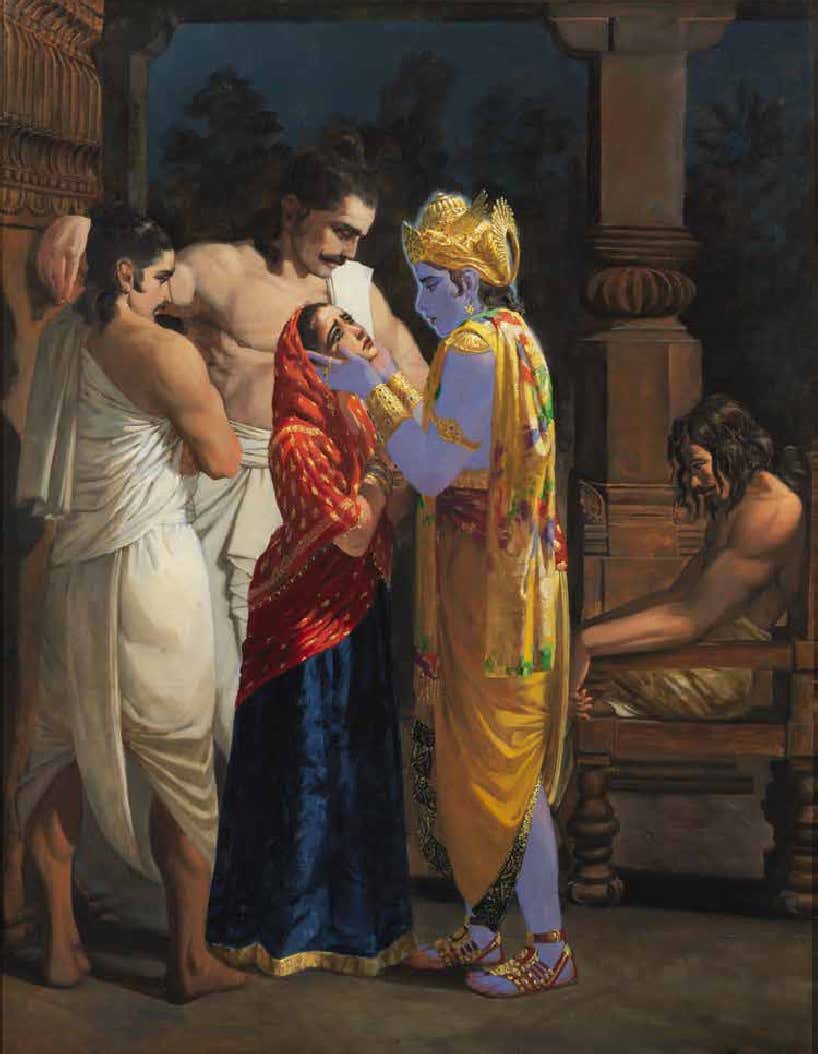
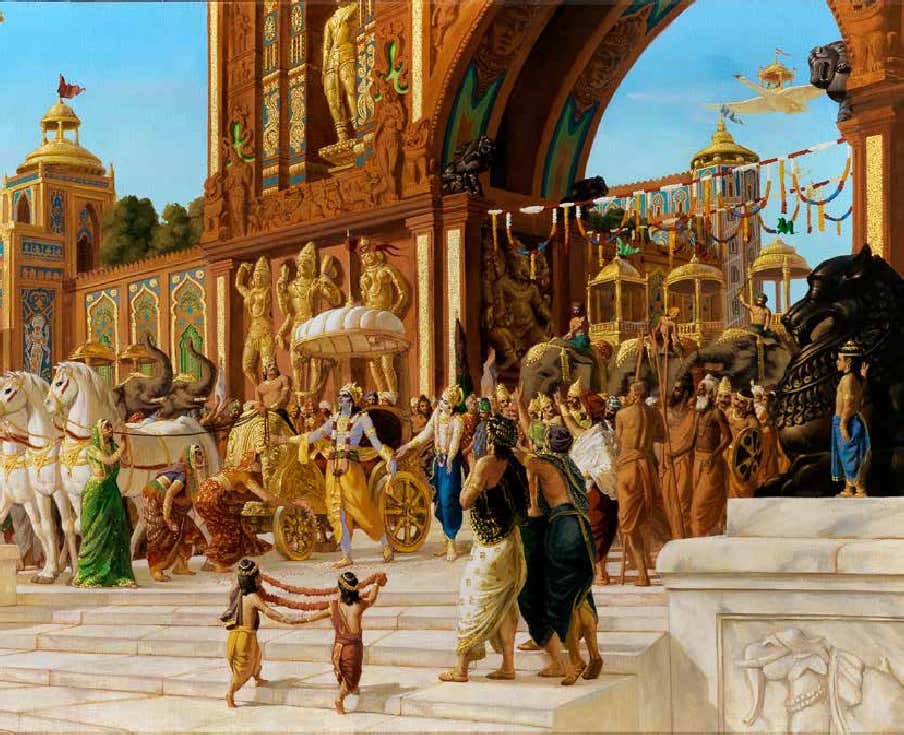
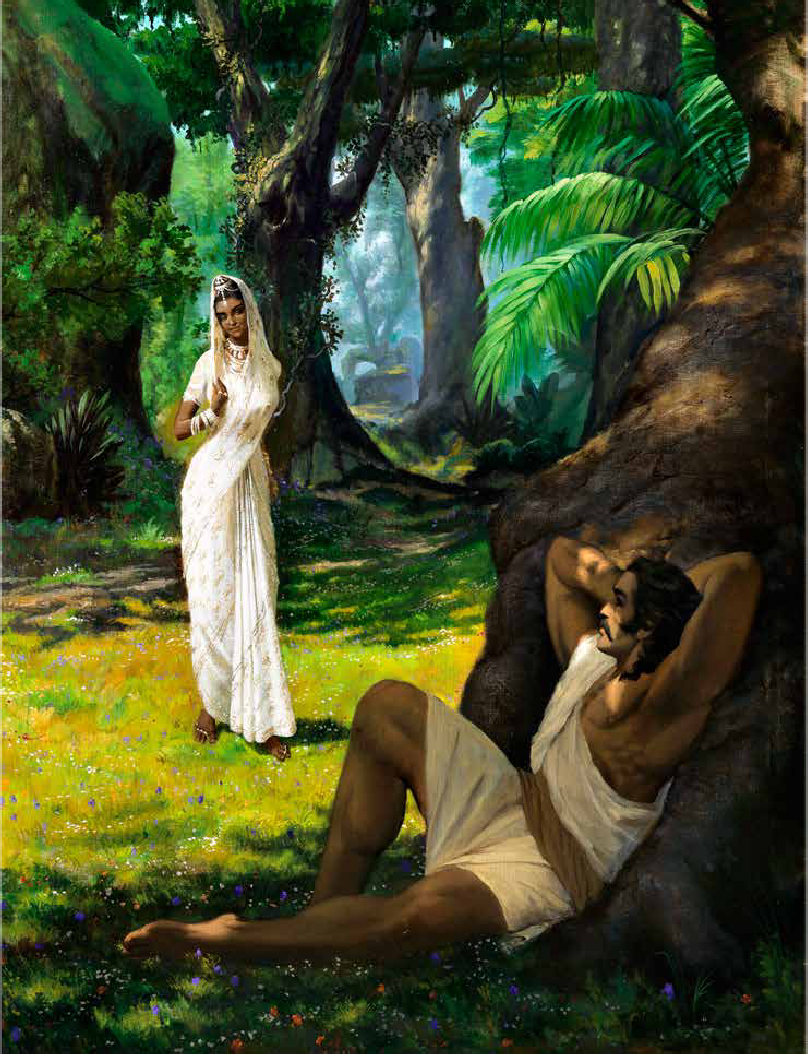
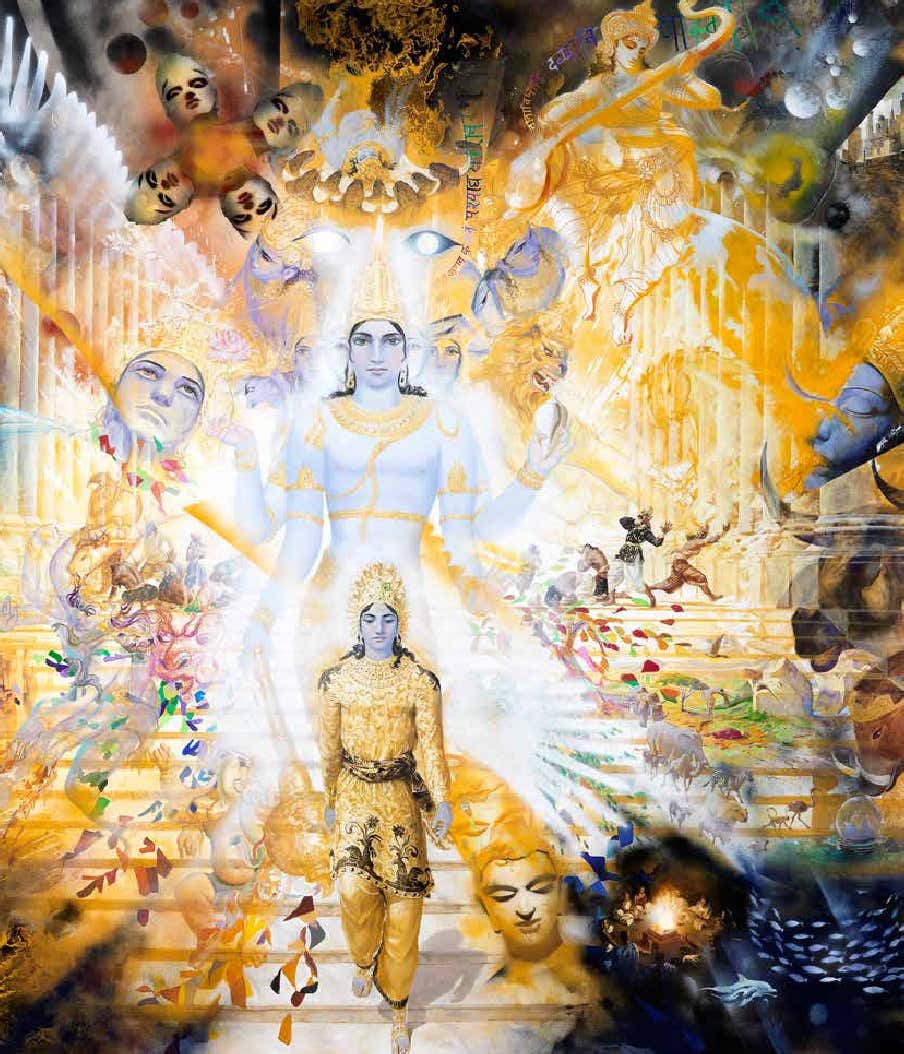
on this occasion, attaching here the marvellous paintings of Giampaolo Tomassetti, who dedicated 17 years of his life to studying & painting the Mahābhārata pictured:
Kṛṣṇa & Balarāma in Dvārakā (my favourite )
Kṛṣṇa advising the Pāṇḍavas
Draupadī meets Kuntī
Kuntī & Karṇa
Kṛṣṇa comforting Draupadī after ~ dice match & disrobing ~
Kṛṣṇa reveals his universal form (Govindarūpiṇī)
Kuntī & Sūrya
Kṛṣṇa, the Pāṇḍavas, Draupadī & Kuntī in Indraprastha
kneeling at the cradle of the skies and the seas, she prays with her hips and she asks the Earth for forgiveness.
~ these are my favourite lines from an ending poem belonging to my final year project: a devotional collection about the feminine mystique. while writing it, my greatest influence was Lalleshwari, who also is my favourite poetess. i’ve been fondly thinking of her today as i revisited my poems. from her collection “I, Lalla”:
Wrapped up in Yourself, You hid from me. All day I looked for You and when I found You hiding inside me, I ran wild, playing now me, now You.
As the moonlight faded, I called out to the madwoman, eased her pain with the love of the One. ‘It’s Lalla, it’s Lalla,’ I cried, waking up the Loved One. I mixed with Him and drowned in a crystal lake.
I wore myself out, looking for myself. No one could have worked harder to break the code. I lost myself in myself and found a wine cellar. Nectar, I tell you. There were jars and jars, and no one to drink it.
i aimed to emulate her character into the female voice i created: an embodied woman devoted to the supranatural, whose esoteric experiences were deeply personal, imperfect and feminine. Lalla (or Lal Ded) was an enchanting Kashmiri mystic and saint, who created the prominent style of spiritual poetry known as “vakhs”. she wrote heart-wrenching, devotional poetry to Lord Śiva, who she was enamoured with. she wore nothing but the tresses of her long hair and lived the life of an ascetic: she renounced all worldly possessions and would wander, bare, sharing her wisdom and teachings. some lauded and worshipped her, some threw rocks at her, but she paid no mind. she wrote:
They may abuse me or jeer at me, They may with flowers worship me. What profits them whatever they do? I am indifferent to praise and blame. Can a few ashes a mirror befoul?
^ i wish to tread through life so wildly. excited to share this collection of mine with you in the (far) future, when the time is right.
me treading through life coyly in portugal, where i hope to relocate one day. i have kept adding photos to this website, although i never thought i would do that at first. but, i don’t know, i feel vaguely nostalgic, times are changing quickly, i’m growing out of my mermaid hair… and there is longing inside of me to share, to connect, as i am, clumsy and … lost… and me….














 photos: the ecstatic Caturāvṛtti Tarpaṇam, completed in forty-one days.
 i have adored writing both, no matter how frustrating the writing inevitably got at times. i had so much fun with the two topics, which i’m very passionate about, but i especially enjoyed delving into Mahābhārata – three months in, and i still am absolutely fascinated by it and in awe of the beautiful Draupadī, who i’m sure will be the subject of much of my future research.


 kneeling at the cradle of the skies and the seas,
 Wrapped up in Yourself, You hid from me.
 Lalla (or Lal Ded) was an enchanting Kashmiri mystic and saint, who created the prominent style of spiritual poetry known as “vakhs”. she wrote heart-wrenching, devotional poetry to Lord Śiva, who she was enamoured with. she wore nothing but the tresses of her long hair and lived the life of an ascetic: she renounced all worldly possessions and would wander, bare, sharing her wisdom and teachings. some lauded and worshipped her, some threw rocks at her, but she paid no mind. she wrote:
 excited to share this collection of mine with you in the (far) future, when the time is right.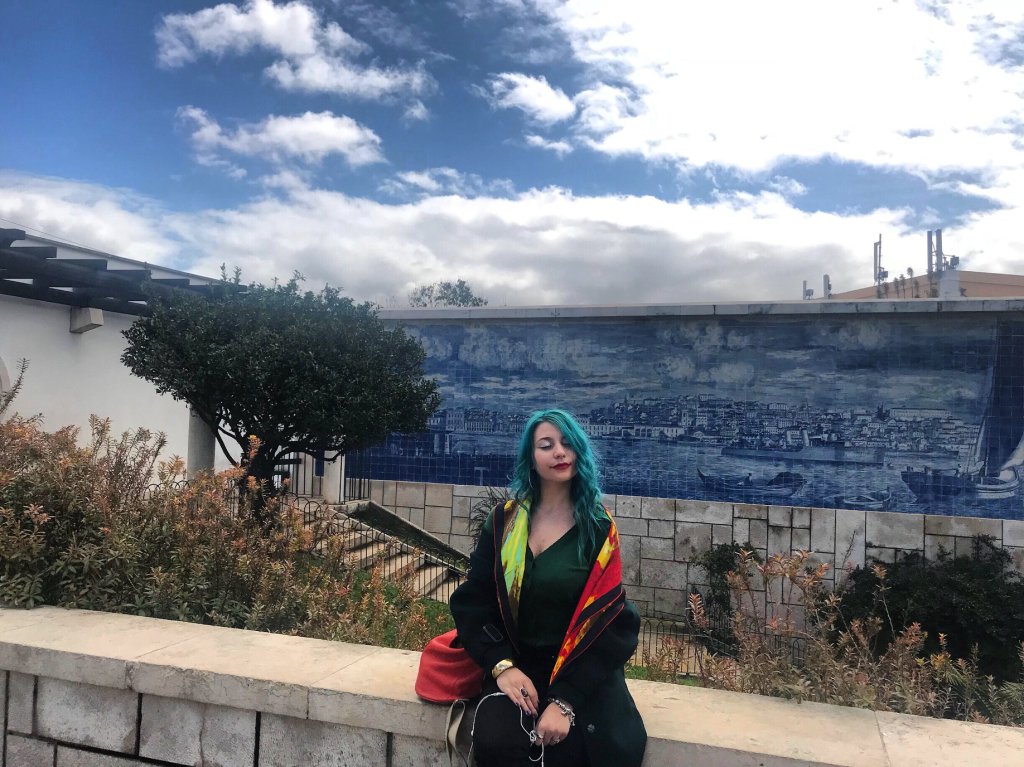
 amaryllis