amaryllis (/ˌæməˈrɪlɪs/[1]) – bears the name of the shepherdess in virgil's pastoral eclogues. it stems from the greek ἀμαρύσσω (amarysso), meaning "to sparkle", and it is rooted in "amarella" for the bitterness of the bulb. the common name, "naked lady", comes from the plant's pattern of flowering that blooms when the foliage dies. in the victorian language of flowers, it means "radiant beauty".
the sun in my mind aging by one the tinkle of golden anklets calling from the forest of monal the blood of my womb coalescing into bruised grass the clouds of silk blushing against my cheeks the burn of my skin drying before the unforgiving light the sound of my shame vibrating in my chest the cold untangling my fingers’ grasp on fears seeded into me as child
i sometimes wish i was satisfied by easy by swinging my feet over the white picket fence holding hands with perfect suitability but the fire in my belly scorches and i know i’m not
i sometimes wish to rest but the fire in my belly scorches and i know i have to keep moving
you held me all night, my Lord unseen to the eye, your grace, a lover’s touch, wrapped my skin unheard to the ears, your name, my japa, vibrated through my braincells
Monsoon One, do you long for me as fully as i long for you? do you call on me as ardently as i call on you? you do, don’t you, my Lord? i am not alone in this quest
for every step i take towards you, you take two towards me for every tear i spill in yearning for you, you ignite vīrya in my skin tissue for every test of yours that i fail, you yank me freer of delusion
i see it now, Hari. you have been pulling me by my hair and hands to you. it was all you. it was always all you.
if i run to you as fast as my legs can take me, will you meet me halfway?
you will, won’t you, my Lord?
🦚 Happy Kṛṣṇa Janmāṣṭamī! 🙏 poem from my upcoming collection “the Monsoon One and the pilgrim”. 💛
written at 18 years old. when i read the last line, the chorus of the song ‘the archer’ rings in my head, most specifically the ache in “can you see right through me? they see right through me. i see right through me.” what i would tell my 18-year-old self now is, you can’t see through you yet. what you think you see is an antagonised & subdued version of yourself. few people can see through others, and those who can, have met themselves so deeply that they will meet you in corners you don’t know you have yet.
you can read the poems i wrote in my teenage years in my collection songs of youth
in my sixteenth autumn, Nature called me to her, burned into my cells the yearning to meet my depths and i tasted myself wildly in her fold until wisteria tangled my feet and life pulled me from myself by my hair and i lost the thread, the web, the call.
𝒊 𝒘𝒂𝒔 𝒋𝒖𝒔𝒕 𝒂 𝒈𝒊𝒓𝒍 i told the river as it broke through my skin i forgot the lessons, i forgot the actual call. i could only hear an echo of it and i followed fragments of memory. it seemed like the call. it felt like the call. it wasn’t. i was just a girl.
your terence said, if you are to follow, only follow Nature. it is funny, how sixteen autumns of cracking fire could understand what twenty springs of dimmed flame did not.
twenty four summers rekindle the fire with rage, bare skin and an open chest, and with my girlhood as the blood offering.
watch me answering your call again with my hair burnt and my thighs bled.
like the dragon woman who ate horseflesh in the red sea, i sink my teeth into my girlhood and consume it rapaciously in the forest.
mad eyes, i pledge: this time, it will just be me, and you, and the wildness.
i say to you. my eyes are soft but i house venom underneath my teeth. i cloak my vulnerability in spite, daring you to be cruel to me so i can finally bite. you can tell.
𝘪𝘵 𝘤𝘰𝘮𝘦𝘴 𝘸𝘪𝘵𝘩 𝘣𝘦𝘪𝘯𝘨 𝘺𝘰𝘶𝘯𝘨,
you finally say.
i gauge your kindness with suspicion.
when i detect no snide, i soften my tongue.
yes
but
𝘪𝘯 𝘮𝘺 𝘩𝘦𝘢𝘥,
𝘪 𝘥𝘰 𝘦𝘷𝘦𝘳𝘺𝘵𝘩𝘪𝘯𝘨 𝘳𝘪𝘨𝘩𝘵
there’s this song that lorde wrote after david bowie died
she sings about spilling our guts out on graceless nights because we are young and so ashamed,
frying our brains to the speakers
as we watch our heroes die
like lorde, all my heroes perished.
the party’s cut into my bones,
and the magic bullet’s wearing off.
dancing her feet on tombs,
lorde concludes
that she can’t stand to be alone.
watching my heroes fade,
i also thought
that i couldn’t stand to be alone.
yet i’m crying fluorescent tears on the train
and i feel my youth burning strong,
flaming my throat with anger and song.
my youth,
it still burns strong.
and i know.
my heroes ashed,
but i can stand
to be alone.
you open your mouth to respond
but i shake my head. i already know. it doesn’t need
to be spoken to me,
not anymore.
you smile and vanish in the scenery.
i’m crying fluorescent tears
on the train
and i can stand to be alone.
poem from my upcoming poetry collection which tackles the blooming into young adulthood.
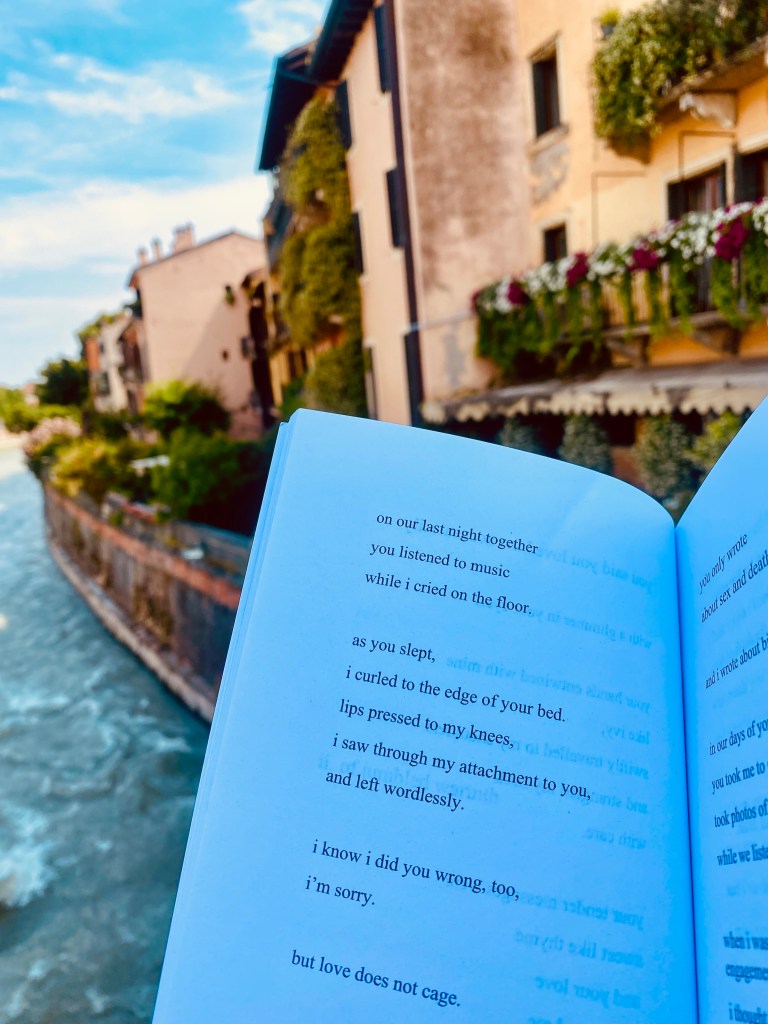
slighting bhakti poetry, the poems belonging to the “of jumbled warmth” section of ~ songs of youth ~ are poems i wrote which would most closely resemble what would be known as poems of love. sharing the ending stanzas of “you said you loved me accusatorily” from verona, the city of love!
*when i mused something similar, my very wise friend @flagrantambiguity noted that all poetry is love poetry in essence, only not in the customary way we think about love – which i *love*-d 🫀😁 because, indeed, to write a poem about something implies devotion to it – be it devotion to anger, grief or hatred. (my take!)

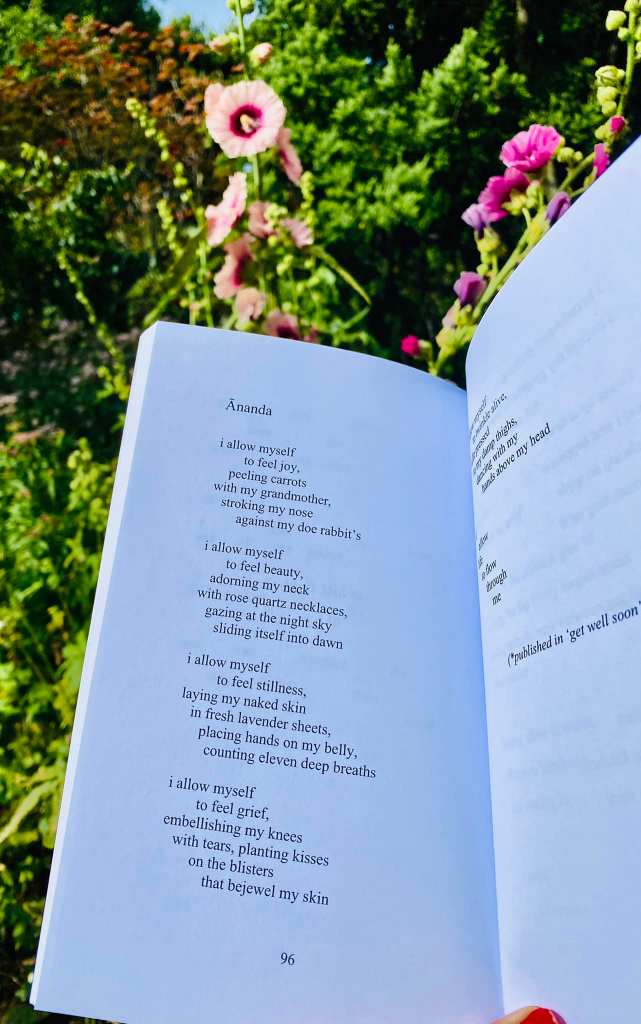

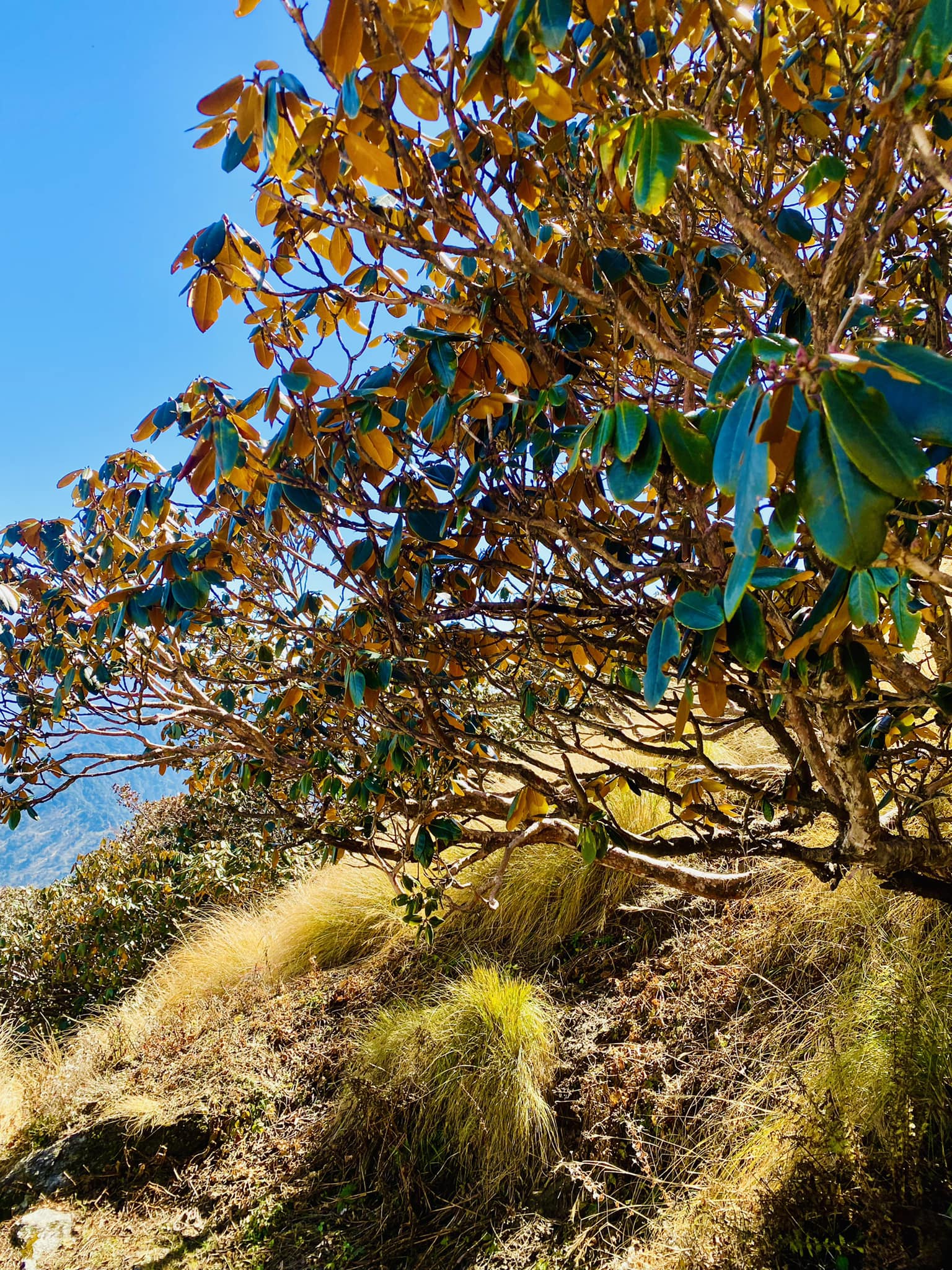


 when i read the last line, the chorus of the song ‘the archer’ rings in my head, most specifically the ache in “can you see right through me? they see right through me. i see right through me.” what i would tell my 18-year-old self now is, you can’t see through you yet. what you think you see is an antagonised & subdued version of yourself. few people can see through others, and those who can, have met themselves so deeply that they will meet you in corners you don’t know you have yet.

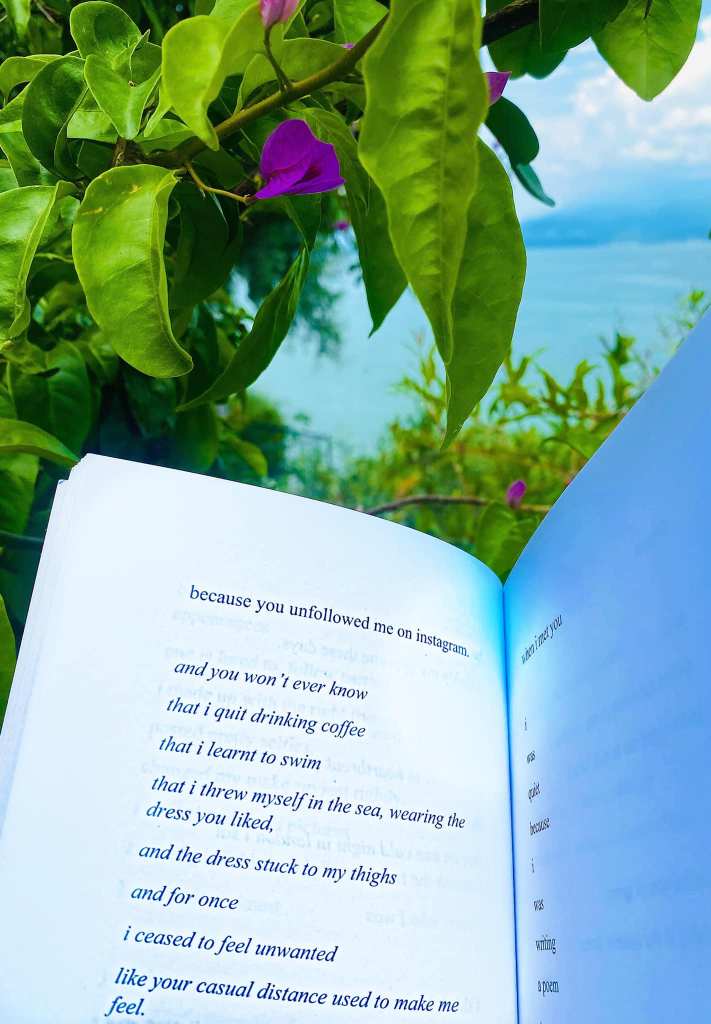
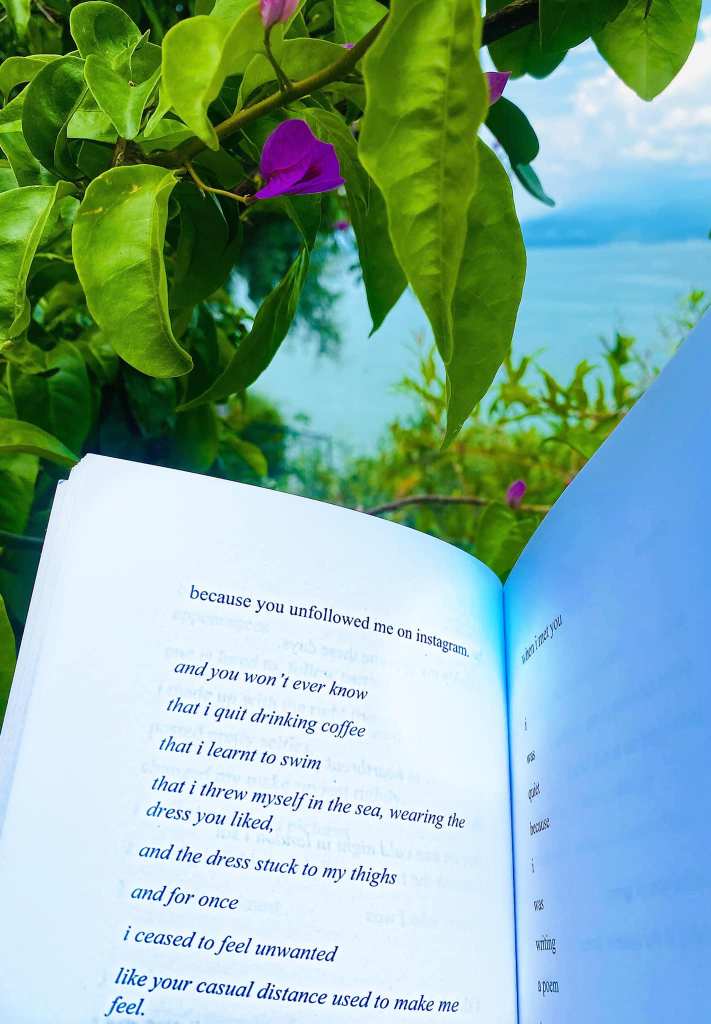

 dissolved in shades of blue in the dreamy lecco!
 poem from my upcoming poetry collection which tackles the blooming into young adulthood.
 amaryllis