amaryllis (/ˌæməˈrɪlɪs/[1]) – bears the name of the shepherdess in virgil's pastoral eclogues. it stems from the greek ἀμαρύσσω (amarysso), meaning "to sparkle", and it is rooted in "amarella" for the bitterness of the bulb. the common name, "naked lady", comes from the plant's pattern of flowering that blooms when the foliage dies. in the victorian language of flowers, it means "radiant beauty".
Something I find fascinating about the Critical Edition of the Mahābhārata is that the characters sporadically move from addressing Kṛṣṇa as an embodied mortal (as their friend, cousin, son-in-law etc) to addressing him as the Godhead; as Viṣṇu, as the Supreme Being, and as Īśvara. The succession of change between the modes of address can sometimes even happen on the same page, at a distance of a few lines. The veil is lifted, and the characters see through Kṛṣṇa’s illusion, and, through that, they become immersed in the nature of Reality; the veil promptly drops back, and God is lost.
An argument for this could be that the divine modes of address are interpolations, a theory being that Kṛṣṇa became identified with Viṣṇu only in later renditions of the Mahābhārata. While this could be true at the level of historical analysis of the epic, for me, there is a subtler teaching encased here: how all of us, without exception, glimpse into the nature of Reality as we move through life, yet we perpetually proceed to return to becoming engrossed in the superimpositions we project upon Reality; and the dance continues. From Truth to dream, from dream to Truth. It is quite endearing, really. What committed and imaginative dreamers we are!
Adyashanti once talked about how one inadvertently glimpses truth; it is, after all, inescapable as it is our nature; the trick is not forgetting / losing the glimpse.
you held me all night, my Lord unseen to the eye, your grace, a lover’s touch, wrapped my skin unheard to the ears, your name, my japa, vibrated through my braincells
Monsoon One, do you long for me as fully as i long for you? do you call on me as ardently as i call on you? you do, don’t you, my Lord? i am not alone in this quest
for every step i take towards you, you take two towards me for every tear i spill in yearning for you, you ignite vīrya in my skin tissue for every test of yours that i fail, you yank me freer of delusion
i see it now, Hari. you have been pulling me by my hair and hands to you. it was all you. it was always all you.
if i run to you as fast as my legs can take me, will you meet me halfway?
you will, won’t you, my Lord?
🦚 Happy Kṛṣṇa Janmāṣṭamī! 🙏 poem from my upcoming collection “the Monsoon One and the pilgrim”. 💛
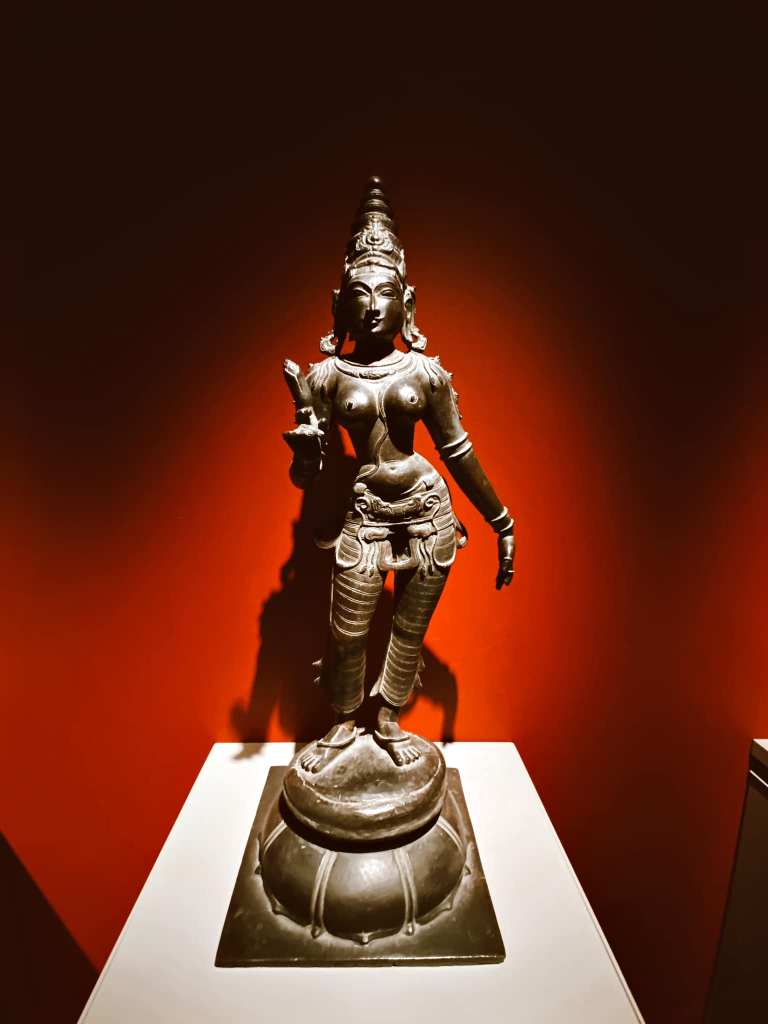
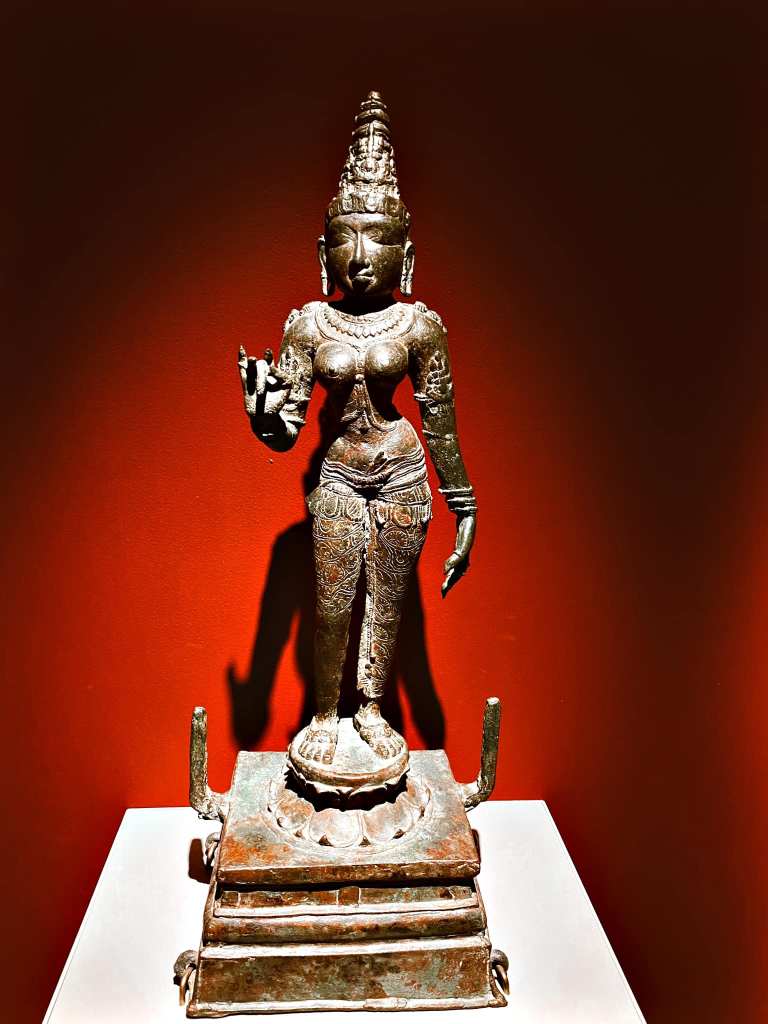
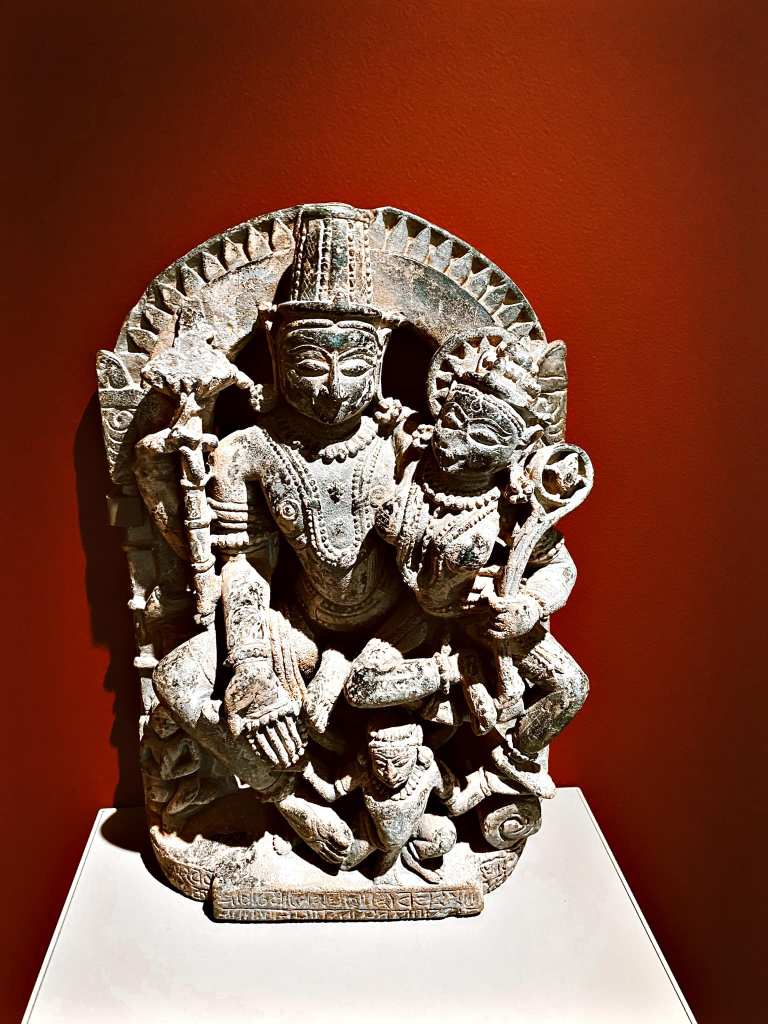
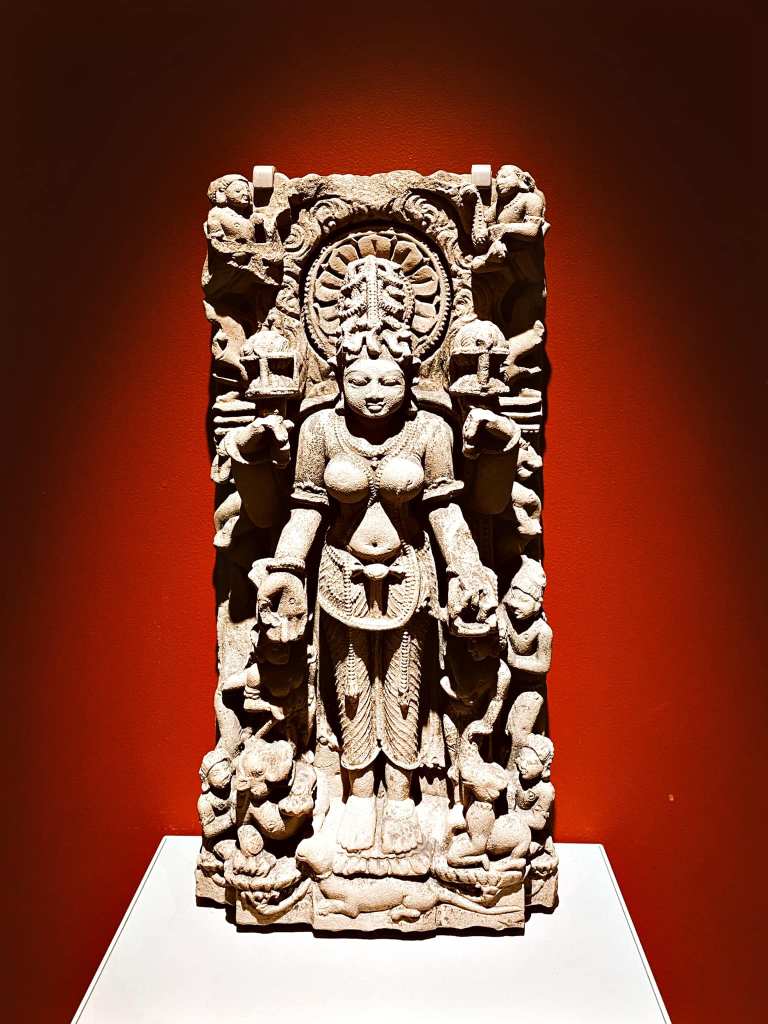
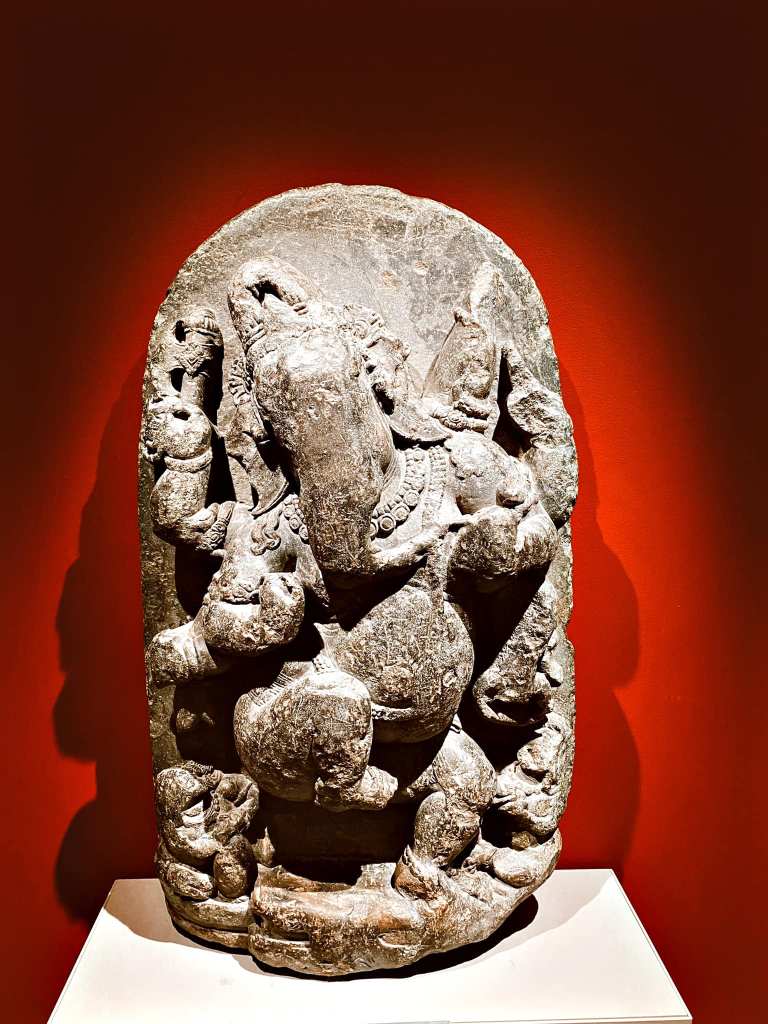
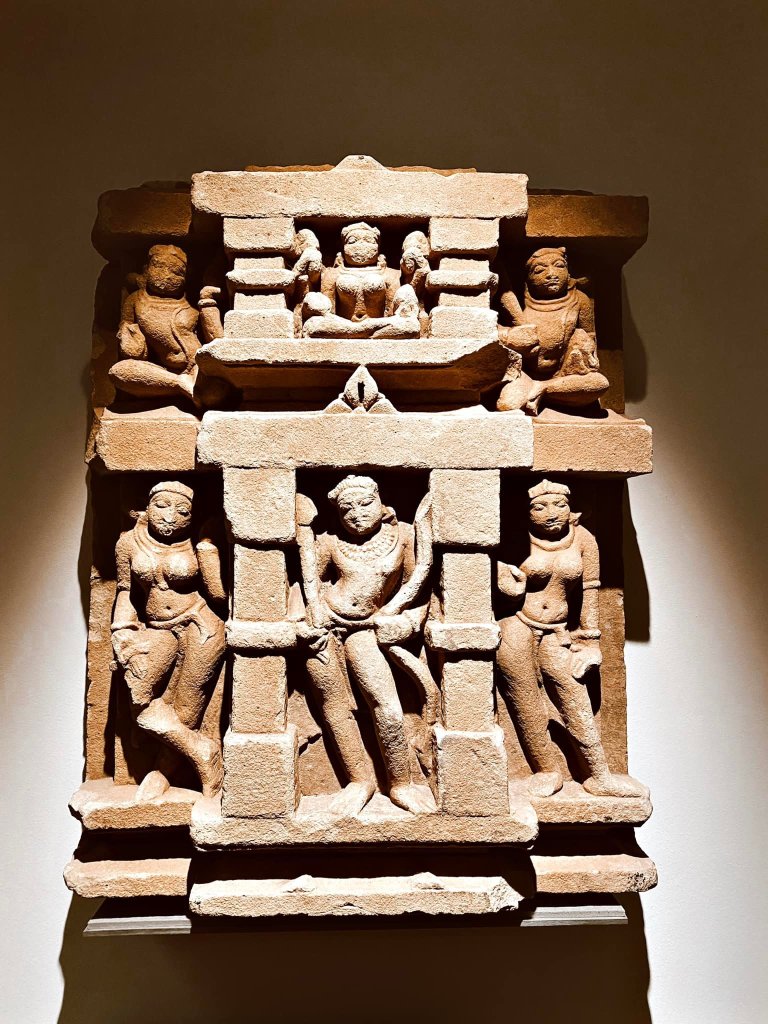
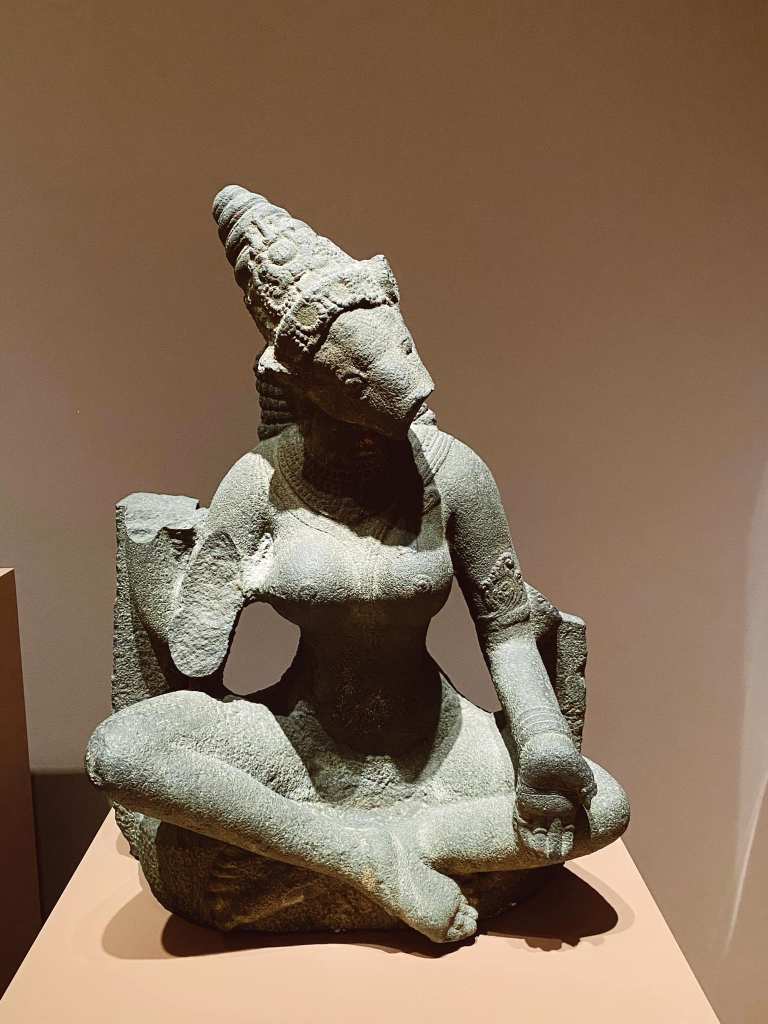
i have had the great fortune to visit the United States for the very first time to be with my saṅgha, and, during my trip, i had the opportunity to visit UMMA. i was mesmerised by its South Asian collection! not only are the sculptures magnificent in their precision and beauty, but their descriptive texts are poetry. attaching excerpts below.
1. Durgā on her lion mount
“In caves and temples, in metal and stone, artists captured the ferocious energy of the Goddess as revealed in her heroic victory [over Mahiṣāsura]. Here, her quiet grace signifies her boundless strength. Her round breasts and belly push forth from beneath her skin, indicating the distinctly feminine force behind her awesome capacities.”
2. Vārāhī
“She is boar-headed, and her rear hands would have held signature weapons. She has taut, youthful flesh and full breasts, signifying fecundity. Her crossed legs form a cradle, offering a tender sanctuary.”
3. Devī
4. Śiva as Bhairava
“Śiva’s sensuous pose and levity communicate liberation as a result of contemplating death in lone wanderings through vast cemeteries.”
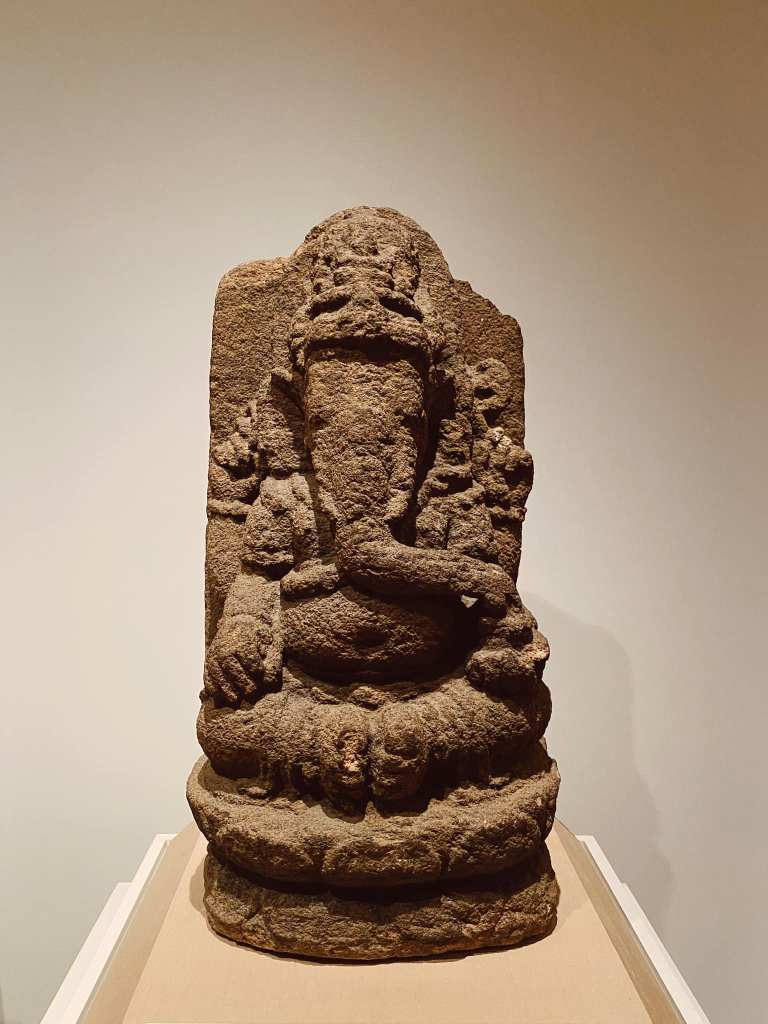
5. Pot-bellied Ganeśa, endearing and gentle
6. Viṣṇu
“There is an intimate relationship between the God’s body and his sculptural surroundings: two arms are embedded in the plane behind him, while two project forward, echoing the curved bell of his hips. A garland unites the planes of carving in an elliptical halo, framing his body for the gaze of his devotees.”
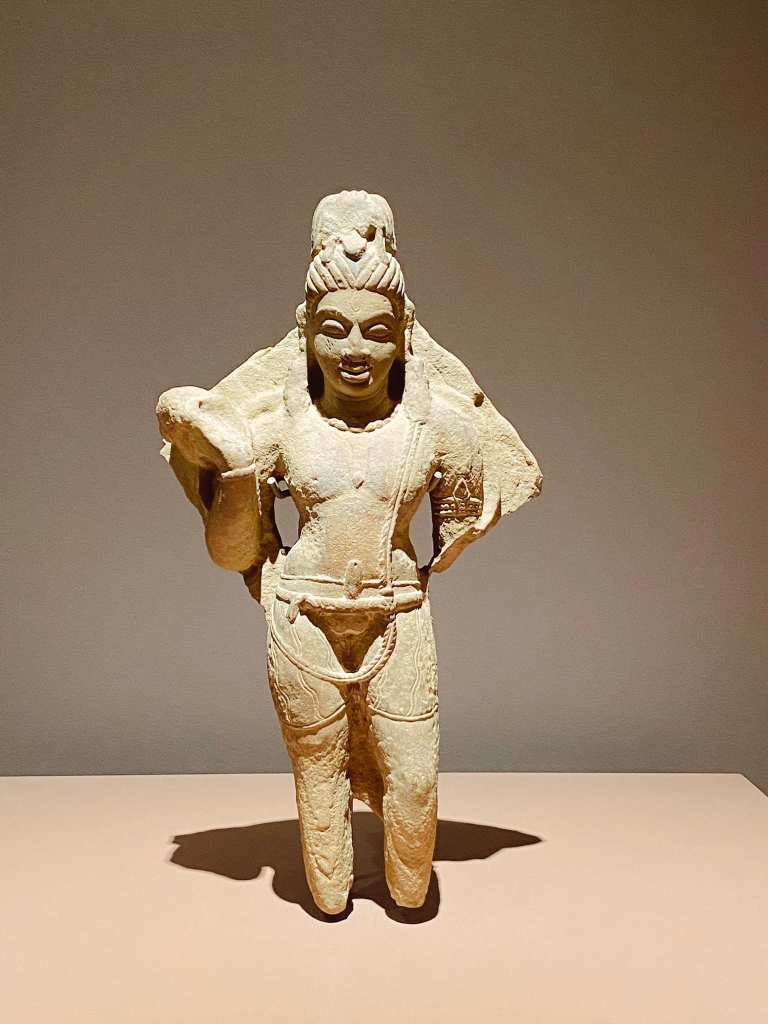
7. Śiva
“Here, he is shown in his role as the divine ascetic or yogi, unclad but for an animal skin about his loins, with matted hair piled high on his head.”
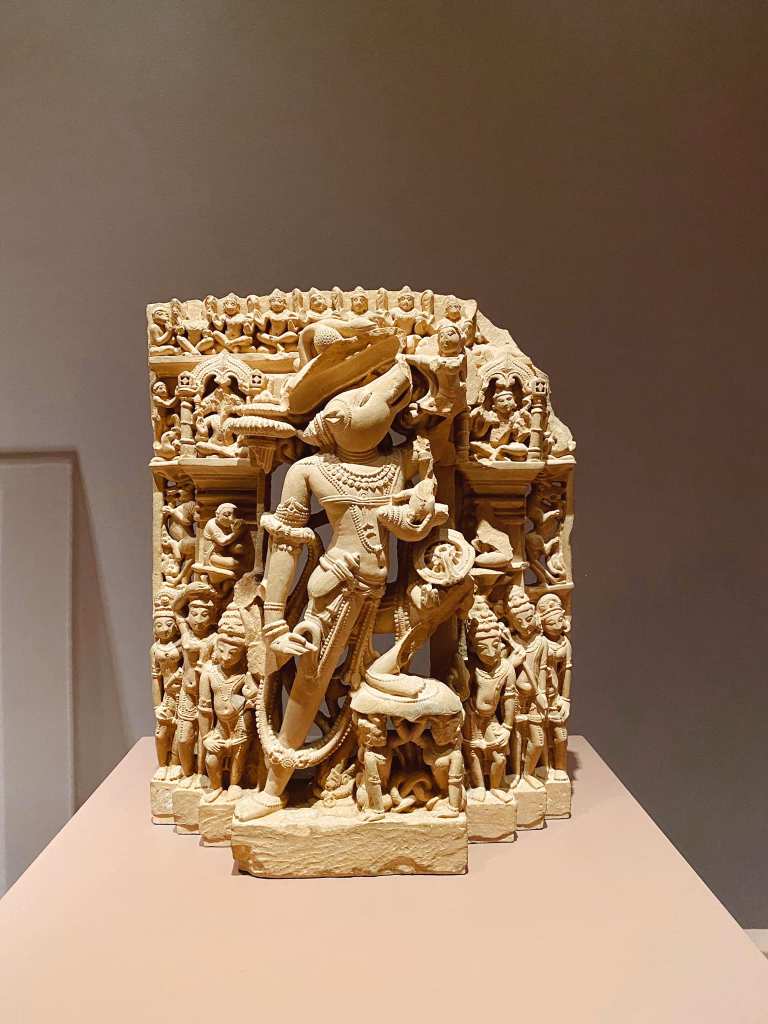
8. Viṣṇu as Varaha
“The body of Viṣṇu’s boar-headed incarnation, Varaha, forges a diagonal bolt through this sculpture. His right foot is planted decisively at the corner of its projecting base; his left is flexed for leverage on a lotus pedestal. Against these rooting forces, his body surges upward, culminating in an acutely raised snout”.
days of sweetness, study, laughter & wonder spent in retreat in Detroit! days of belonging, of returning home.
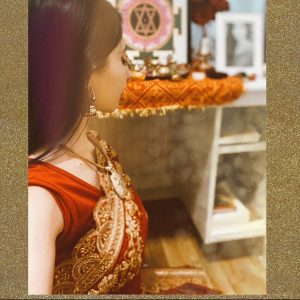
finally… an ode to the Siri Jyoti Pūjā! it is difficult to imagine a more beautiful way to spend my first day in the United States than by attending the Siri Jyoti Pūjā (“the wealth of light”, pūjā designed by Śrī Amṛtananda Natha Sarasvatī), conducted by my beloved teacher. ❤️♥️❤️ to have offered my poetry to Devī & Nārāyaṇa within this pūjā has been most precious… overflowing!
“to sing and dance through the Śrī Cakra”… (Śrī Vidyā Trust)
The Siri Jyoti Pūjā, which translates as “wealth of light”, is an exceedingly auspicious ritual designed by Śrī Amṛtananda Natha Sarasvatī, affectionately known as Guruji. The Pūjā is described by the Śrī Vidyā Trust of Devipuram as a group ritual that is performed to the Śrīcakra, which opens one to the immense benefits of performing the cakra pūjā within: “Doing this enables us to enjoy life, sing, and dance through it.”


 awe!
awe!












 amaryllis