amaryllis (/ˌæməˈrɪlɪs/[1]) – bears the name of the shepherdess in virgil's pastoral eclogues. it stems from the greek ἀμαρύσσω (amarysso), meaning "to sparkle", and it is rooted in "amarella" for the bitterness of the bulb. the common name, "naked lady", comes from the plant's pattern of flowering that blooms when the foliage dies. in the victorian language of flowers, it means "radiant beauty".
Author: Téa Nicolae
🌸 poetess and scholar 🌸 a Devī-bhakta 🕊
🌙 I wore myself out, looking for myself.
No one could have worked harder to break the code.
I lost myself in myself and found a wine cellar. Nectar, I tell you.
There were jars and jars, and no one to drink it. 🌙 Lallā
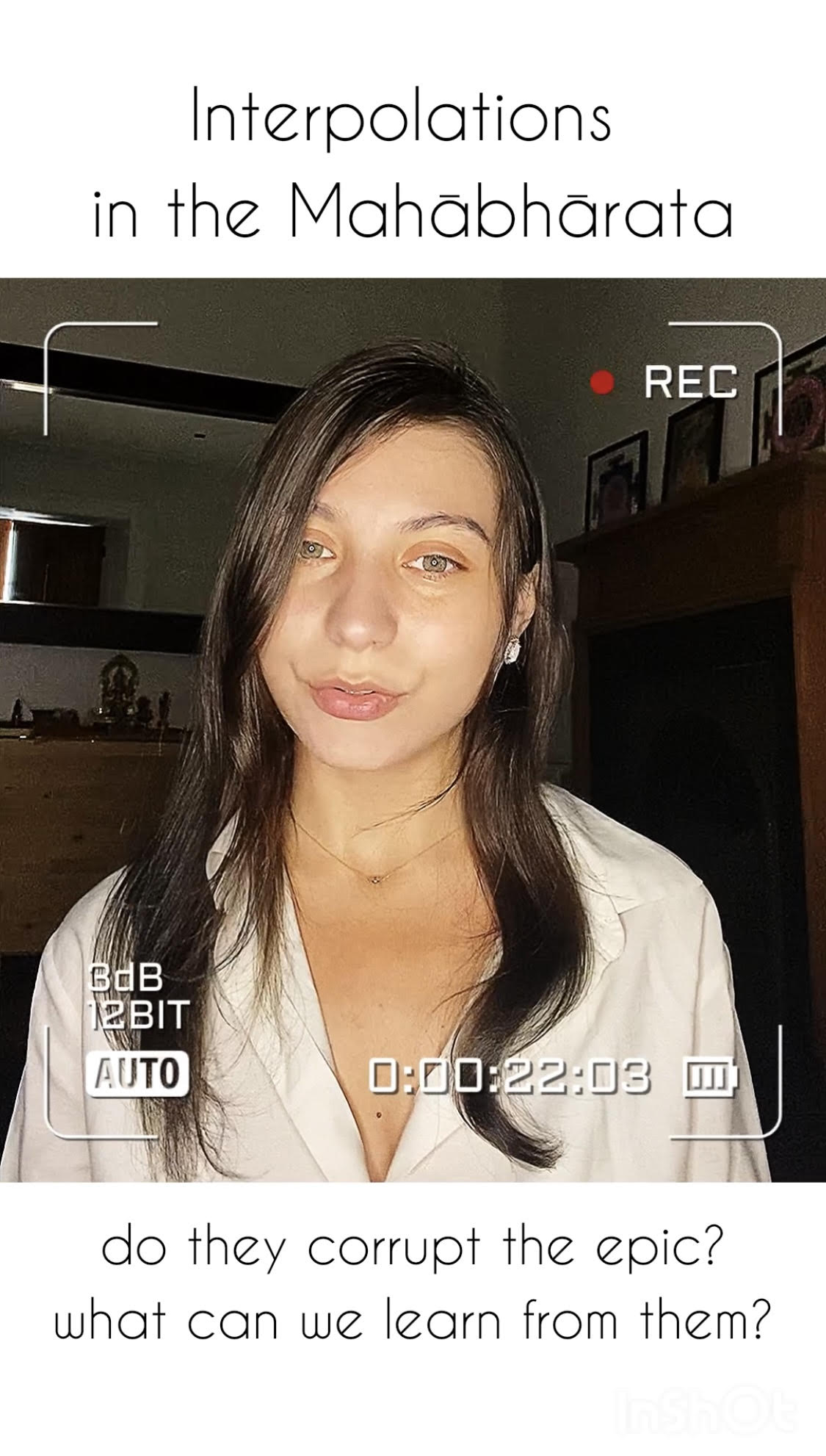
various feminist scholars have accused the Mbh of misogyny and of not expressing the female experience in depth, claims which i would heavily disagree with. i will unpack my arguments in further videos, but the angle that i want to present today is related to my previous video, in which i talked about how all perspectives are contained within the Mbh, and it itself states so. i would like to offer the perspective of the Mbh being a dialogue, which i learned while studying with Dr. Brian Black at Lancaster University during my postgraduate degree.
🌸 what kind of dialogue? between its characters, between different ways of life, different perspectives, between us, the audience, and the epic itself; it does not have an inherent opinion on the characters presented there: everything we learn is from someone’s perspective, either the narrator of a particular story, or the way characters relate to each other. so, are there misogynistic perspectives in the Mbh presented by certain characters? yes; as, similarly, there are misogynistic takes in the world today. the Mbh is more like a neutral observer, i would say; it does not uphold certain views, it merely documents them and invites you to contemplate them, absorb or challenge them.
because dialogue relies on context, it is very important to understand the context of an event in question to understand its nuances.
to demonstrate this, i will use an episode from the Mbh in which Yudhiṣṭhira expresses a misogynistic comment. this happens in the 13th parva; in a conversation with Bhīṣma, Yudhiṣṭhira asks him in an exasperated manner, why are women so deceitful and hard to please? (13.39) context: the war ends, and Draupadī’s sons are unlawfully slaughtered during a night raid. Yudhiṣṭhira faints when he hears the news of his dead son and nephews, then asks Nakula to bring Draupadī to the camp, lamenting that yet another sorrow would fall upon his beloved. Nakula brings a grieving Draupadī, who lashes out at Yudhiṣṭhira and aggressively congratulates him on winning the war and on becoming emperor, the undertone of this being: at what cost? (10.11) additionally, Yudhiṣṭhira is hit by a revelation from Kuntī, his mother, which greatly disturbs him; later on, an exasperated Yudhiṣṭhira asks this question to Bhīṣma.
now, is Yudhiṣṭhira misogynistic? i would say no; in fact, he later praises Draupadī’s merits and speaks highly of other women. is this contradictory? i would also say no; i think this episode showcases a very humane moment between two characters found in a moment of crisis, in which their children were murdered, and they express their pain by lashing out irrationally. in my view, it showcases how messy and multifaceted we are as humans, which, for me, is one of the great beauties of the Mbh. 💗
pt. 2: on authorship
an argument several scholars have put forward is that the Mbh tells stories of men, and it has been written by men, for men. i would maintain that the first part of this claim can easily be deconstructed through the stories of incredibly empowered and empowering female characters such as Draupadī or Sulabhā.
although authorship of the Mbh has been indeed given to sage Vyāsa, the fluid nature of the epic, with many interpolations and changes made to its structure and with contributions which are anonymous in nature, has led scholars to claim that these changes were created by men, and, in this, the Mbh cannot properly encapsulate or express the female experience because women did not write it.
i will present a simple counterargument, emergent from discussions with Dr. Brian Black and my colleagues during a seminar at Lancaster University; more accurately, a question: how can we know this with certainty? how can we know that women did not contribute to the changes and interpolations that emerged in this epic?
i personally find it quite reductionistic and simplistic to automatically assume that women did not write these stories, or contribute to, for example, the creation of Draupadī’s narrative arc; i think this is exactly an assumption that could be misogynistic in itself, one stemming from a projection of women’s silence, namely to assume that such a great epic, which has shaped and moulded the culture in south asia, has not had any female contribution.
i would ask, why is this the automatic assumption that we make? 😊
listen to me speak more on these two subjects on my TikTok or on my IG account dedicated to my research: @musingsonthemahabharata.
so, did Draupadī laugh at Duryodhana in the Palace of Illusions and did she insult Karṇa at her svayaṃvara? no. neither of these events appear in the critical edition of the Mahābhārata, and they are considered interpolations coming from uncertain sources.
how do we relate to these, however – considering that they are now completely imbued in the South Asian collective consciousness?
devoid of frustration! we relate to them in a way that is devoid of frustration. 😁 this is my first answer because i used to be very frustrated with interpolations, especially with those that, in my view, vilified Draupadī in any way. inquiring into my intense reactivity triggered by these led me on a rich introspective process, in which, first, i questioned the depths of my identification as a woman to Draupadī’s character (will write more on this in the future!). second, i began questioning how important it is for the Mahābhārata to remain intact in popular culture and in retellings, and if these interpolations corrupt the epic. one of the conclusions that i have reached, which i will expand on in my PhD thesis, is that these interpolations and retellings can teach us about how society has progressed through time, and can teach us about what moves us as humans, and about the ways we continuously try to make meaning and to find reflections of ourselves in the external world. for instance, interpolations that might vilify Draupadī’s character, in my view, can pinpoint to blind spots in society which can uncover latent misogyny, whereas interpolations which glorify Karṇa can pinpoint to people’s identification with his particular character, which to many represents a symbol of class struggle. in this, i believe there is much to uncover; as scholars, and i have been guilty of this, we usually tend to dismiss interpolations, and i would maintain that we lose a lot by doing so. because everything is valid, and i would argue that every single retelling can teach us more about the ways in which this epic is actually lived, and comes alive for people. 🖤
did Draupadī’s disrobing ‘really’ happen?
yes, as in, it appears in the critical edition, and it is not considered an interpolation. there have been scholars who have argued for Draupadī’s disrobing to be recognised as an interpolation (one scholar in particular) but their claims have been rebuked.
however, i do not want to talk about the validity or invalidity of these arguments, but, as a follow-up to my previous video, i want to briefly discuss what i find most fascinating about these debates on interpolations, which is that i think they mirror back to us our own possible blind spots and our biases as researchers. this is a great generalisation, but i have noticed that people who are more drawn to argue for Draupadī’s disrobing being recognised as an interpolation might be more dismissive of the female experience as a whole in academia or in various strands of literature, whereas, for those of us belonging on the other side of the spectrum, our blind spots might be being too entrenched in validating the female experience or in being overfocused on it, and i count myself in this category. i believe there is worth to blind spots, though – i think they can be important or can work to our advantage in relative terms, in the same way overattachment to our own research can – in the sense that, both can provide fuel for our work as well as solidify belief in it – so, nothing is good or bad, no binary thinking here! 😁 but, i do think that this can be a very fruitful area for contemplation for each of us, in which we could question our overattachment to a particular argumentative thread. what can be mirrored back to us through it? for instance, i find that a lot of my attachment to certain narrative threads can mirror back to me my attachment to my female identity; which, again, if channelled properly, can be great fuel, but i do find it important for me to hold it in my awareness and deconstruct it internally if not externally through the means of, for example, an academic paper.
how everything can be great fuel for inner work – even academic research! 🤍
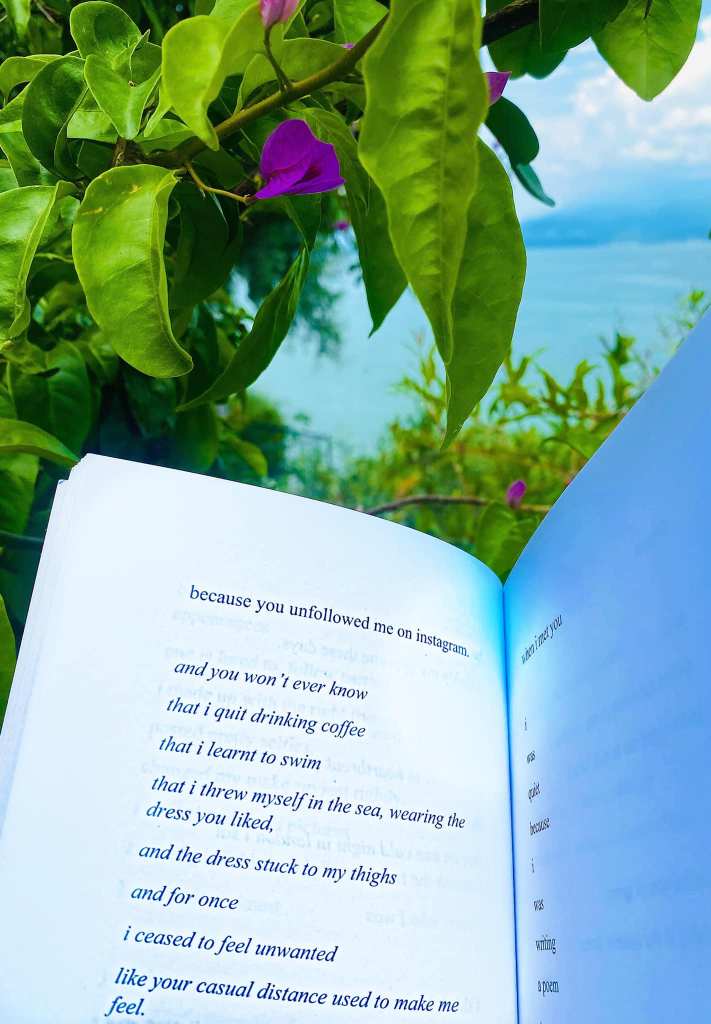
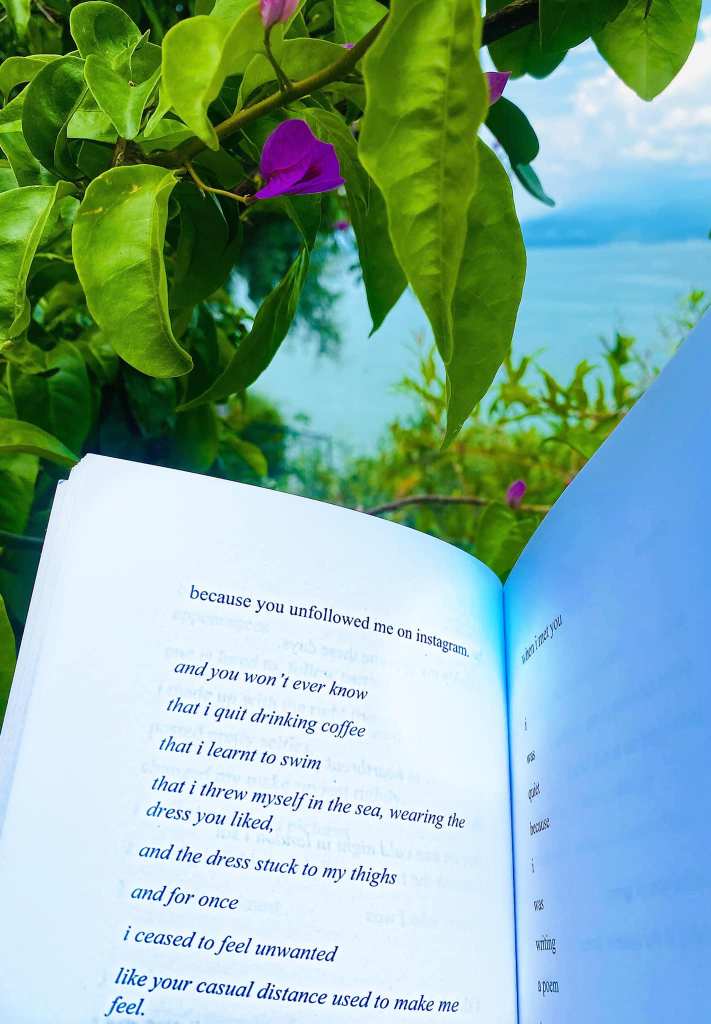
written at 18 years old. when i read the last line, the chorus of the song ‘the archer’ rings in my head, most specifically the ache in “can you see right through me? they see right through me. i see right through me.” what i would tell my 18-year-old self now is, you can’t see through you yet. what you think you see is an antagonised & subdued version of yourself. few people can see through others, and those who can, have met themselves so deeply that they will meet you in corners you don’t know you have yet.
you can read the poems i wrote in my teenage years in my collection songs of youth
i wake up at dawn and i find happiness in slicing an apple and munching on it
𝘣𝘳𝘦𝘢𝘵𝘩𝘦 𝘪 𝘢𝘤𝘤𝘦𝘱𝘵 𝘮𝘺 𝘨𝘳𝘪𝘦𝘧
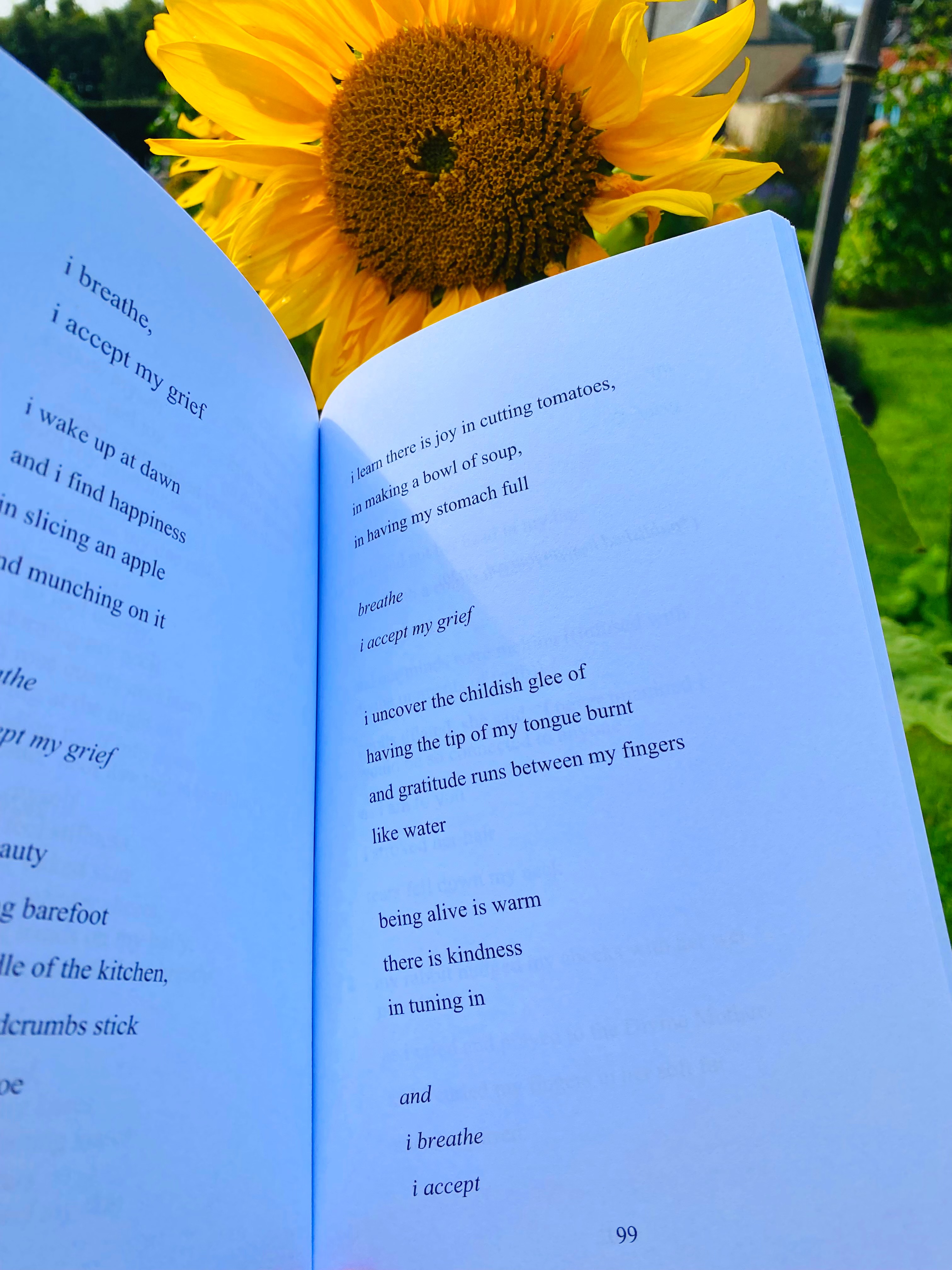
i find beauty in standing barefoot in the middle of the kitchen, feeling breadcrumbs stick to my pinky toe 𝘪 𝘣𝘳𝘦𝘢𝘵𝘩𝘦 𝘪 𝘢𝘤𝘤𝘦𝘱𝘵 𝘮𝘺 𝘨𝘳𝘪𝘦𝘧 i learn there is joy in cutting tomatoes, in making a bowl of soup, in having my stomach full
𝘣𝘳𝘦𝘢𝘵𝘩𝘦 𝘪 𝘢𝘤𝘤𝘦𝘱𝘵 𝘮𝘺 𝘨𝘳𝘪𝘦𝘧
i uncover the childish glee of having the tip of my tongue burnt and gratitude runs between my fingers like water being alive is warm there is kindness in tuning in and
𝘪 𝘣𝘳𝘦𝘢𝘵𝘩𝘦 𝘪 𝘢𝘤𝘤𝘦𝘱𝘵 𝘮𝘺 𝘨𝘳𝘪𝘦𝘧. ☼
from “at last, light: of joy”, the third section of my “songs of youth”. 🌻 {amazon u.k.: https://amzn.eu/d/0duef5g}
the darkest side of academia that the dark academia genre exhibits to me is the ivory tower. the superiority complex. the snobbery. deluding yourself that you are superior to other human beings because of your accumulated information, information used as justification to behave with contempt.
i’ve recently read the brilliant The Secret History by Donna Tartt, a staple book of the dark academia genre, and what marked me was the contempt with which the exceptionally intelligent group of main characters treated everything: from the people around them to technological advancements and innovations in any field which was not theirs (namely, the classics).
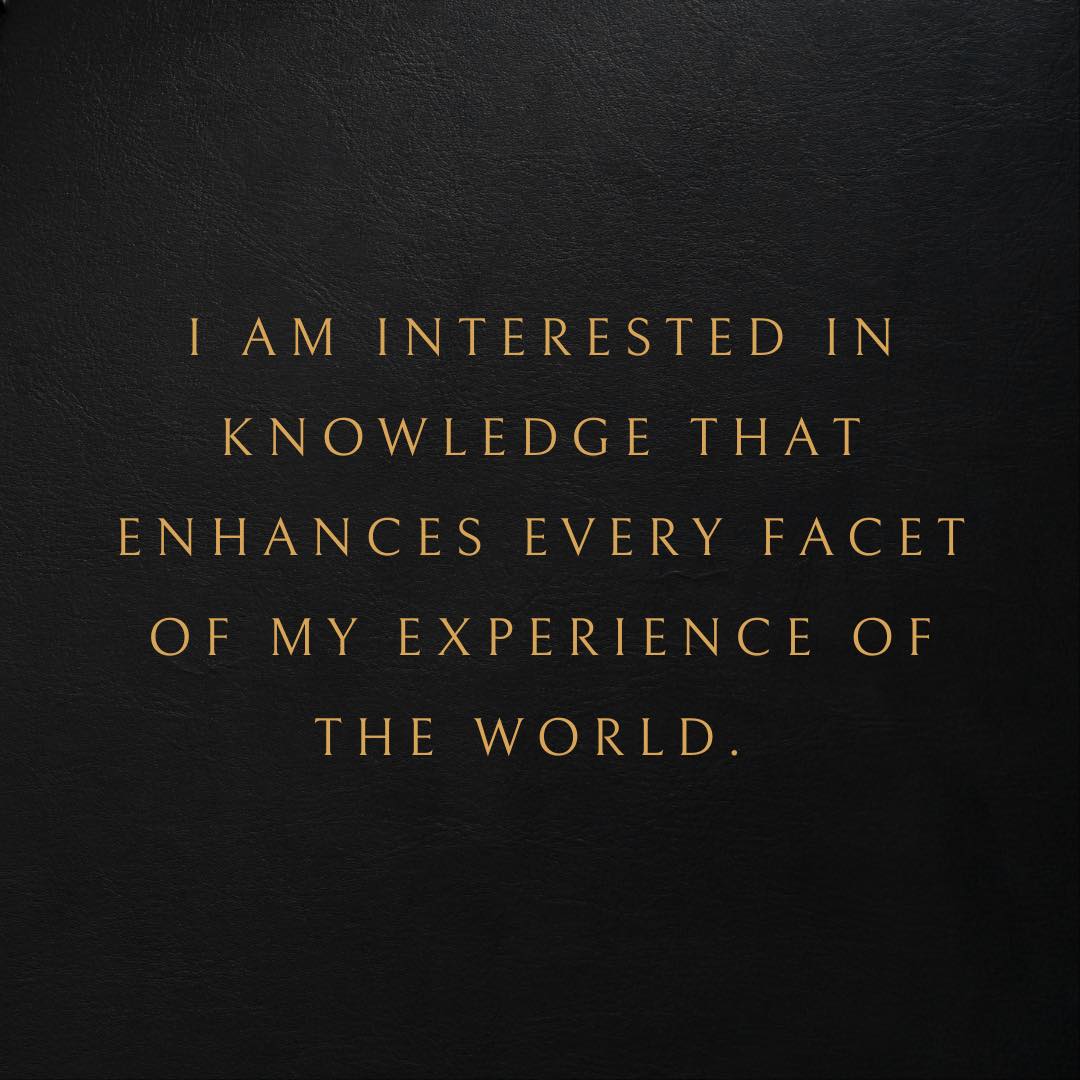
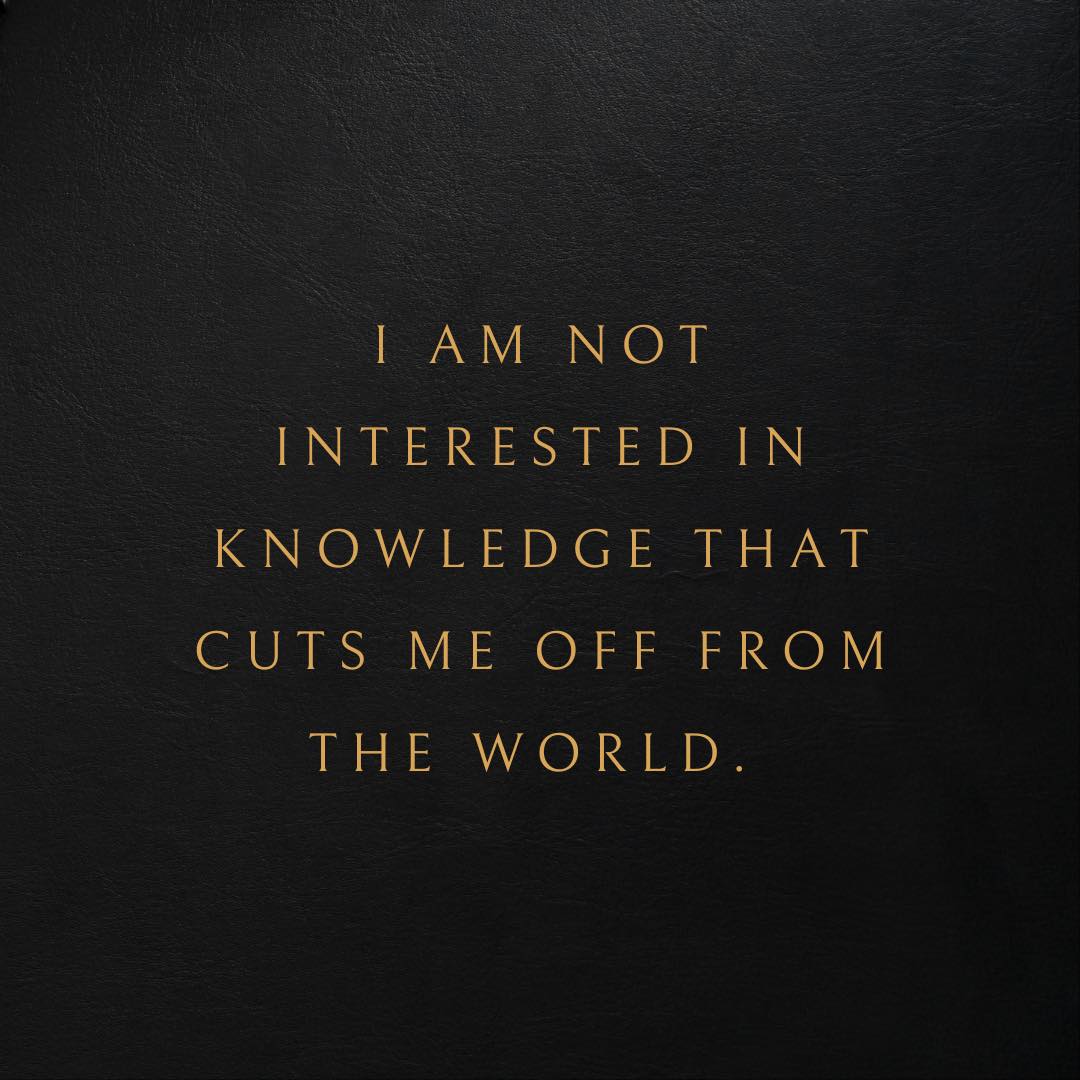
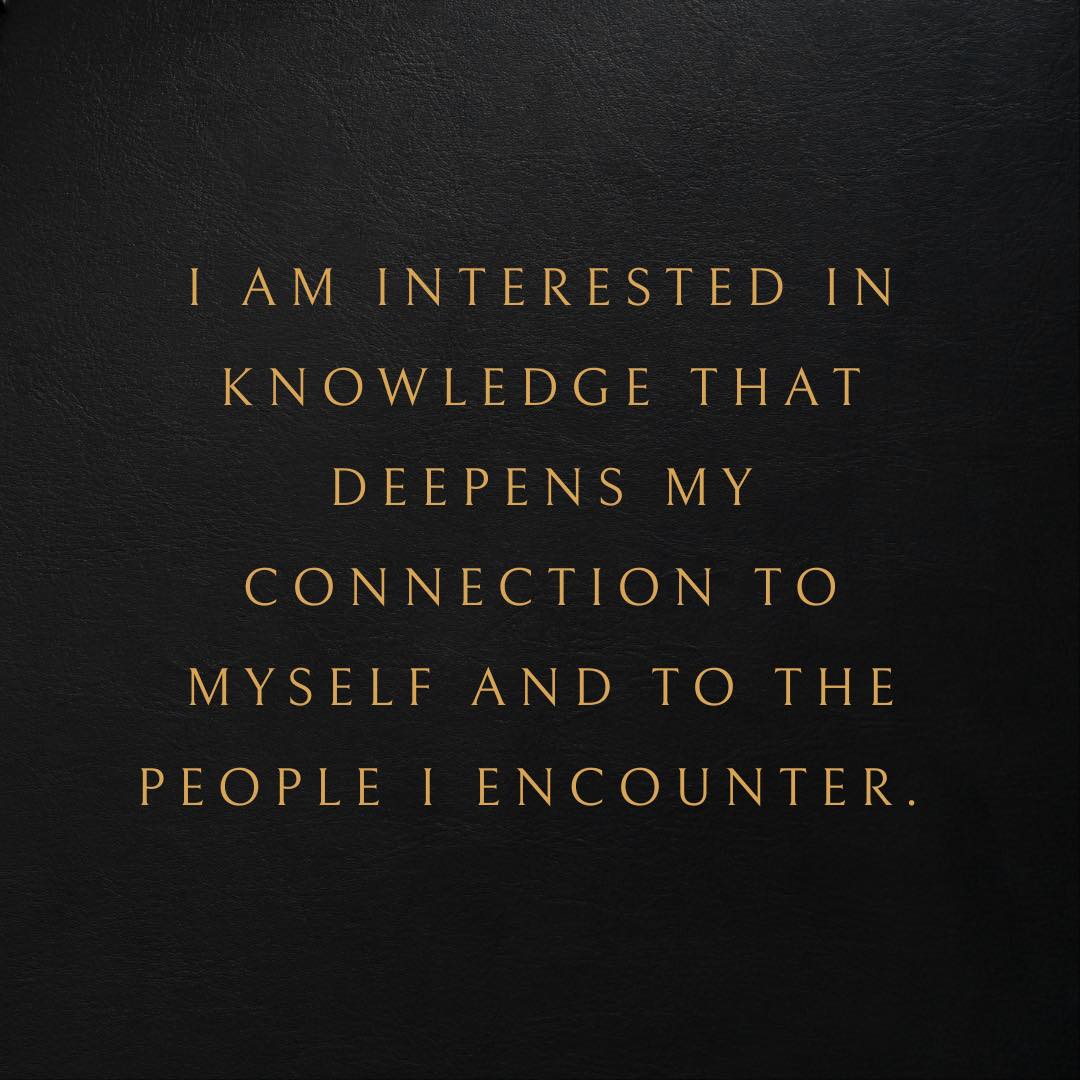
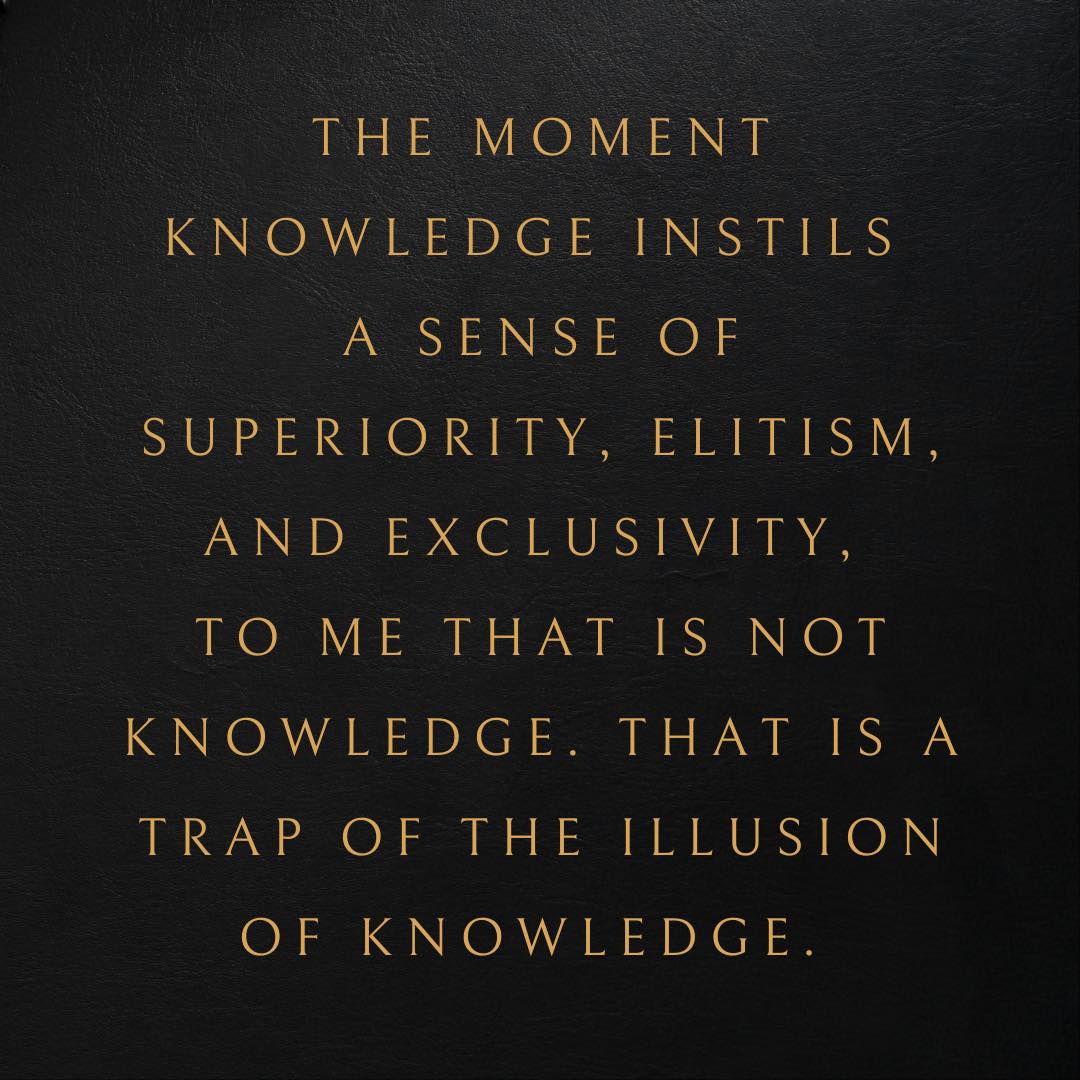
i’ve been contemplating that, personally, i am not interested in knowledge that cuts me off from the world. i am interested in knowledge that enhances every facet of my experience of the world. i am interested in knowledge that deepens my connection to myself and to the people i encounter. the moment knowledge instils a sense of superiority, elitism, and exclusivity, to me that is not knowledge. that is a trap of the illusion of knowledge.
the trap will come, and i’ve seen it in me plenty: at our core, we are meaning-making machines and our identity is built on separation, comparison and rejection. the mind will feed into the making of identity any information it gathers. but ultimately we are not slaves to it. when the allure of superiority peeks its head, it can be deconstructed – not from a place of fear or shame, but from a place of understanding and gentleness. that is knowledge to me. what excludes that, to me, is accumulation of information.
i love reading dark academia books because they mirror back to me my ingrained patterns (such as fascination with exclusivity; exclusive teachings, teachers such as Julian Morrow – writing an article on him at the moment!) & the many traps paving the / my way.
I have been asked on Tumblr how the Mahābhārata answers to the question of suffering (is suffering important? why? how?). First, this is an amazing question which hadn’t occurred to me to ask myself in relation to the Mbh, so I’m grateful for this prompt.
Second, I wouldn’t say that the Mahābhārata distinguishes suffering as important, but it does establish that it exists. All its characters undergo extreme suffering: from sexual assault to losing and grieving children, beloveds, friends, subjects. No character is spared from grief, and, in this, suffering is established as an inevitable reality of the human experience.
However, as scholar Emily Hudson argues in her book “Disorienting Dharma: Ethics and the Aesthetics of Suffering in the Mahābhārata”, there is another dimension the epic offers to the question of suffering, which is that of confronting it. Confronting suffering “involves cultivating a clear sense of the factors that contribute to human misery” (p.33) which the epic, I join Hudson in maintaining, equates with “the quality of one’s mind (manas)” or “intelligence (buddhi)”.
In a significant scene that occurs in the aftermath of the war, Yudhiṣṭhira, crippled by guilt and loss, refuses to rule, and wishes to renounce the world and his responsibilities in an effort to both punish himself and escape his pain. Kṛṣṇa, Draupadī and the other four Pāṇḍavas each give individual speeches to Yudhiṣṭhira in which they attempt to convince him that he cannot do so, that he has a duty to uphold, and, most fascinatingly, that the intensity of his suffering is derived from a misunderstanding of reality.
Most beautifully, Yudhiṣṭhira is told by Kṛṣṇa and Bhīma that “the battle he now must wage is the one with his mind (manas)” and he is to accept the impermanence of existence (Hudson, p.33; Mbh; 12.16.21-25; 14.12.1-14).
My understanding of this exchange is that, suffering will come. However, the extent to which we suffer is dictated by the clarity of our perception. One will naturally grieve death and loss and experience sorrow; however, the narratives we create around these emotions or experiences will dictate whether we remain stuck in them, or whether we welcome them as transitory states that experience themselves through us.
Just as Yudhiṣṭhira falls to his grief, yet picks himself up and rules, so can we.
Many thanks again to the Tumblr user from London who asked this question – if anyone has any other question, please, all are welcome here! Receiving questions from different perspectives is helping me see the epic in new ways in which my mind might not take me on.
Painting: The Destruction of the Yādavas. Unknown artist – do let me know if you know the artist!
I am incredibly honoured and moved to share that I am being awarded the Edinburgh Doctoral College scholarship of the School of Divinity and will be commencing my Ph.D. at Edinburgh University in September with full funding for my research, and with a thesis entitled (as of now!) “The Goddess’s Descent to Earth: In Dialogue with the Reimaginations of the Mahābhārata’s Draupadī”. I am extremely grateful to Professors Mark Harris, Alison Jack and to the board of the School of Divinity for believing in my work. There were times when I was close to not believing in it myself, but the love for the work has pulled me to keep moving forward even in the greatest moments of doubt. More exactly, the love has grown to be greater – and, to be honest, more interesting – than my doubt or uncertainties about myself, which are less exciting to follow than the mysteries that are to be uncovered.
Once, a teacher of mine shared that, if you quiet the mind and listen to your depths, you will be able to feel a thread, a glimmer – pulling you to where and how life wants to move through you. Where that is, as well as getting there, could seem unattainable by way of reason or logic, but the thread will pull you through in ways unimaginable to your perception, with its current limitations and insecurities. This has been my experience, as well.
Follow the thread. Let the love for your work guide you and pave your path.
in my sixteenth autumn, Nature called me to her, burned into my cells the yearning to meet my depths and i tasted myself wildly in her fold until wisteria tangled my feet and life pulled me from myself by my hair and i lost the thread, the web, the call.
𝒊 𝒘𝒂𝒔 𝒋𝒖𝒔𝒕 𝒂 𝒈𝒊𝒓𝒍 i told the river as it broke through my skin i forgot the lessons, i forgot the actual call. i could only hear an echo of it and i followed fragments of memory. it seemed like the call. it felt like the call. it wasn’t. i was just a girl.
your terence said, if you are to follow, only follow Nature. it is funny, how sixteen autumns of cracking fire could understand what twenty springs of dimmed flame did not.
twenty four summers rekindle the fire with rage, bare skin and an open chest, and with my girlhood as the blood offering.
watch me answering your call again with my hair burnt and my thighs bled.
like the dragon woman who ate horseflesh in the red sea, i sink my teeth into my girlhood and consume it rapaciously in the forest.
mad eyes, i pledge: this time, it will just be me, and you, and the wildness.
The Nāṭyaśāstra is a Sanskrit treatise on the performing arts, authored by sage Bharatamuni.
Most notably, it addresses the aesthetic theory of rasā, which translates from Sanskrit as ‘essence’, ‘taste’ or ‘nectar’. Herein, eight rasās are identified, which encapsulate the totality of human expression and experience:
śṛṅgāraḥ (शृङ्गारः) (loosely translated as love or eroticism)
hāsyam (हास्यं): (laughter)
raudram (रौद्रं): (rage)
kāruṇyam (कारुण्यं): (compassion)
bībhatsam (बीभत्सं): (disgust)
bhayānakam (भयानकं) (terror)
vīram (वीरं) (heroism)
adbhutam (अद्भु) (wonder, astonishment)
The Nāṭyaśāstra pinpoints the ultimate, supreme aim of any work of performance art to be titillating the interior landscape of the one in the audience to experience pure rasā.
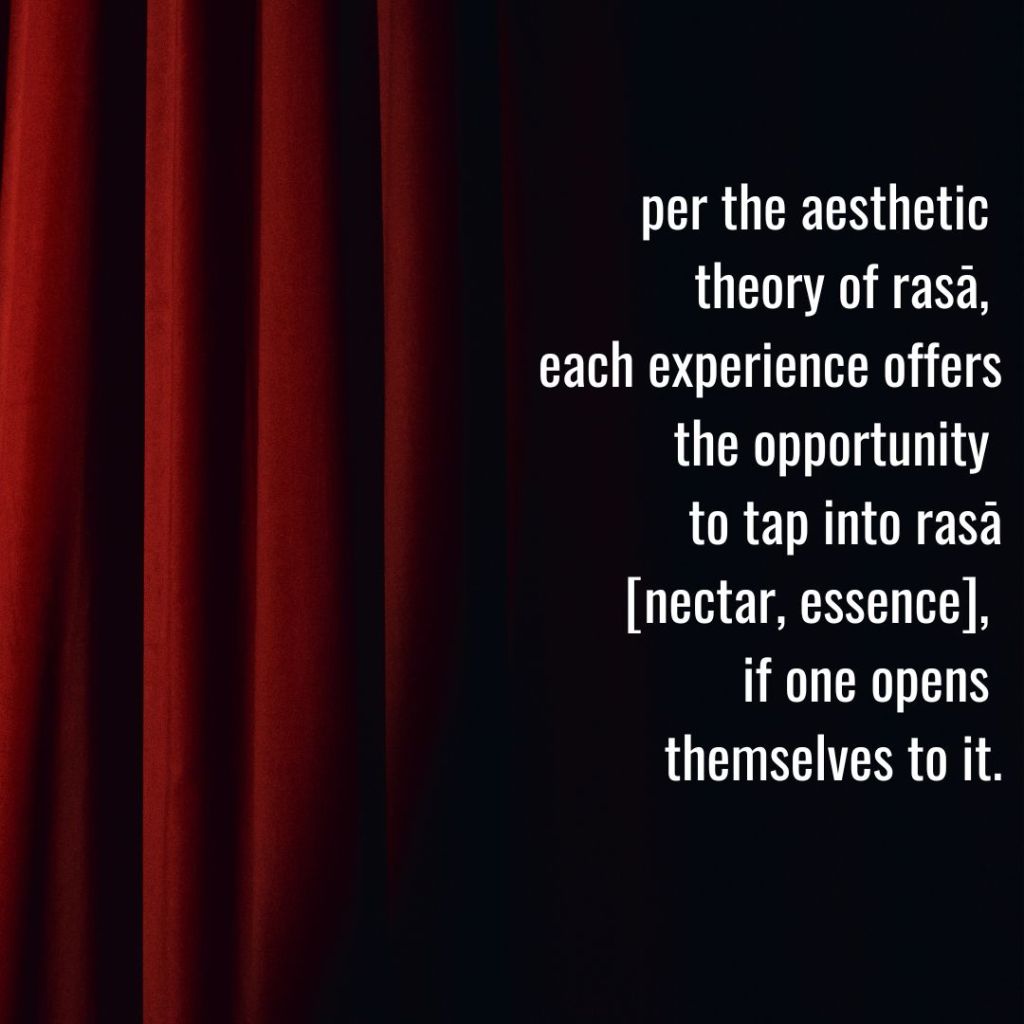
However, access to rasā in its purity is not limited to the performing arts medium; each experience offers the opportunity to tap into rasā, if one opens themselves to it.
Furthermore, rasās are given so much importance by Bharatamuni (and also by Abhinavagupta in his magnum opus Tantrāloka) because arguably it is by experiencing rasā in fullness that one can be offered a gateway to experiencing and understanding the essence of their being and consciousness.
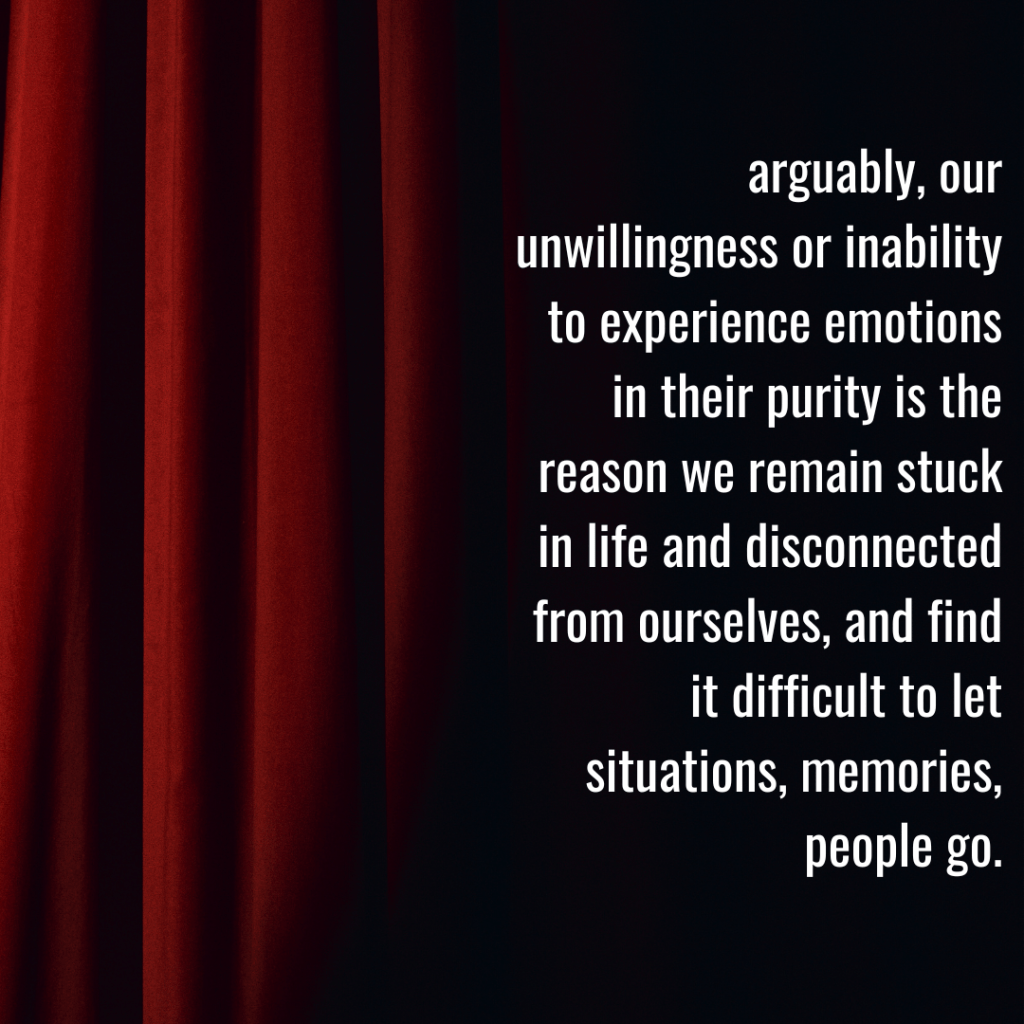
Customarily, we do not experience any rasā in its complete intensity, and we instead only taste it in partiality; muddled, adulterated. For instance, we rarely experience rage, partly because we are unwilling to open to its full intensity (perhaps out of preconceived notions of it being ‘wrong’, perhaps out of discomfort), and instead feel diluted anger. Our unwillingness to experience emotions in their purity is the reason we remain stuck in life, and find it difficult to let situations, memories, people go. (see more: The Theory of Rasa, Pravas Jivan Chaudhury, 1952)
The Nāṭyaśāstra: Life as a Stage
One of the precepts of the Nāṭyaśāstra is that life is play, and we live as actors on a stage: continuously being offered the opportunity to tap into rasā, and, ultimately, into the depths of our beings.
At the WB immersive, we had the opportunity to live this precept by playacting characters we chose or felt connected to. The darkened ambiance of the secluded Scottish manor we stayed in (which included a real-life bar located in the heart of the house!) was a rich opportunity to delve inward, effects of which continue to percolate for me. I won’t provide an account of the three plays we were engaged in, as I believe it would be futile to try to describe the experience, and a chronological or narrative account won’t serve anyone who was not there; I will however centre on the effects of it.
Interestingly, the experience of life as stage, not as lived for me while on-retreat — in which my direct experience was more one of passive enjoyment in the absorption of delight of the senses (with an emphasis on taste, touch, and sight) — began to dawn as gradual understanding in the aftermath of the retreat. It was not very conscious, but I began to find myself recognising the different characters or personas of myself that I slip into as my day unfolds and to see how my experience of myself is ever-changing.
Even being in my body feels gradually different as the day progresses; sometimes there is lightness in my body, sometimes there is heaviness, sometimes there is tiredness. Similarly, my mind feels distinct in different times of the day; sometimes it is busy, sometimes it is easeful, sometimes it is burdened. None the better, none the worse.
I believe there was always some awareness of this inherent fluidity in me, but, in my lack of clarity, it was addled with uncertainty or fear; do these shifts in ways of being mean that I am fake or inauthentic — an impostor about to be found out?
In a way, yes; in the sense that my idea of myself as the solid identity of Téa is indeed a false one; as in, it is unstable. I am not just one character, I am many characters that come to play within me and through me in, for instance, the short timespan of a day; the friend I am to one person is different to the friend I am to another person, the scholar at university is different to the daughter I am to my parents. One’s impression of me will be different from another’s impression of me.
Neither of these facets of myself invalidate the other, only point to the complexity and fluidity of being that is intrinsic to each of us.
These reflections, triggered by the Nāṭyaśāstra experience, led me to understand the playfulness of life more in the retreat’s aftermath. Like, I am just acting characters. As my generation would say, it’s not that deep.
I only need to experience each character to the fullest.
Unleashed Anger
However, this process also led to an unleashing of an emotion I have been repressing, namely anger, and with an encounter of what Carl Jung would call ‘the Shadow’. I could not emote anger during the retreat in neither of my playacts, which made me question what blockages I had around it. Sitting with myself, I examined both my emotional landscape as well as my past conditioning and began to see the hindrances around expressing and experiencing anger that I had, coming from spiritual conditioning which dictated that it was ‘wrong’, as well as from past experiences in which I did express my anger which I internalised as shameful, and in which I felt rejected for being true to myself.
Concomitantly, I also realised I had been blocking my anger through reasoning: I am a stoic at heart, and my first reaction to any event that occurs into my life is to unpack it from distance, third-person view.
Every time anger arose for me, my intellect labelled it as irrational and diminished the emotion by unpacking the event as neither right nor wrong, and as the person who triggered my anger as an individual found in their own process lacking any malicious intention. In the face of reason, I felt hindered to follow or express my anger.
It was irrational, after all.
This was a limiting perspective: first, not only are emotions irrational by nature, but, both perspectives can co-exist: I can be angry at someone while also holding in my awareness the discernment that the person is not inherently evil or wrong and reality is complex. But when it comes up, I can enjoy my anger and viciousness to the fullest, with the sole of intention of extracting the rasā out of it — which gives me the freedom of space: space in which I can choose to both channel it in creative ways, and not to project nor repress it, I find.
(To be noted that I am still very much a beginner in familiarising myself with anger so my reflections might change.)
Second, a loosening happens: even if I do have a slip in discernment and I end up projecting my anger or viciousness onto another (we’re not perfect, right?), it is not a catastrophic event. As I ultimately am just a character playing themselves to the fullest in that context.
It sounds all good and reasonable on paper, but this loosening in my intellectual process triggered a true unleashing of all the ‘negative’ emotions I had suppressed throughout the years, from pure rage to envy, which came to me in waves until they hit me in full force.
I have been processing this unfolding by referring to my beloved Carl Jung’s theory of the Shadow.
Jung and the Shadow
Filling the conscious mind with ideal conceptions is a characteristic of Western theosophy, but not the confrontation with the shadow and the world of darkness. One does not become enlightened by imagining figures of light, but by making the darkness conscious.
“The Philosophical Tree” (1945). In CW 13: Alchemical Studies. P.335
Jung’s theory is that our individual consciousness is split into two: the conscious impulses, and the subconscious, repressed impulses we have, which we actively conceal from our awareness out of shame, guilt. He calls the repressed part of ourselves ‘the Shadow’. Jung declares that in order for one to achieve a healthy psychological state of wholeness (which he equates with the mystical ‘Self’ or the archetypal God lauded by religion), one must integrate the unconscious into the conscious. Jung even goes so far as equating encountering the Shadow with a first-hand encounter with God. (see Jung; Aion, Researches Into the Phenomenology of the Self, 1999)
However, Jung doesn’t exactly offer a roadmap to how to integrate the Shadow. He says it is an individual, possibly dangerous and maddening process that each must figure out for themselves, and also an essential journey to undertake in order to understand ourselves in our fullness.
In his view, there can be no self-understanding or self-realisation without integrating the Shadow.
In terms of a roadmap, Jung does assert that the first step is accepting your shadow and looking it straight in the eye.
That’s where I’m at right now: accepting my rage, envy and pettiness. In full honesty, part of me wants to rush through it and wishes for a quick, happily ever-after merging, and also wants a detailed handbook of how to do it. Jung says it can take years. I believe him. (See: Aion & The Archetypes)
Jungian scholars have mused that integration occurs naturally through a holding of the opposites formed by our repressed and conscious impulses, which creates tension in our consciousness, yet we are to expand our consciousness so that it holds into awareness both the shadow and the light. It is in this enlargement of consciousness that integration occurs, and one finally does not identify neither with the shadow, and neither with the light, achieving wholeness. This opens the doorway to stepping into the collective unconscious, a state of shared consciousness that, per Jung, is the base-structure onto which individual consciousness develops, and which holds all mysteries and archetypes of humanity. (See: Meeting the Shadow, edited by Connie Zweig & Jeremiah Abrams, 2020)
“Carrying such a tension of the opposites is like a Crucifixion. We must be as one suspended between the opposites, a painful state to bear. The problem of our duality can never be resolved on the level of the ego; it permits no rational solution. But where there is consciousness of a problem, the Self, the Imago Dei within us can operate and bring about an irrational synthesis of the personality. To put it another way, if we consciously carry the burden of the opposites in our nature, the secret, irrational, healing processes that go on in us unconsciously can operate to our benefit, and work toward the synthesis of the personality.”
(John A. Sanford, “Dr. Jekyll and Mr Hyde” in: Meeting the Shadow, 2020)
Incidentally, at one point last week, I experienced absolute, pure rage. I was by myself in my living room, and sank into it. At one point, the intensity of it scared me, but I didn’t turn from it. Then, it felt as if it almost exhausted itself — and it released me. It returned in waves in the following days, then dissolved again. Or flowed. How curious it is, to feel.
“Wholeness is not achieved by cutting off a portion of one’s being, but by integration of the contraries.”
Carl Jung
As a sidenote, since this process started moving in me, I have noticed an increase in my creativity, a shift in my self-expression. There’s more self-assurance. It feels like I found the voice I lost. Or some of it. 😊
Thankful to WhiskyBaba for this platform. Stay tuned for part three!



 when i read the last line, the chorus of the song ‘the archer’ rings in my head, most specifically the ache in “can you see right through me? they see right through me. i see right through me.” what i would tell my 18-year-old self now is, you can’t see through you yet. what you think you see is an antagonised & subdued version of yourself. few people can see through others, and those who can, have met themselves so deeply that they will meet you in corners you don’t know you have yet.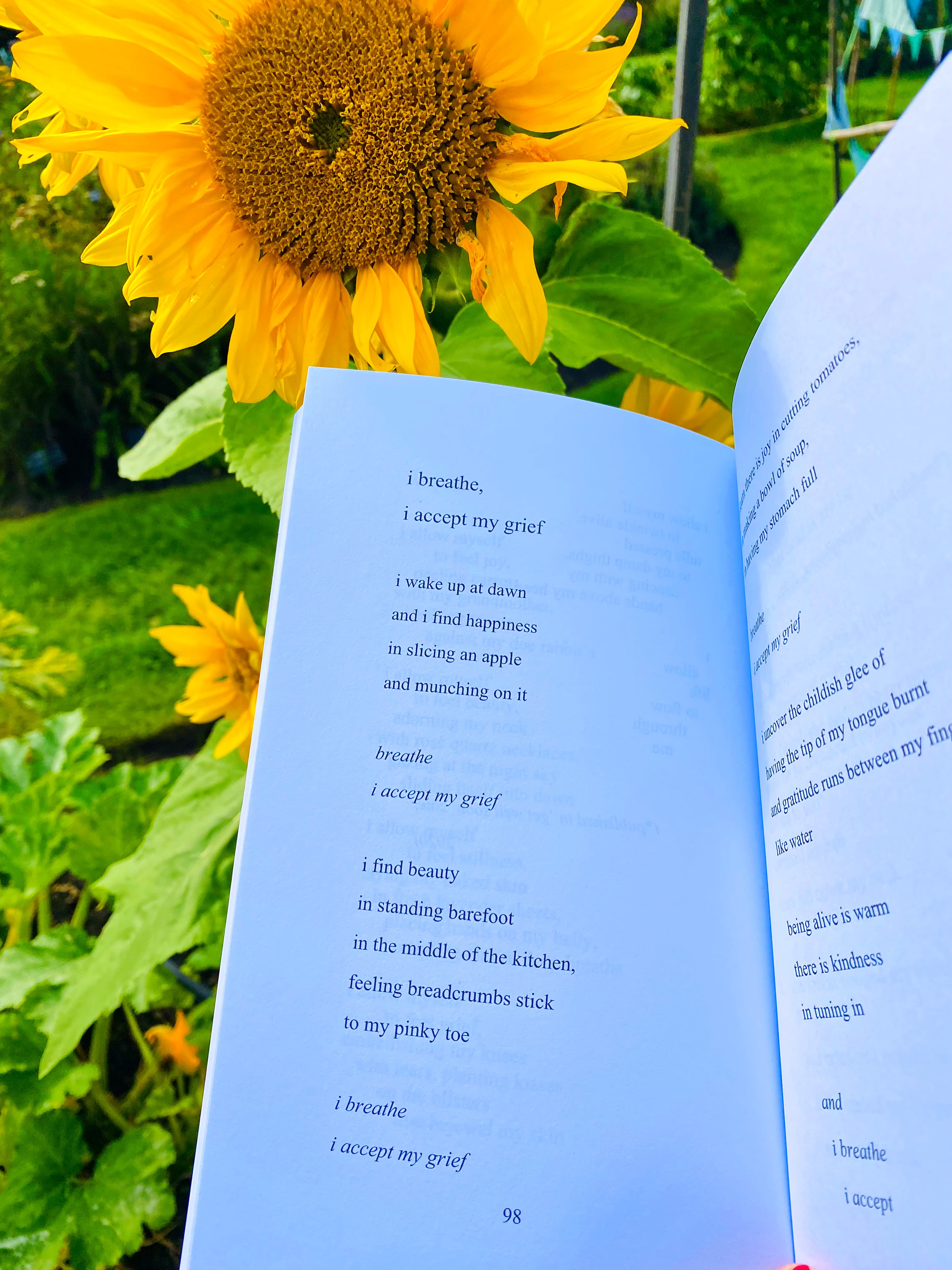








 amaryllis