Contemplations on the Modern Spiritual Landscape

99% of the modern spiritual landscape thrives on enforcing worthlessness and dependency. there is something wrong with you, but you can be sold the cure. through this course. or this program. or this training structure.
this paradigm is packaged masterfully in esotericism and sanskrit terminology, with beacons of validatory hope offered that keep you hooked in a dopamine loop of hope: God loves you; you are God — which will mean nothing to you as long as your intrinsic experience of yourself continues to be one of absolute worthlessness.

once you are stuck in worthlessness while having access to no real tools to actually break through it, the reassuring promises of divine love or wholeness will act only as reinforcers of the one constant underlining message, which will continue to be, you are not worthy.

and because you are so excruciatingly insecure, you will believe it, and strive to become worthy. you will be cruel to yourself. you will give away your autonomy. you will beat yourself up for feeling anger or misalignment. for not being “surrendered”. for making what you fear are mistakes. you will compare yourself to others, you will become dependent on others. you will mistrust yourself. you will repress yourself.

you will think that the experience is anywhere but here, in you.

don’t fall for it.

only you can liberate yourself.

God is here and now.
God is not the socio-moral norms of religion

God is not the socio-moral norms of religion. the socio-moral norms of religion are historical remnants of a time in which religion ruled society and culture and were means to both regulate and ensure harmony (eg. don’t harm another precept) or control and subjugate in the instances in which abuses of power occurred.

you won’t find God by adhering to archaic socio-moral norms belonging to scriptures from centuries ago. it might seem as an evident statement, but i have recently been struck by how insidious dichotomies of morality run inside of me, despite the fact that i adhere to a non-dual view (tldr on non-duality: the belief in one absolute, genderless, formless consciousness that pervades and is all that is).

having seen how deeply remnants of morality are sown into me, i have been reflecting on: where has my obsessive streak of wanting to be a good person come from? from a subconscious understanding that it is in that morality that i will find God. what is my tendency to beat myself up rooted in whenever i do something which i perceive to be a mistake? in a fear that i would not find God in my so-called wretchedness. where does shame come from, with an emphasis on the shame that continues to shroud my connection to my sexuality? from internalising shame around sexuality as a ‘sin’, a wanton nail in the coffin that would ensure my perpetual disconnection to God.

God is beyond virtue and sin.

the other day, i told myself: damn it, use your intellect. no matter the fairytale story conjured about a higher power, how could that higher power ever punish, reject or be angered with me, or with anyone for the matter?

i was engaged in particularly unvirtuous-ly considered behaviour recently when it hit me, i feel so loved and accepted by God right now, and i am – inherently. and i don’t have to do anything else rather than be myself to be loved or accepted. note: it might seem contradictory to assign the wilfulness of love & acceptance to the non-dual understanding of consciousness, but it’s one of those contradictions that somehow just ‘is’ and i feel like can’t be explained. the love is there. 💙

to seal my heart / is to deprive myself of God | bhakti poem by téa nicolae

in the depths of betrayal,

do not, under any circumstance,

seal your heart.

for years, you intricately

pushed yourself to unglue it.

to forfeit that effort

is to lose the rawness of God

tasting herself in you

as both the flutter in your womb

and as the pain in your left lung.

to seal my heart
is to deprive myself of God.


in this life,
there is much i have allowed.


but this,
this, i will not allow.

______________

~ note to myself. 🖤

Quick, quick, quick, quick!—the gates are drawn apart

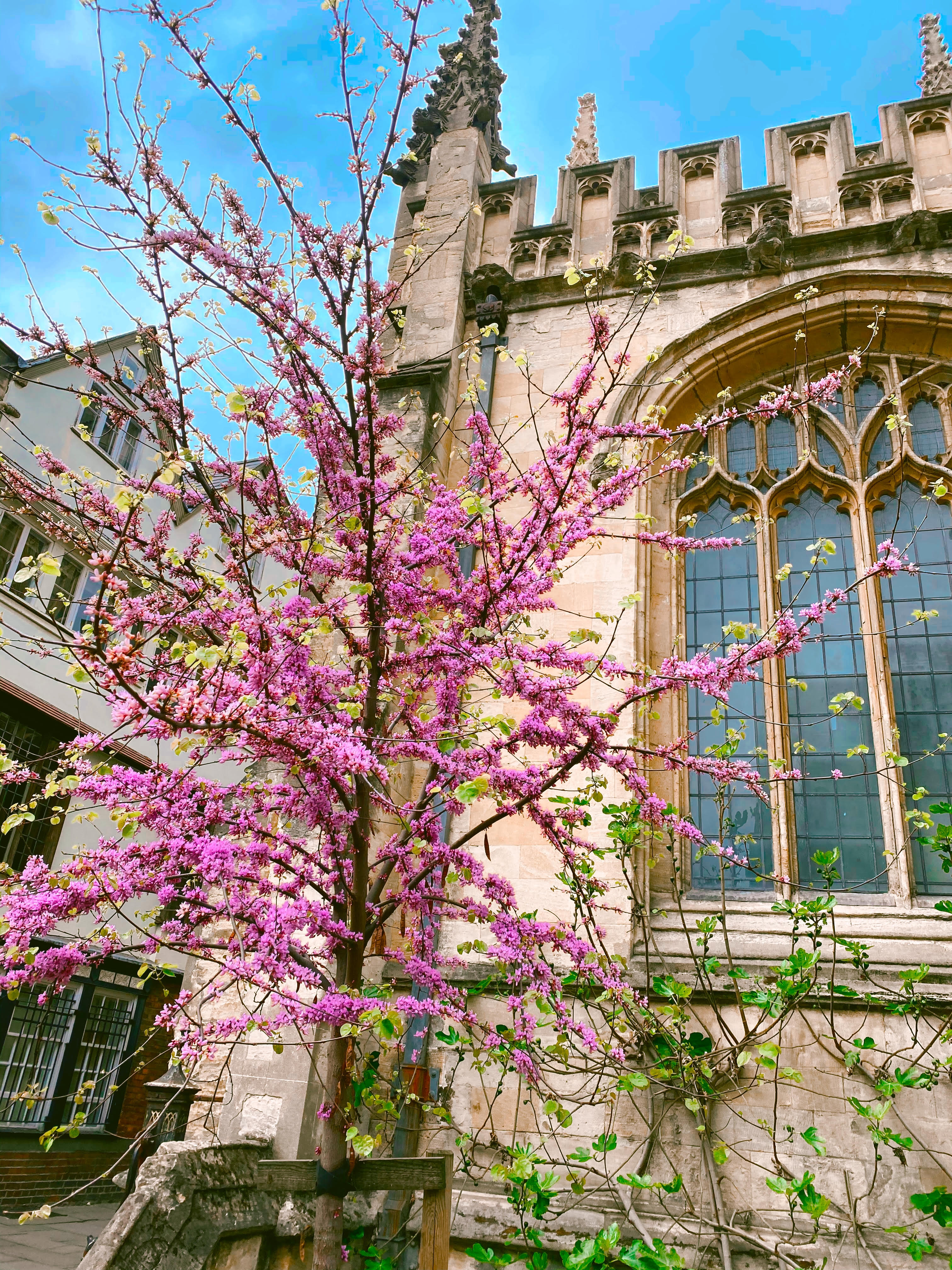
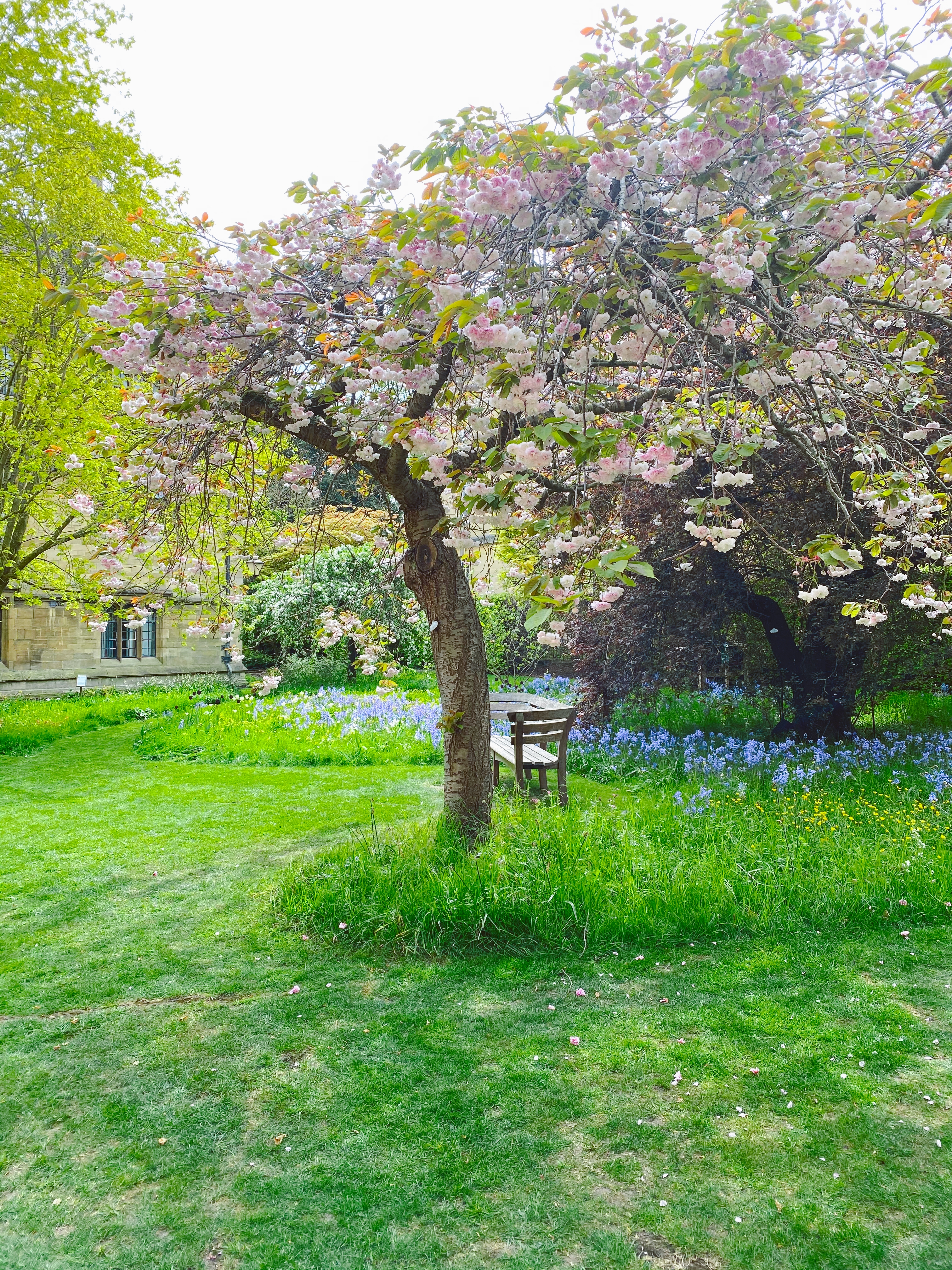
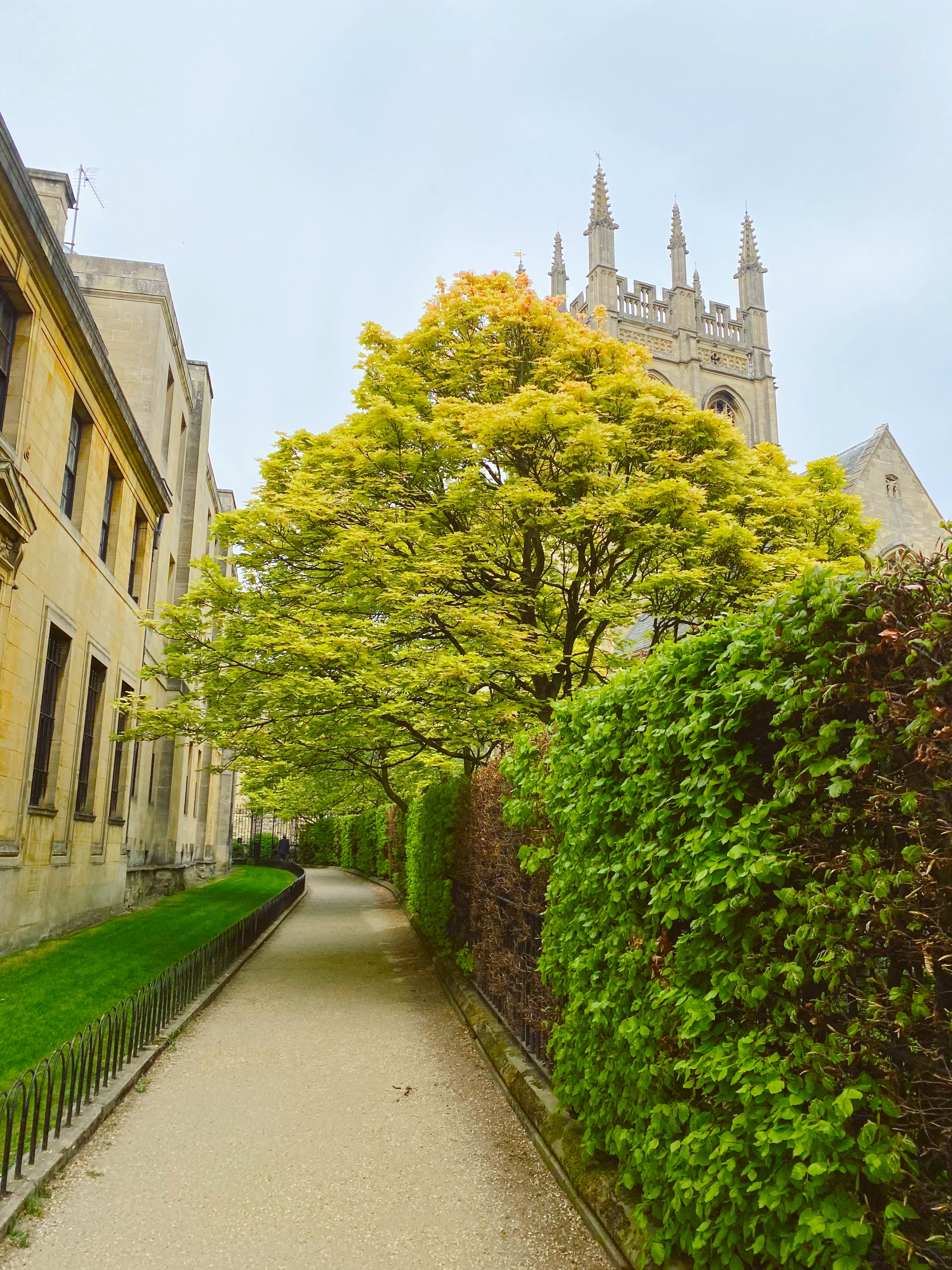
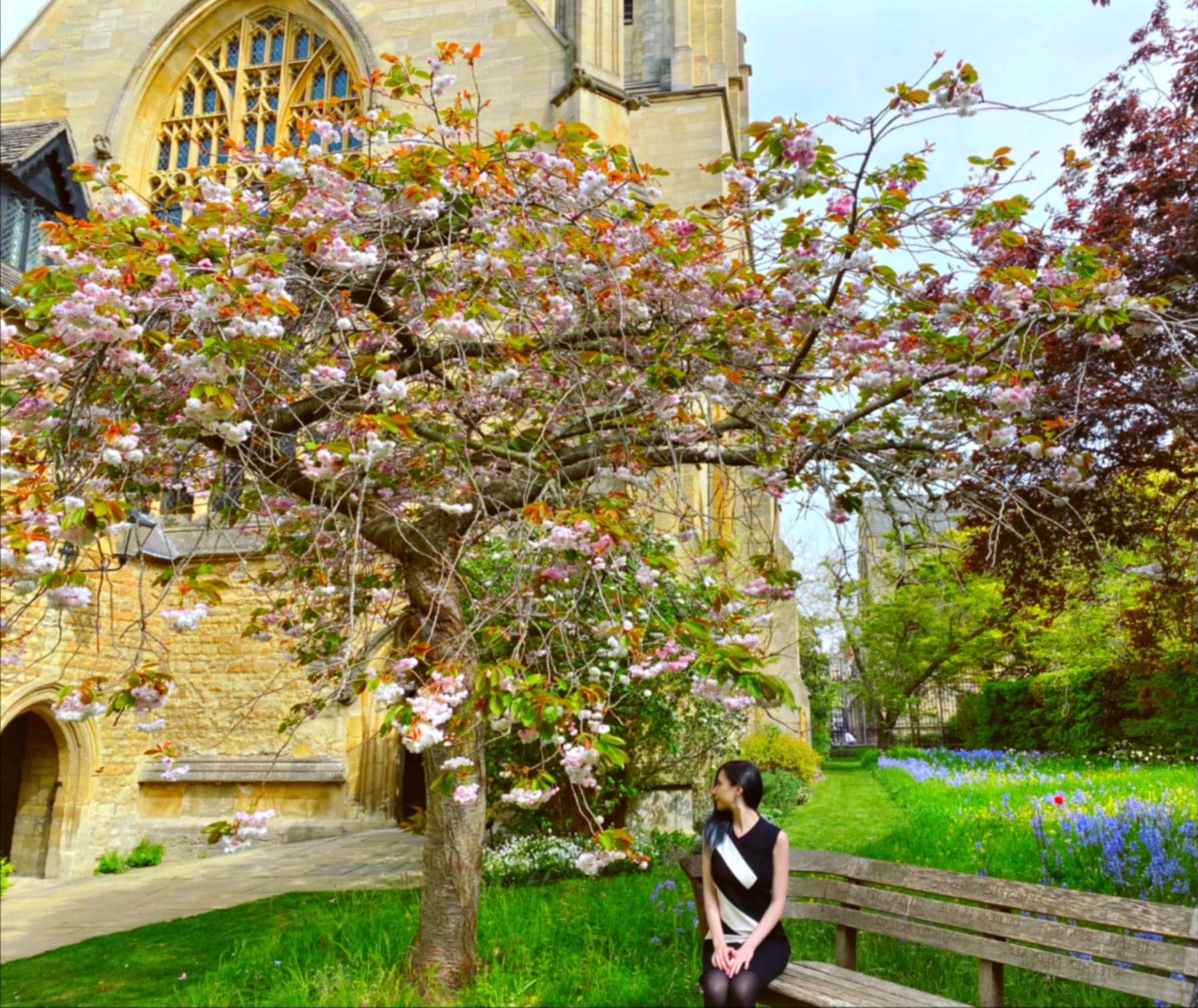
Oxford, in bloom! a wonder to walk where the great C.S. Lewis & J. R. R. Tolkien walked. 🌸 i ventured on Addison’s Walk, where C.S. Lewis, J.R.R. Tolkien & Hugo Dyson most famously discussed myth, philosophy and religion while pacing through the trees. Lewis recounted a walk of theirs to his dear friend, writing as follows:
“These hauntingly beautiful lands which somehow never satisfy,—this passion to escape from death plus the certainty that life owes all its charm to mortality—these push you on to the real thing because they fill you with desire and yet prove absolutely clearly that in [William] Morris’s world that desire cannot be satisfied.
(…)
The [George] MacDonald conception of death—or, to speak more correctly, St Paul’s—is really the answer to Morris (…). He is an unwilling witness to the truth. He shows you just how far you can go without knowing God, and that is far enough to force you . . . to go further.”
Lewis later wrote a poem about Addison’s Walk:
“I heard in Addison’s Walk a bird sing clear:
This year the summer will come true. This year. This year.

Often deceived, yet open once again your heart,
Quick, quick, quick, quick!—the gates are drawn apart.”
🙏
source: Justin Taylor. 💗