amaryllis (/ˌæməˈrɪlɪs/[1]) – bears the name of the shepherdess in virgil's pastoral eclogues. it stems from the greek ἀμαρύσσω (amarysso), meaning "to sparkle", and it is rooted in "amarella" for the bitterness of the bulb. the common name, "naked lady", comes from the plant's pattern of flowering that blooms when the foliage dies. in the victorian language of flowers, it means "radiant beauty".
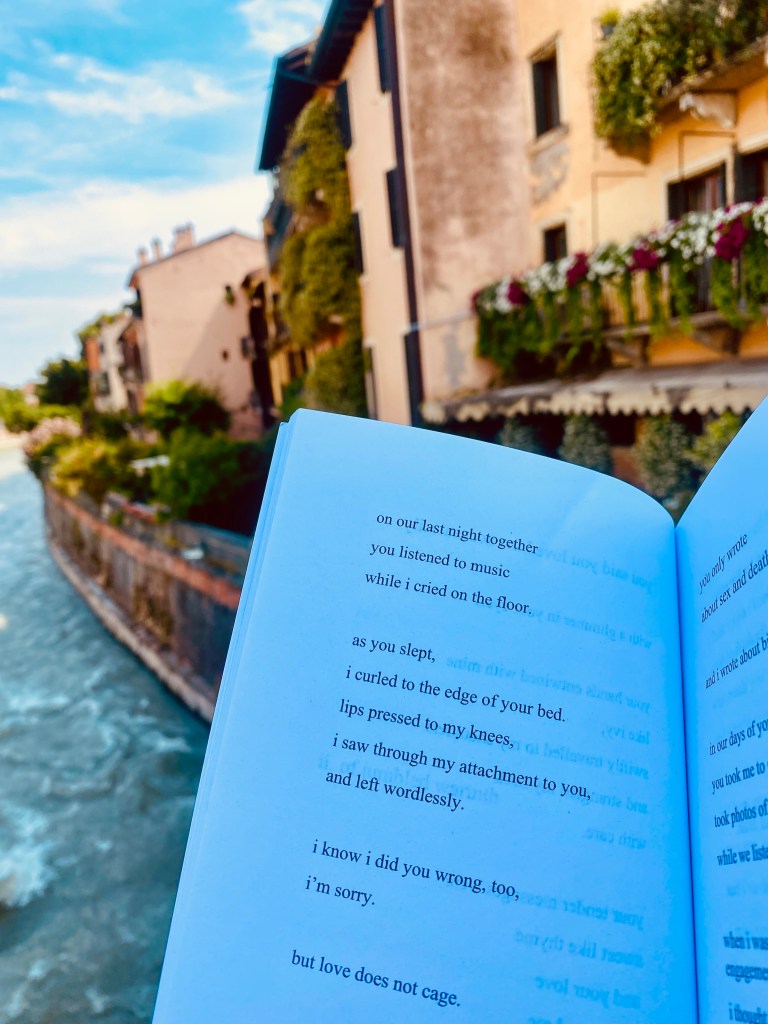
slighting bhakti poetry, the poems belonging to the “of jumbled warmth” section of ~ songs of youth ~ are poems i wrote which would most closely resemble what would be known as poems of love. sharing the ending stanzas of “you said you loved me accusatorily” from verona, the city of love!
*when i mused something similar, my very wise friend @flagrantambiguity noted that all poetry is love poetry in essence, only not in the customary way we think about love – which i *love*-d 🫀😁 because, indeed, to write a poem about something implies devotion to it – be it devotion to anger, grief or hatred. (my take!)
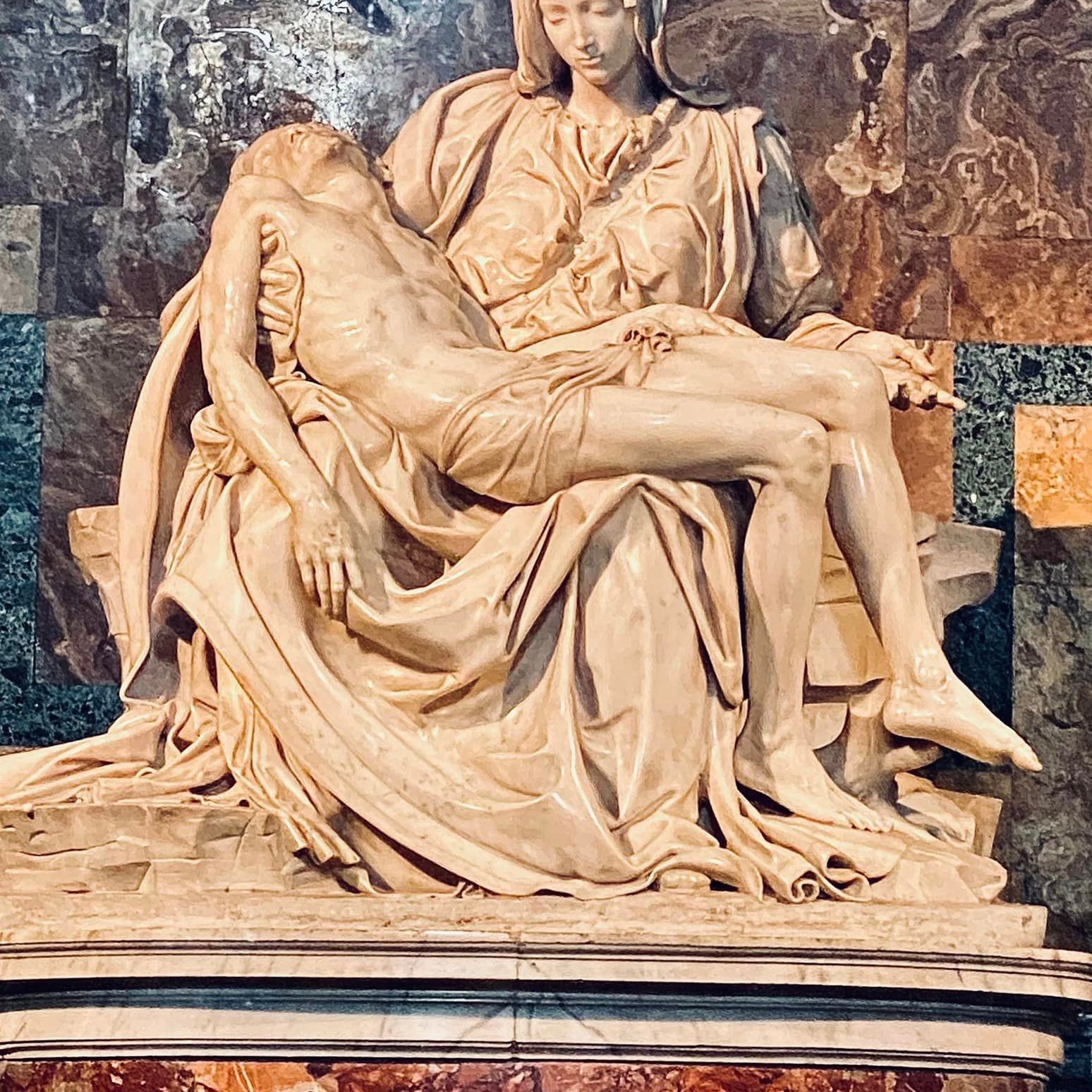
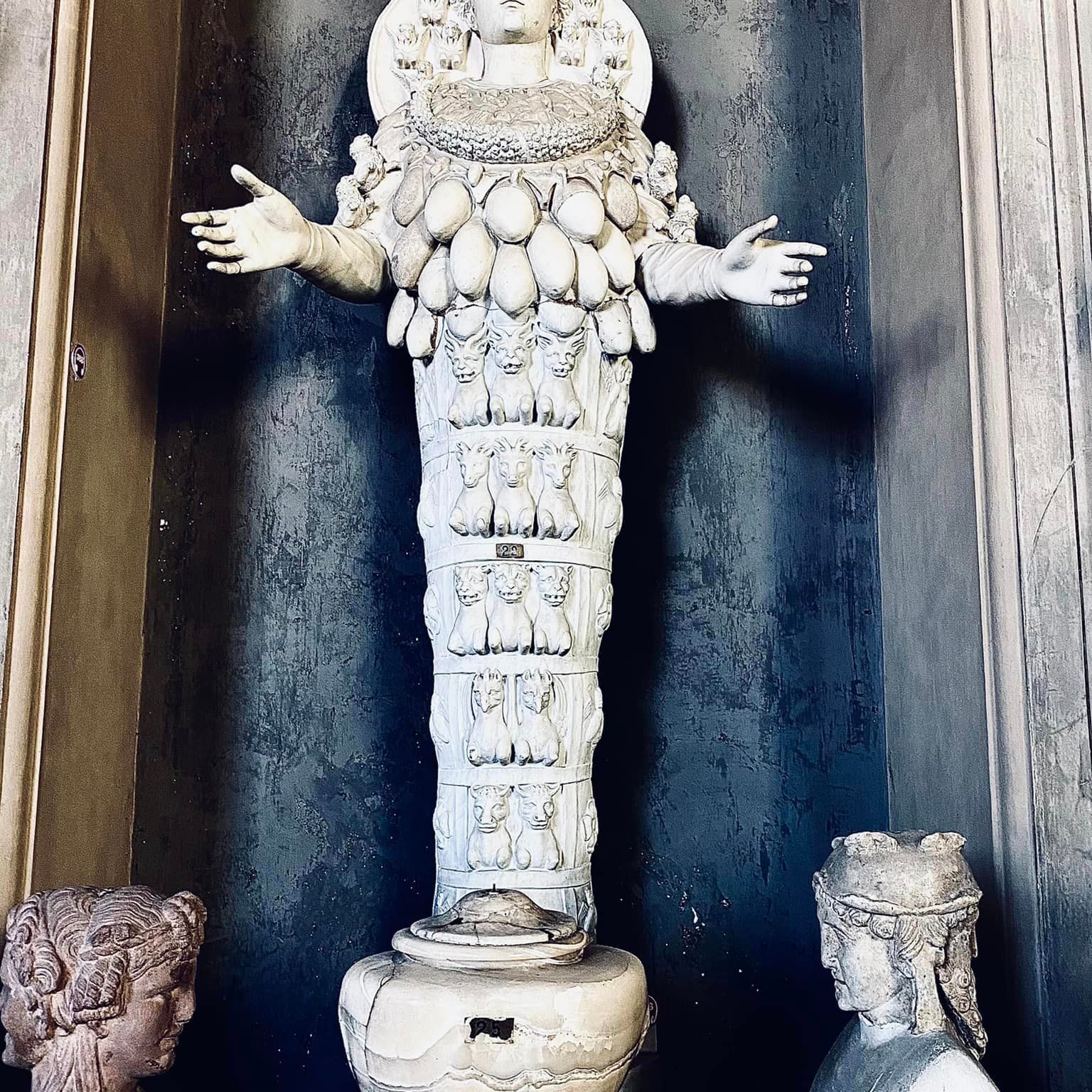
Roma – the haunting beauty of marble! the sculpture of Artemis (#2) is her incarnation as “Lady of the Animals”. the close rows of overlapping breasts, interpreted by some to be bulls’ testicles, signify fertility & abundance. spellbinding to see the sculptures coming to life in the city & mesmerising to face Artemis. tears upon seeing Mary’s beautiful face in the Pietà.
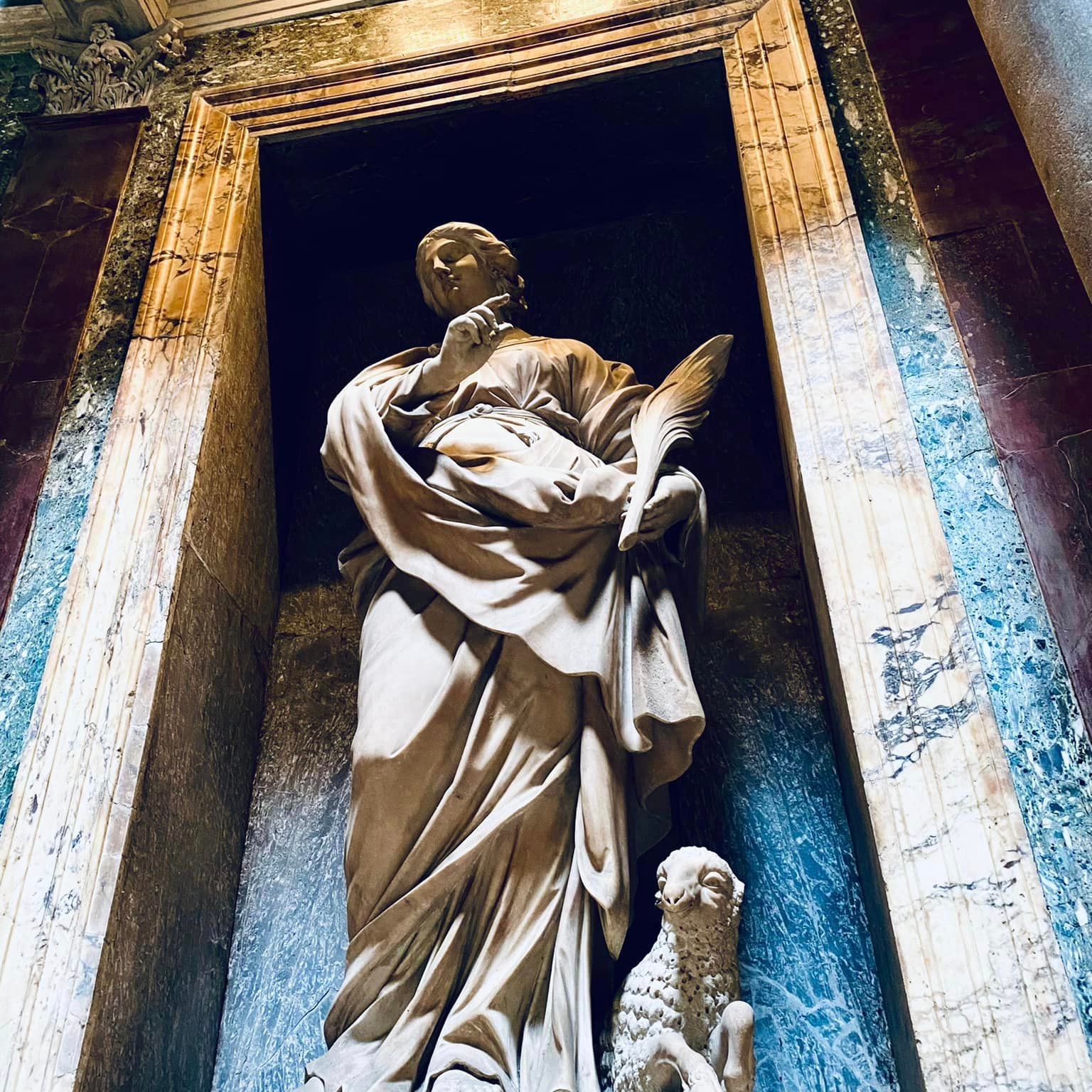
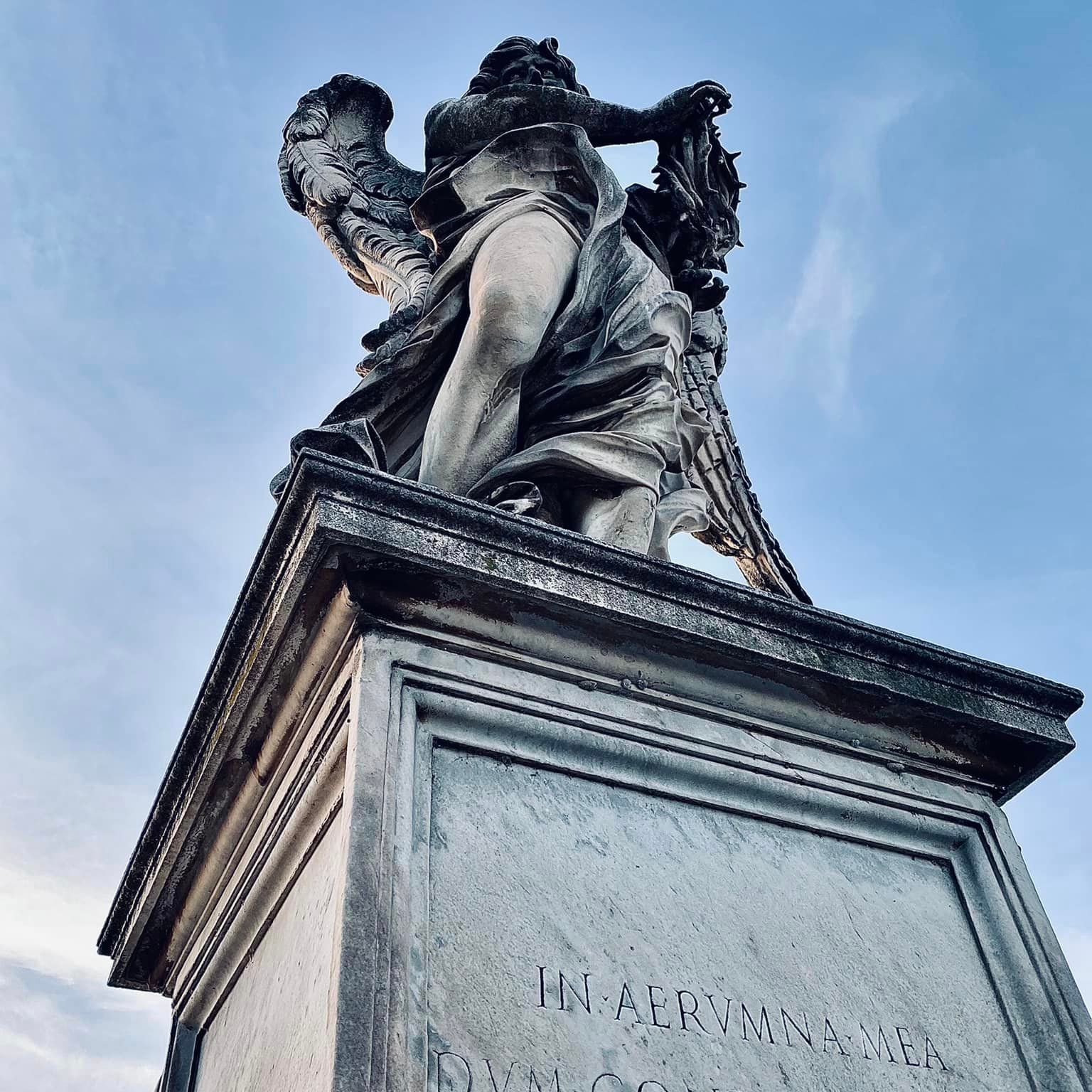
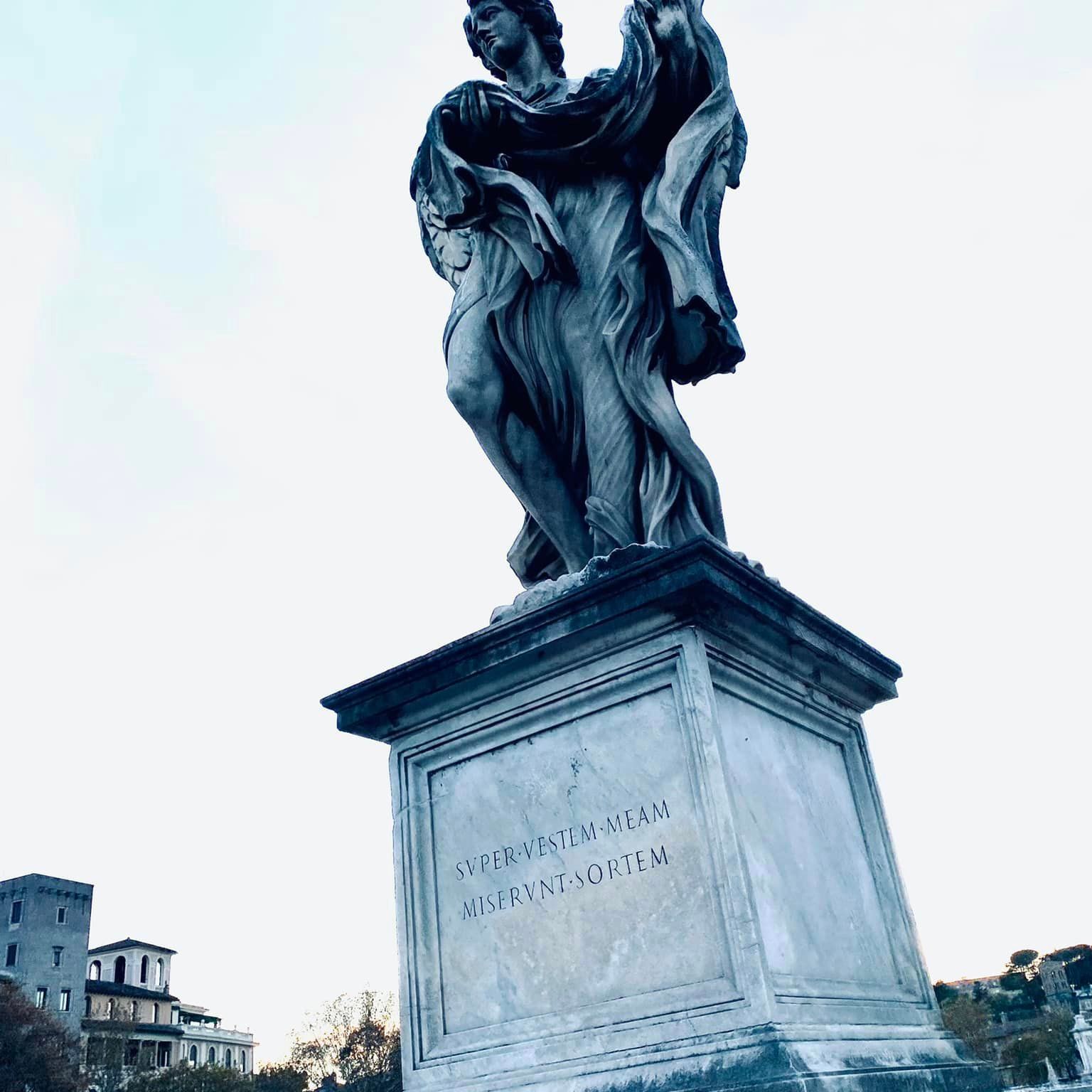
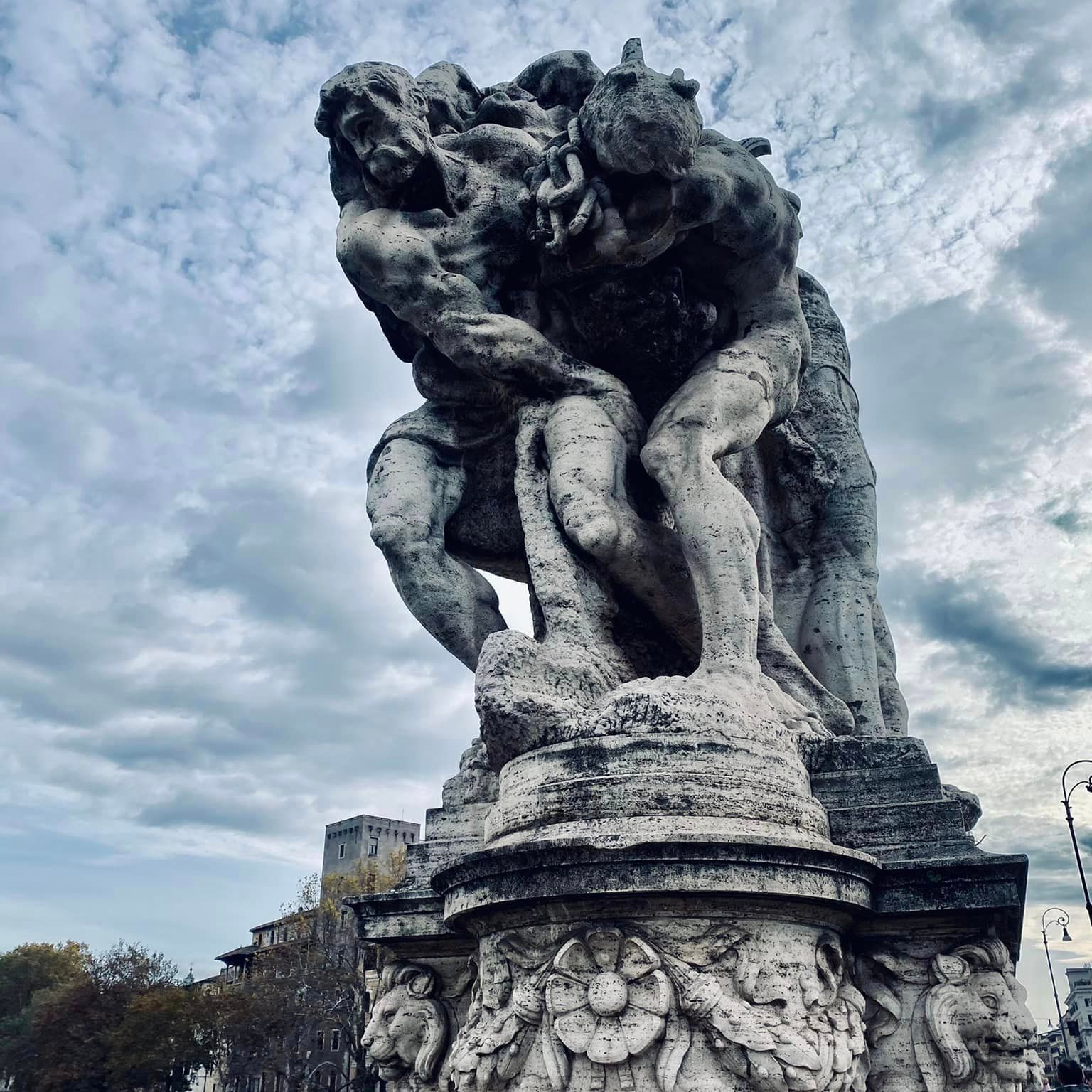
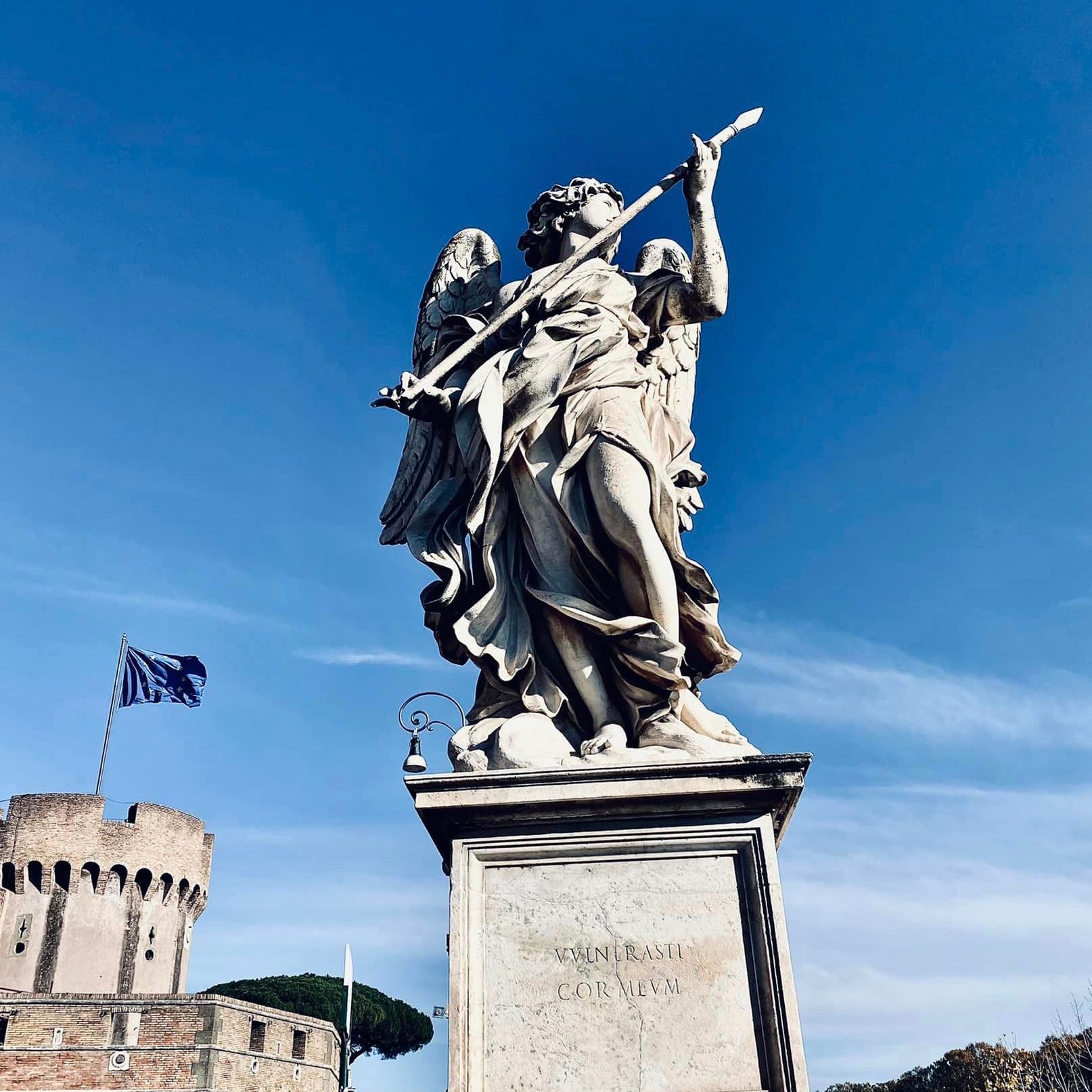
*sculptures of Ponte Umberto I, Artemis, Pietà, Vaticano, Ponte Sant’Angelo, Fontana di Trevi, Pantheon.
cresciuti sotto un fiore nascosti con i segreti creati da Dio sparsi nell’universo
[blanco]
gratitude to have celebrated mammina in the beautiful citta eterna. thank you for your out-of-this-world support, for bearing with me through my times of casual cruelty and immaturity. i owe what i have built and what i am building to your generosity. i love you.

 dissolved in shades of blue in the dreamy lecco! #bellaitalia








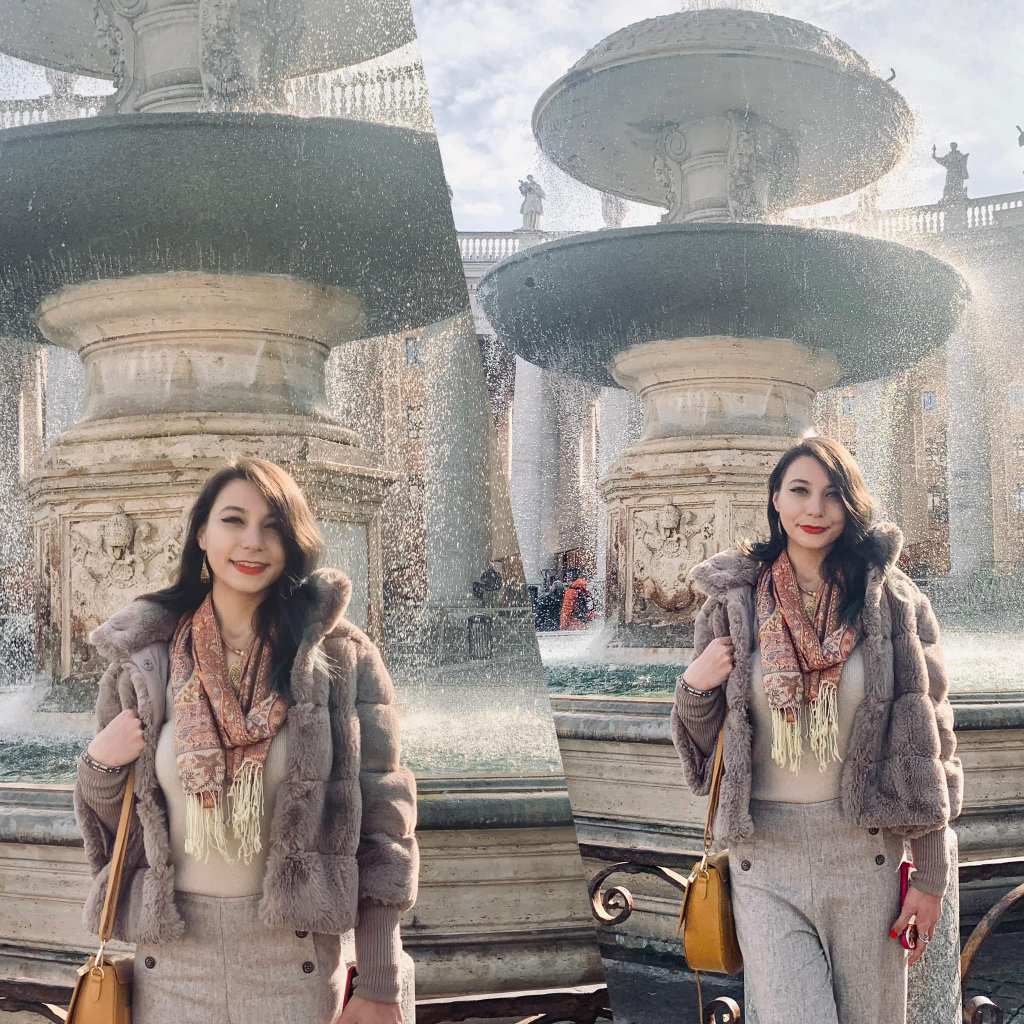

 amaryllis