She dances me to her call | bhakti poem by Téa Nicolae

in the depths of my being, She dances me to her call:

“come to me. I want all of you, my child. no part of you is too dark, too gritty, too cruel for me. I claim all of you.”

Māiyā! your waves carry your call and roll it against my chest. i seek you with my breath, eyes, hands, and knees. my lungs seek you like they seek air.

Ya Devī! soothing her tears,

Kṛṣṇa told Pāñcālī

that just as you, Śrī Gaṅgā, hold and wash all pollutions yet are ever-pristine,

so does the fallen empress remain untainted by her shame.

aches bathed in your luster,

i plead:

take all of me, Devī.

leave nothing of me behind.

establish me in knowing

that despite my wrongs, fears and corruptions, i, too,

your fragment in the microcosm,

remain unmarred.

may the holy flow of your untamed waters

sweeten the harshness i bear towards myself and the world

soften the rigid corners straining my being

loosen the knots hindering you from coursing within me.

Śrī Mātre Namaḥ. 🙏

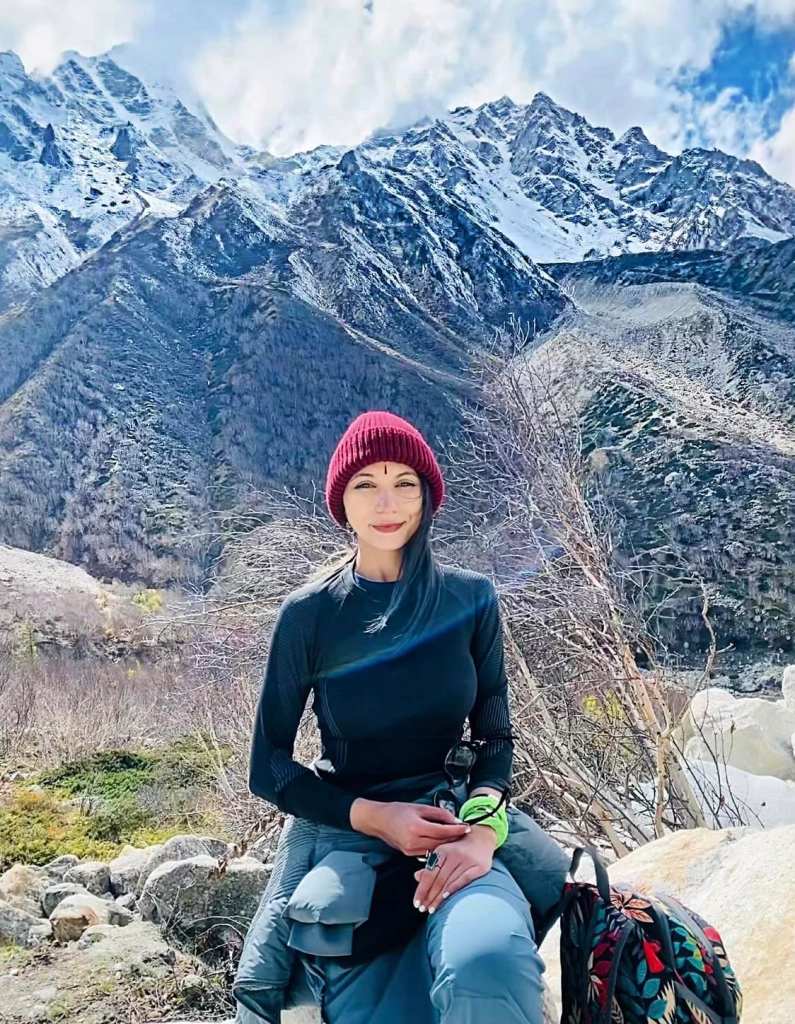
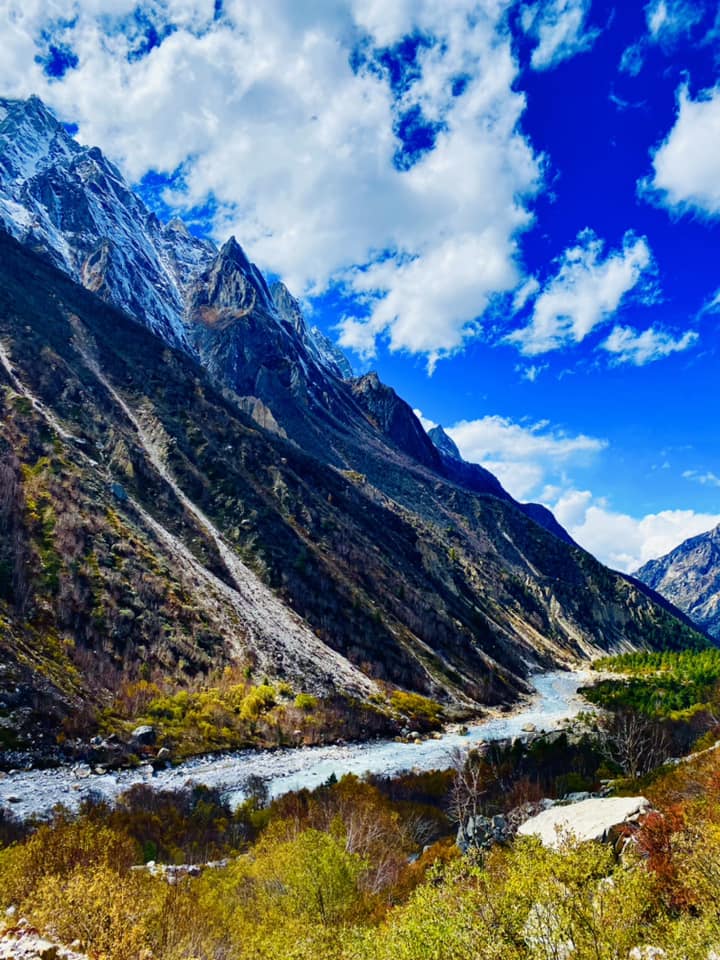
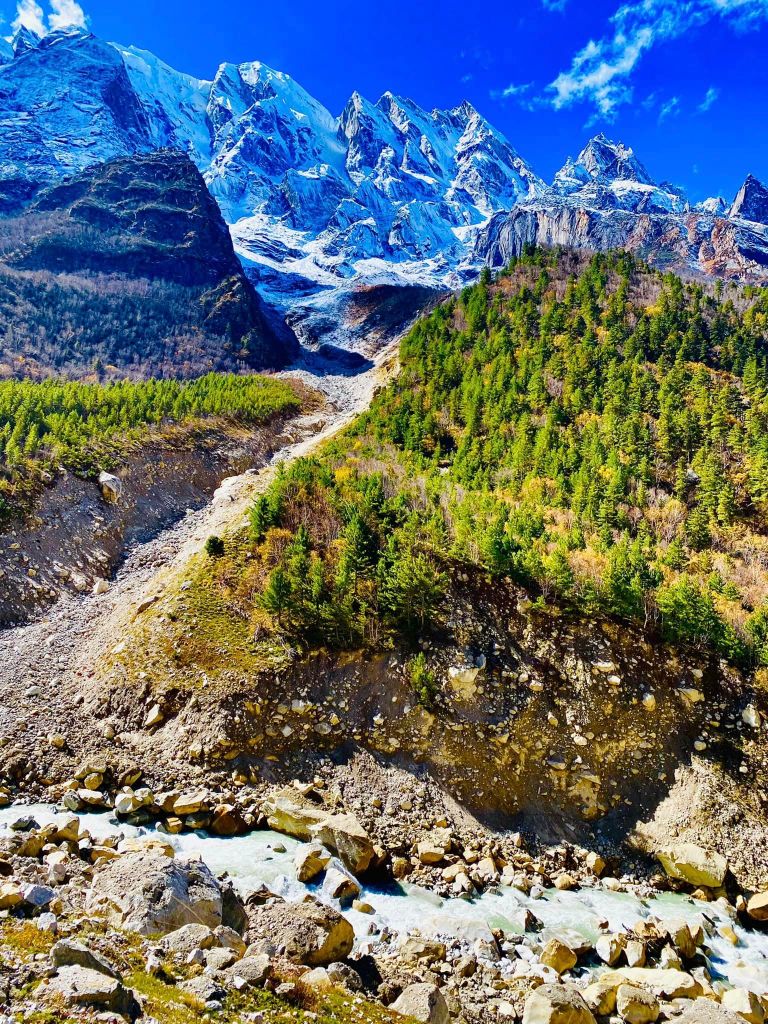
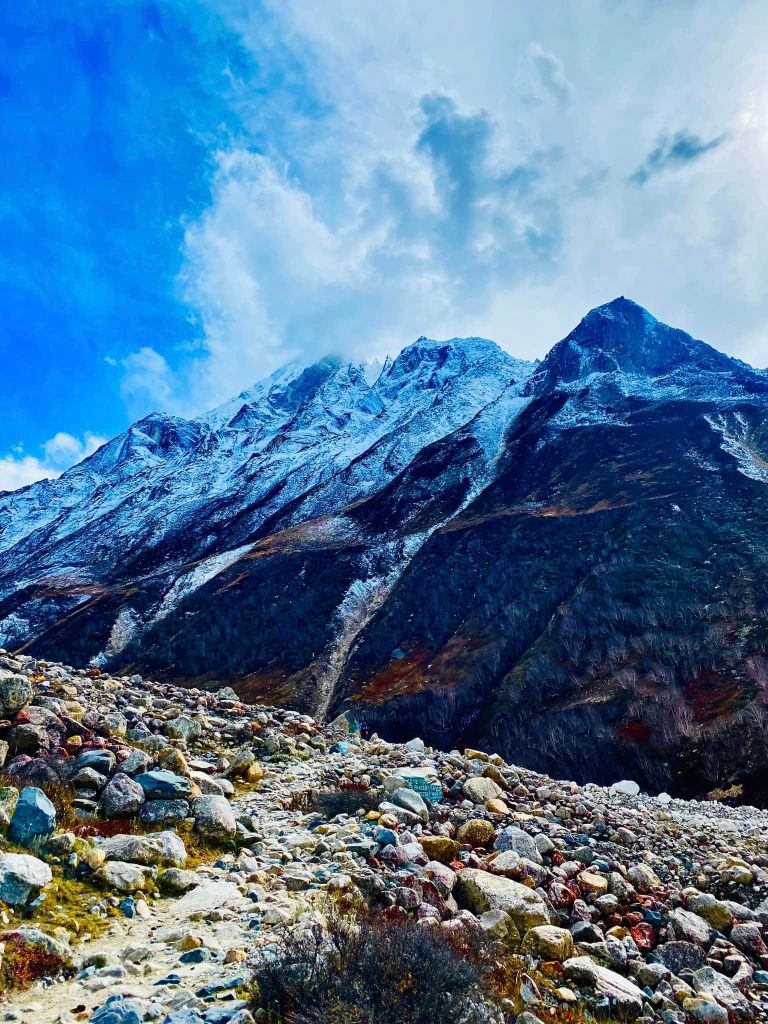
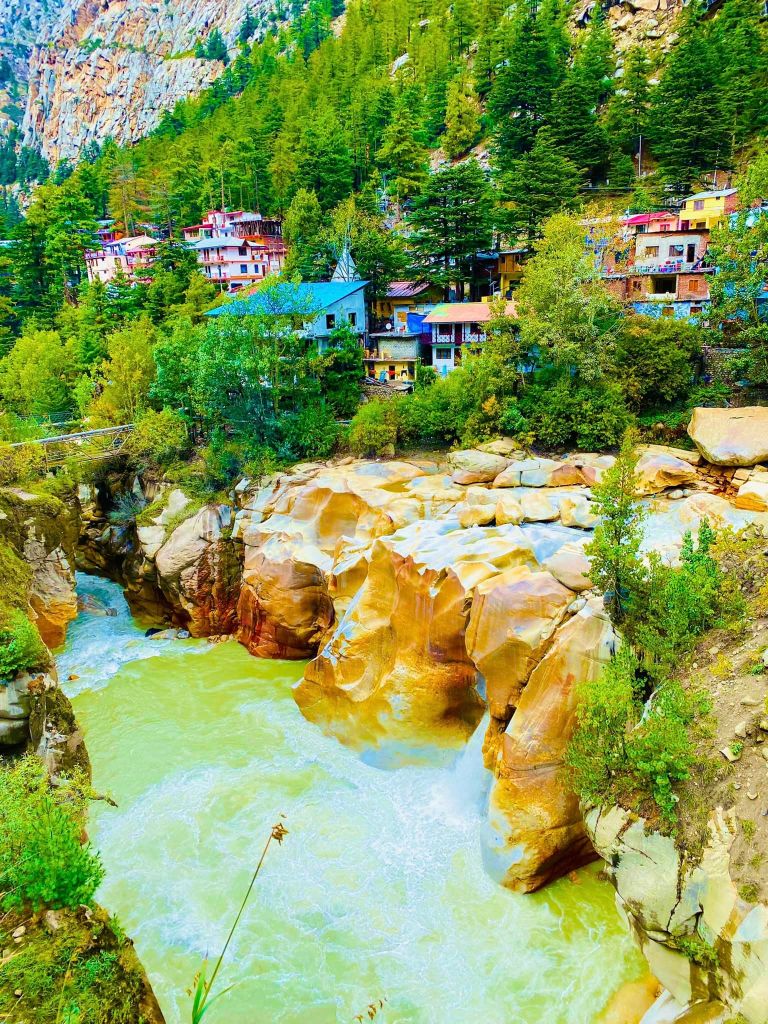
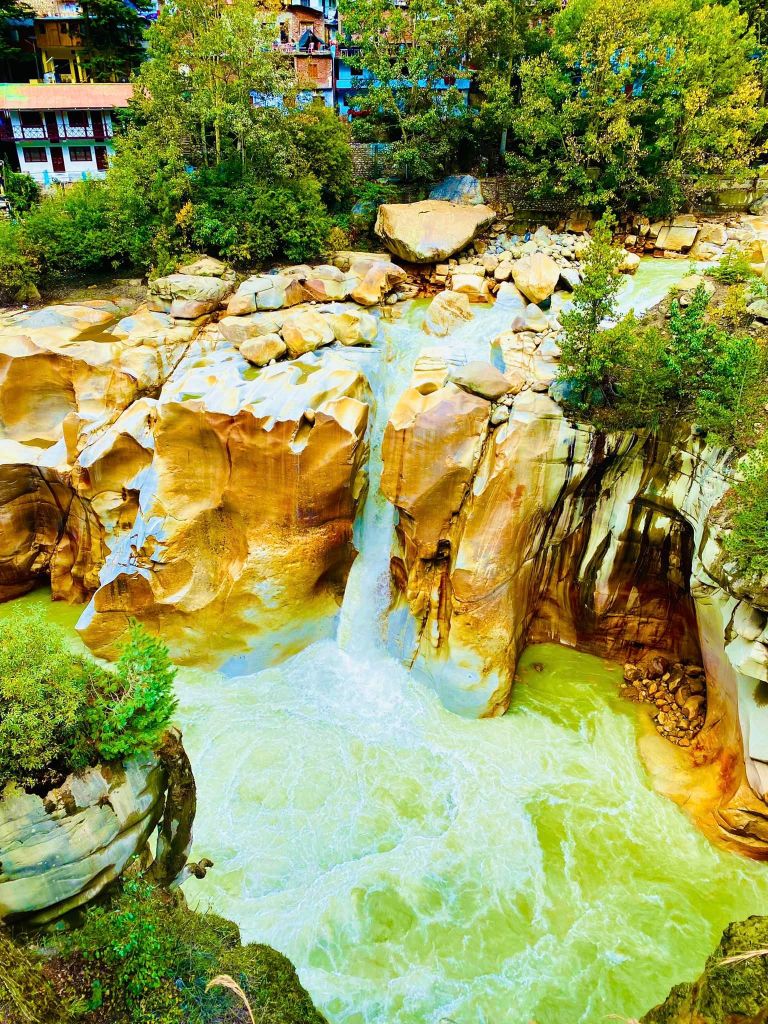
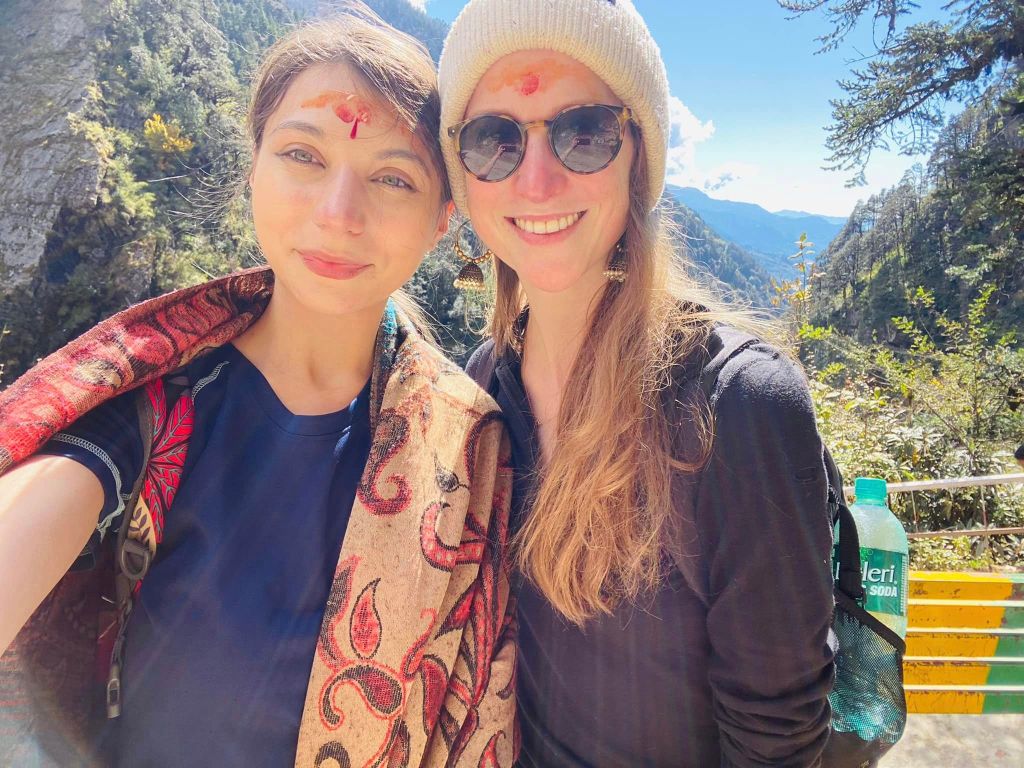
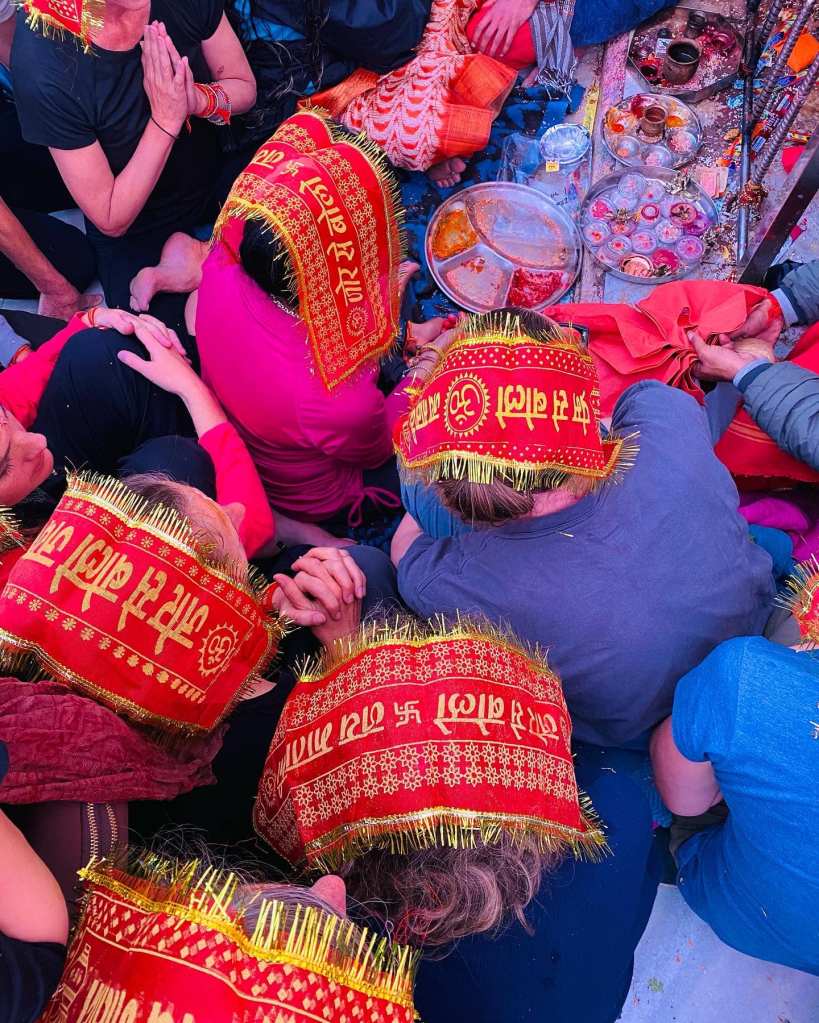
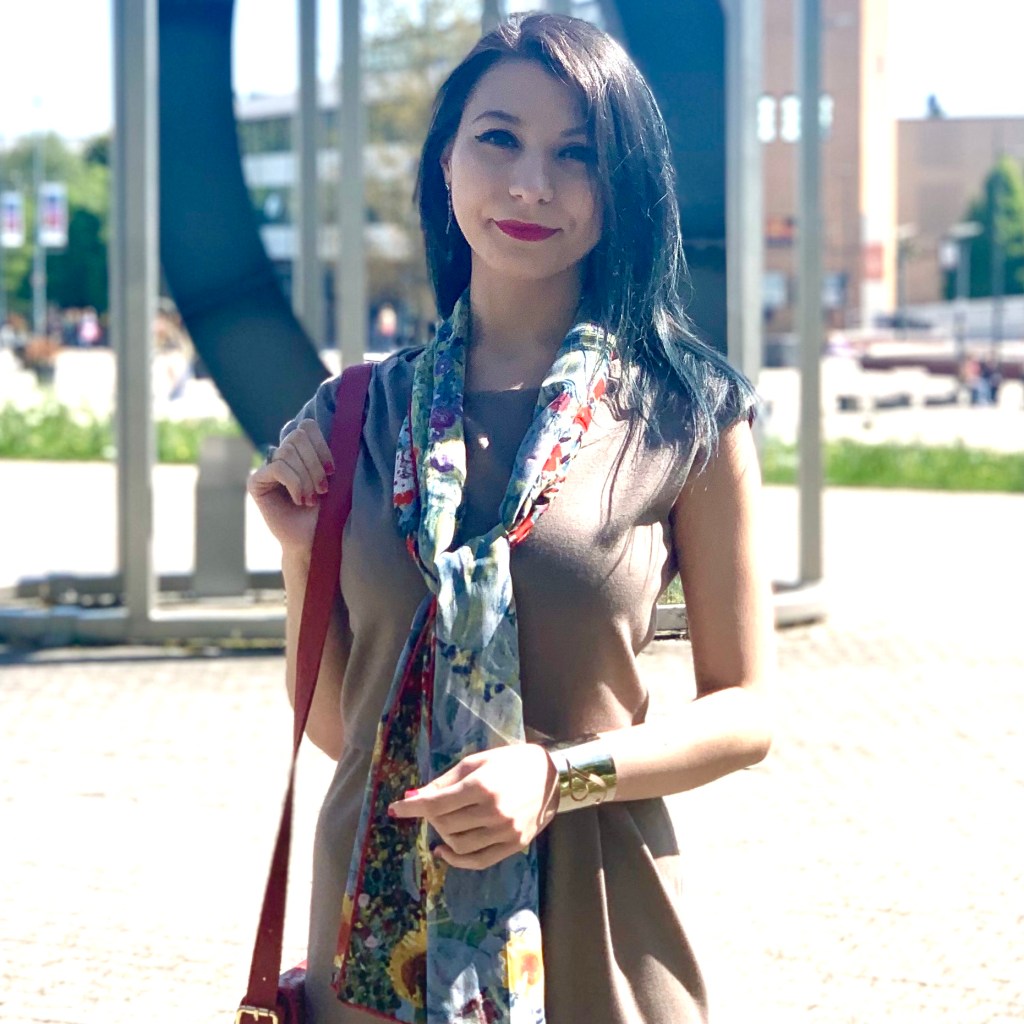
photos: before & after bathing in the waters of Śrī Gaṅgā in the auspicious Gangotri. Śabda Yātra. 🙏 the blessing of blessings. 💙

for how many lifetimes have you been calling me to You? | bhakti poem

for how many lifetimes
have you been calling me to you, Devī?
for how many lifetimes
have i cowered?

for how many lifetimes
have i been lost, Devī?
for how many lifetimes
have you watched me stumble?

i have been through many wombs
to rest my head at your feet today.

yet here i am,
my Devī.

would it be
greedy of me
to plead with you
one more time?

will you
grace me?
will you
wash away
my good, my ugly?
my irreverences, my pride?
my agonies, my beauty?

will you
cleanse this heart
until i am nothing but flow
rushing forth to meet your shores
like the water running between your locks

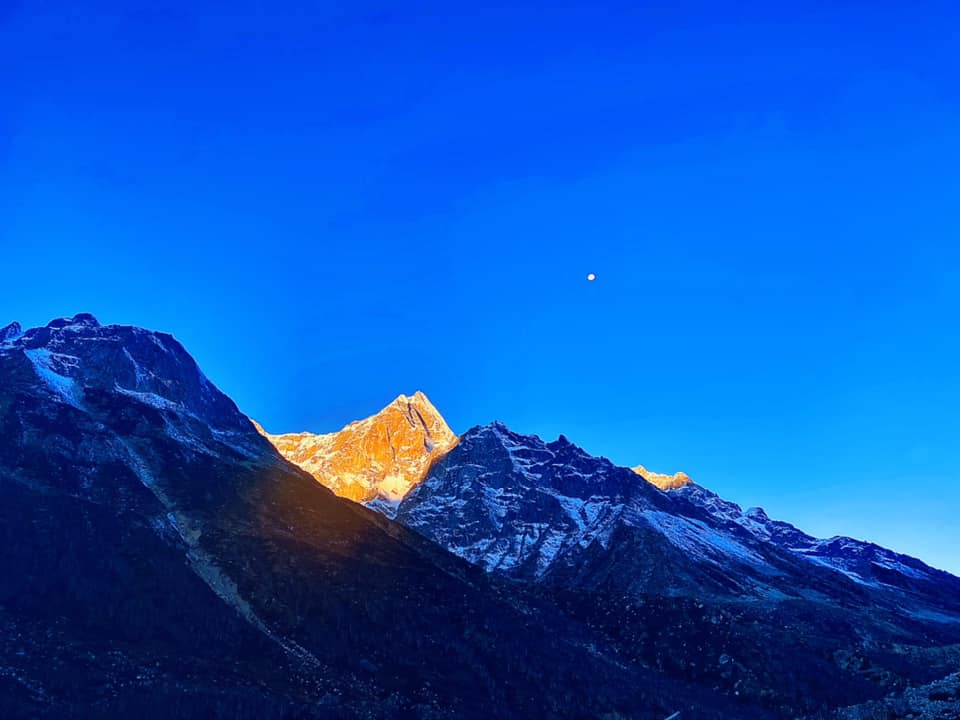
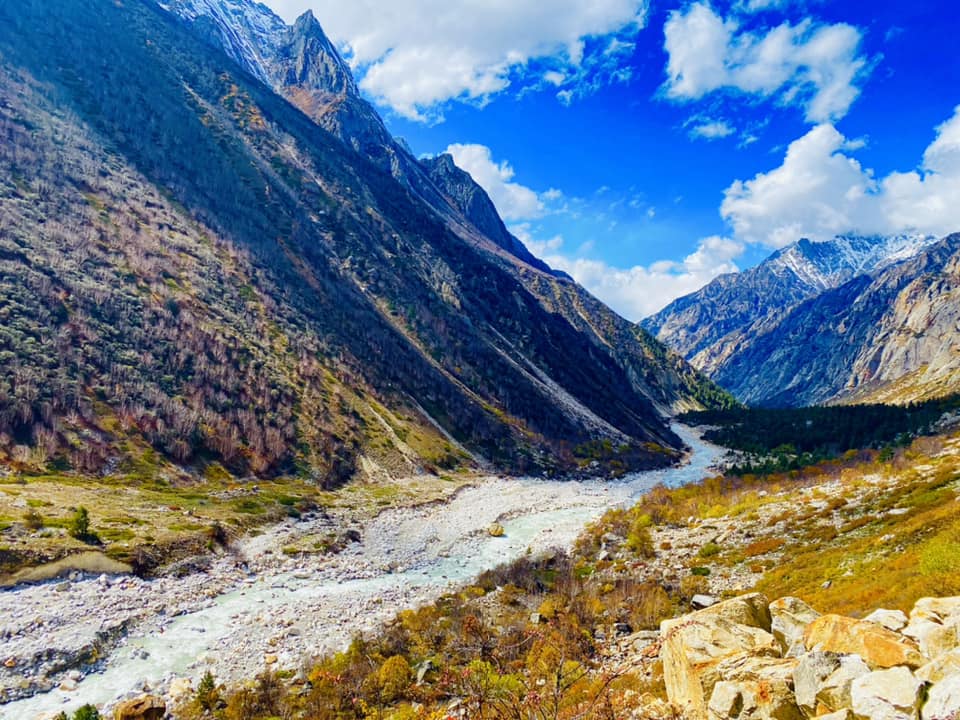
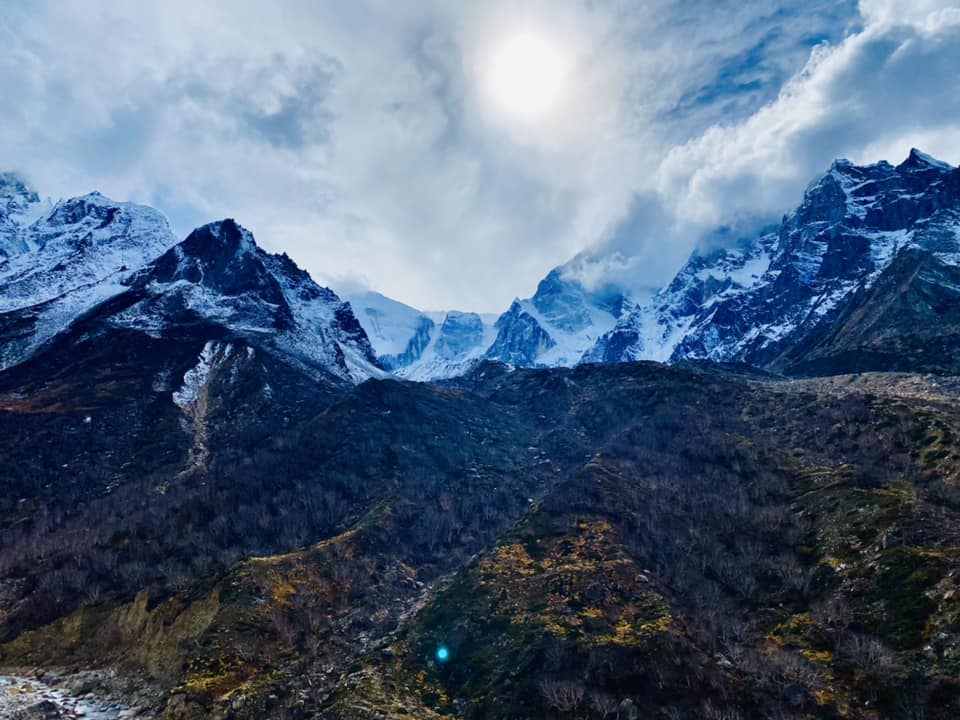
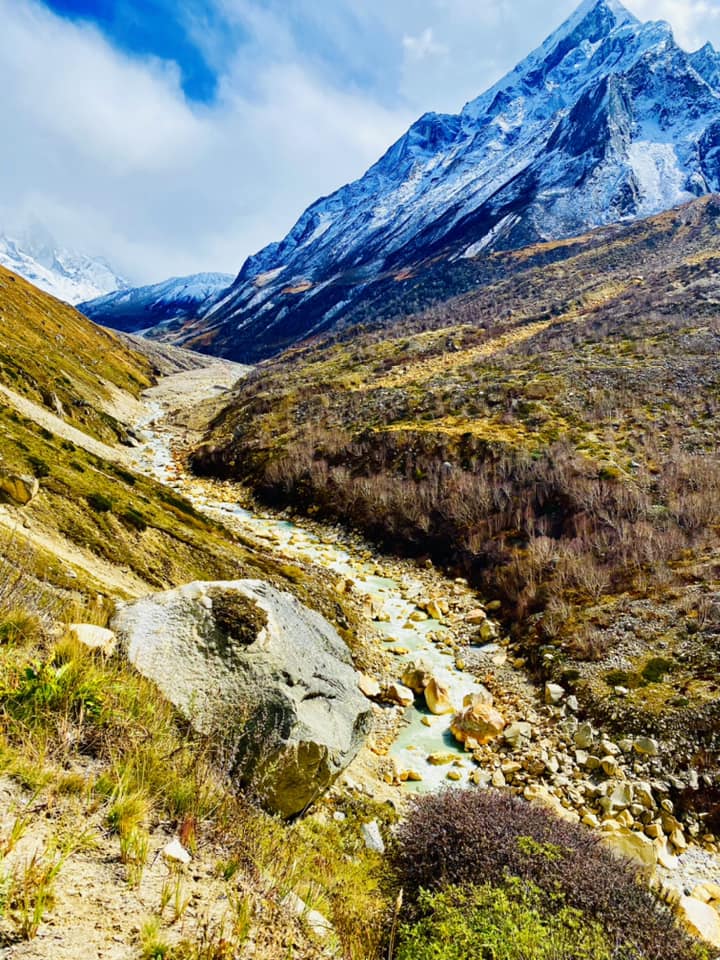
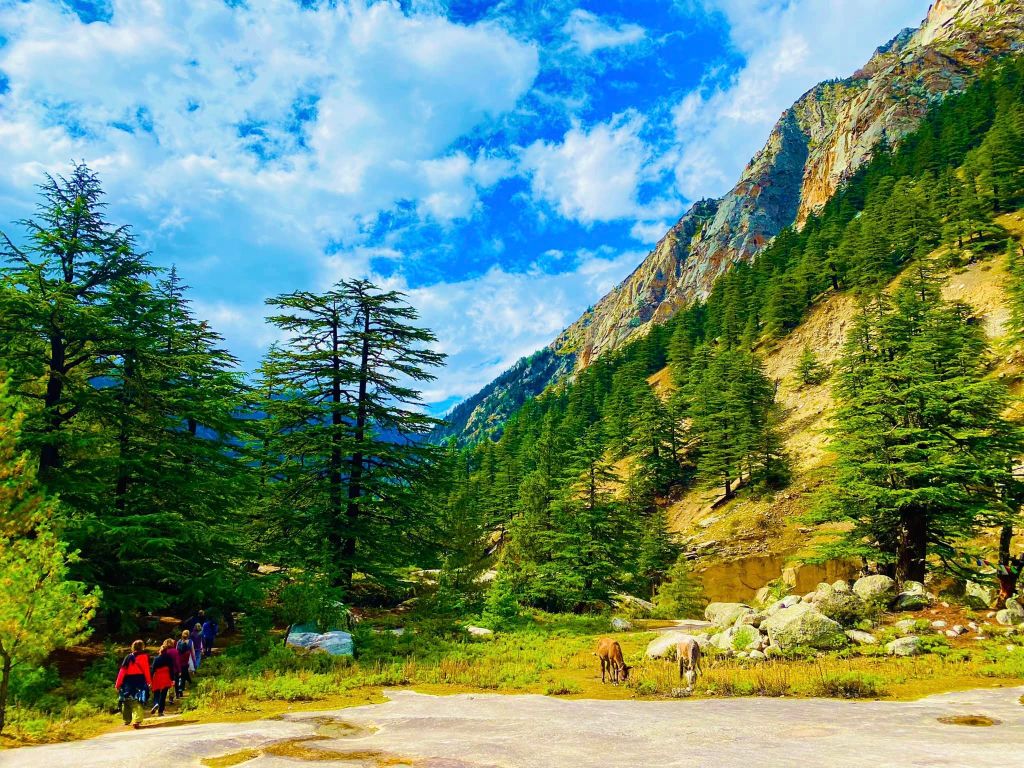
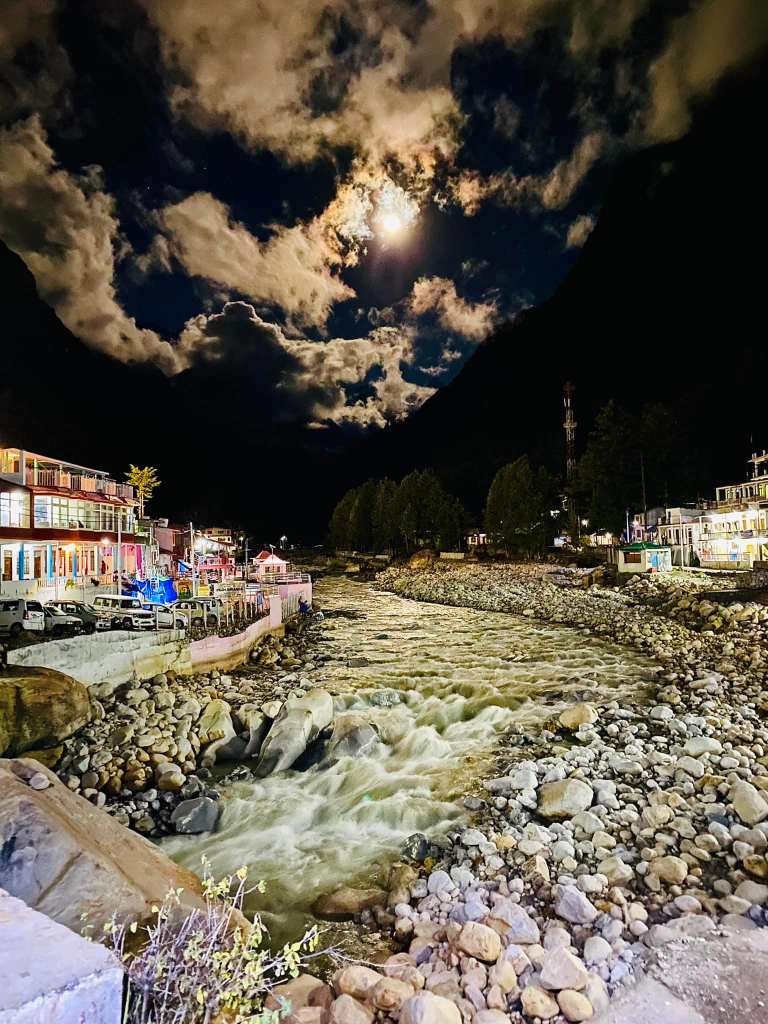
🤍 what came to me upon seeing the magnificence of Gaṅgā Devī for the very first time. pictures: Gangotri. Gomukh, Her Source. they fail to encompass Her beauty.

The Call of the Himalayas

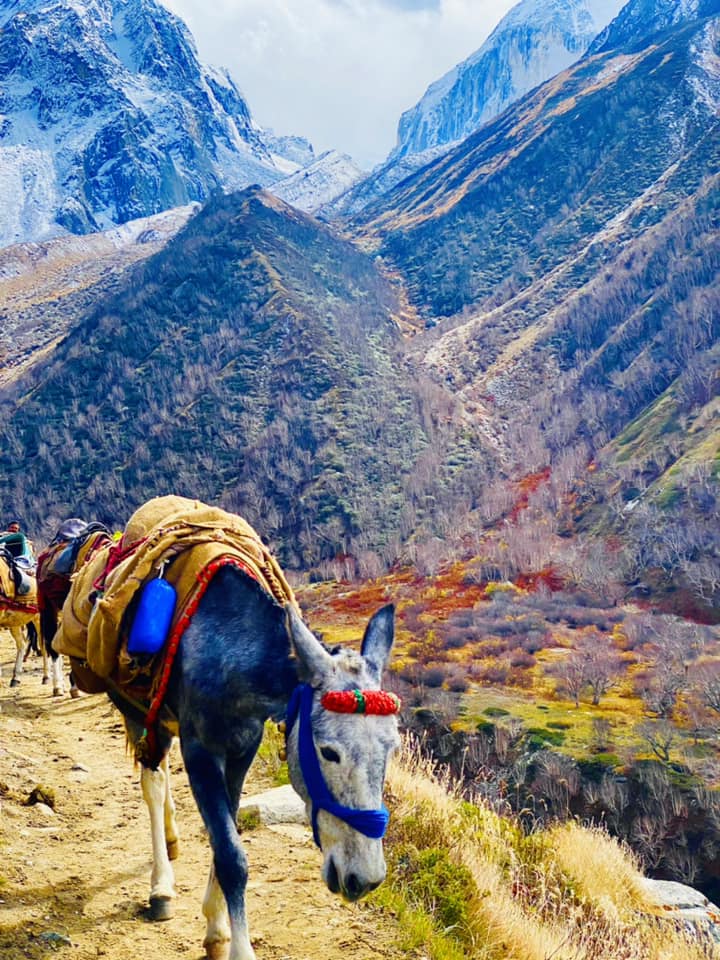
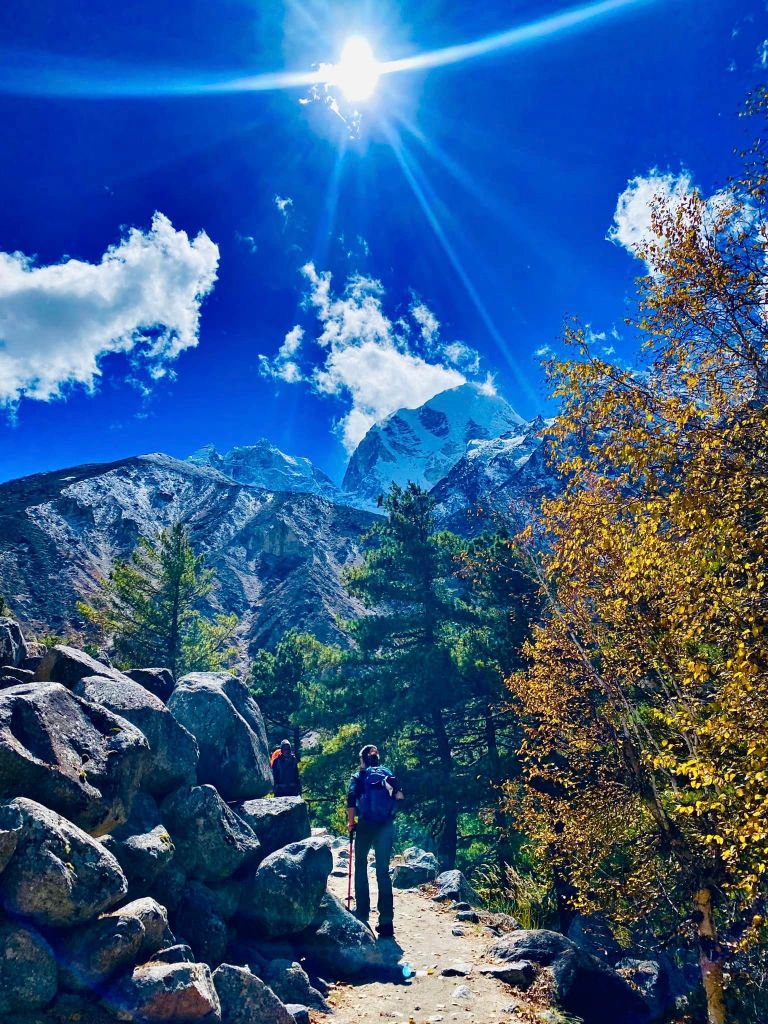
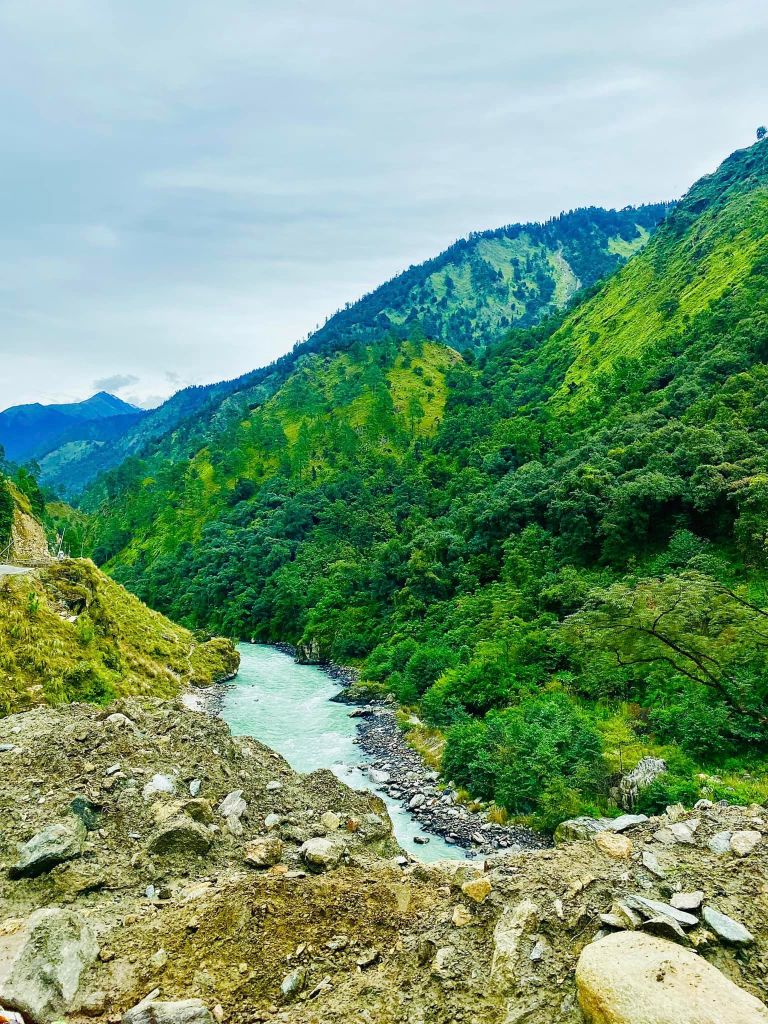
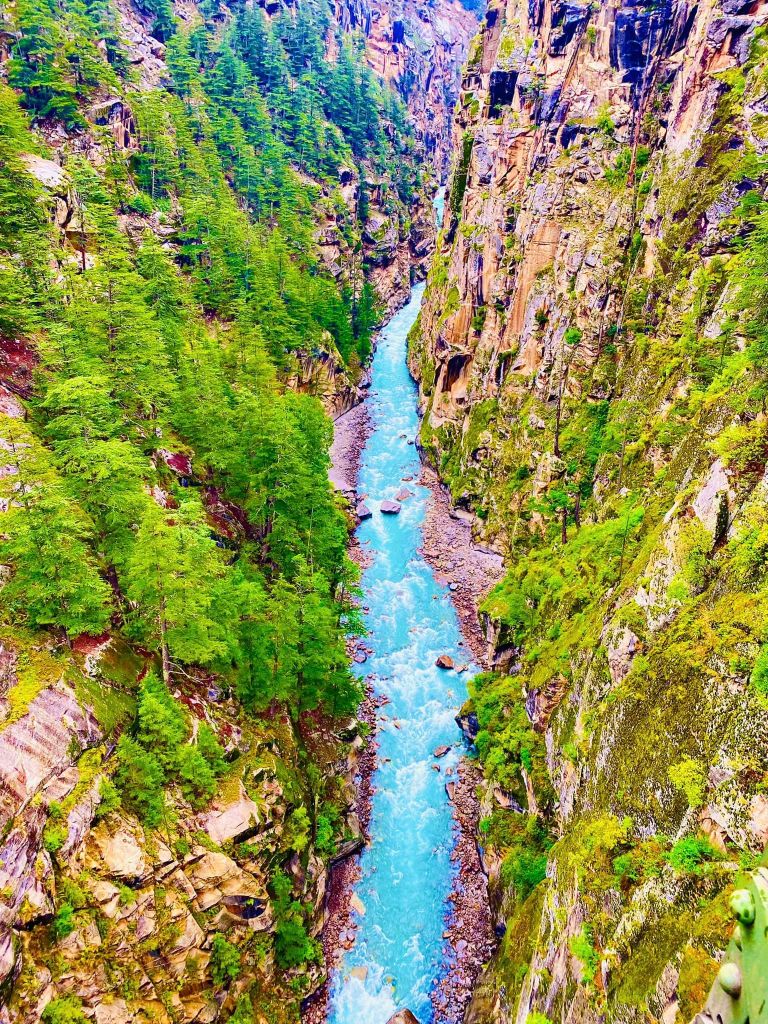
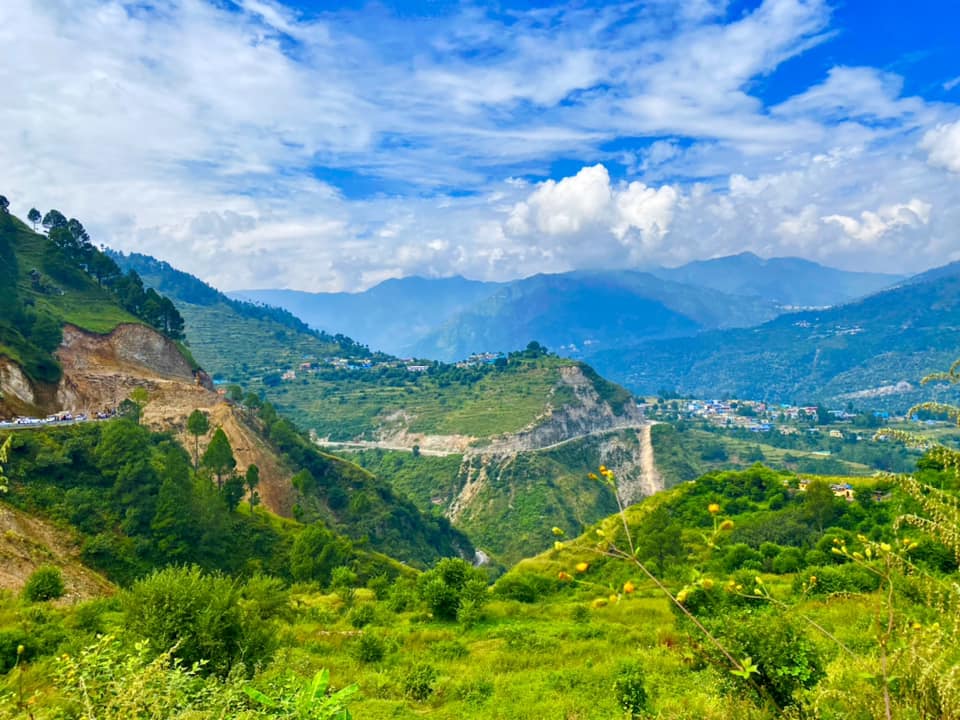
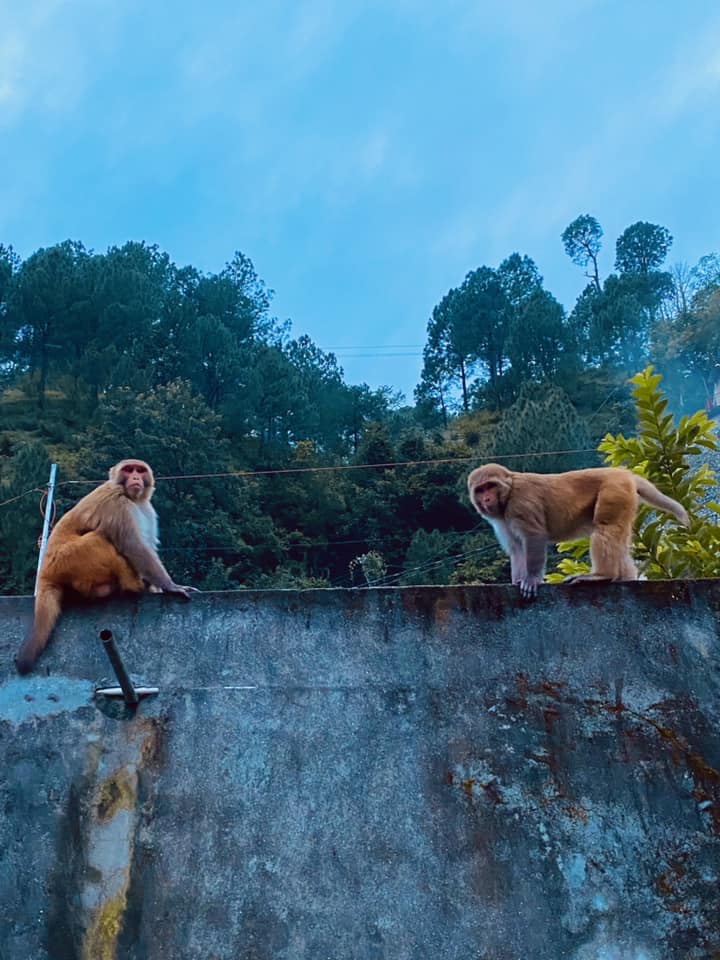
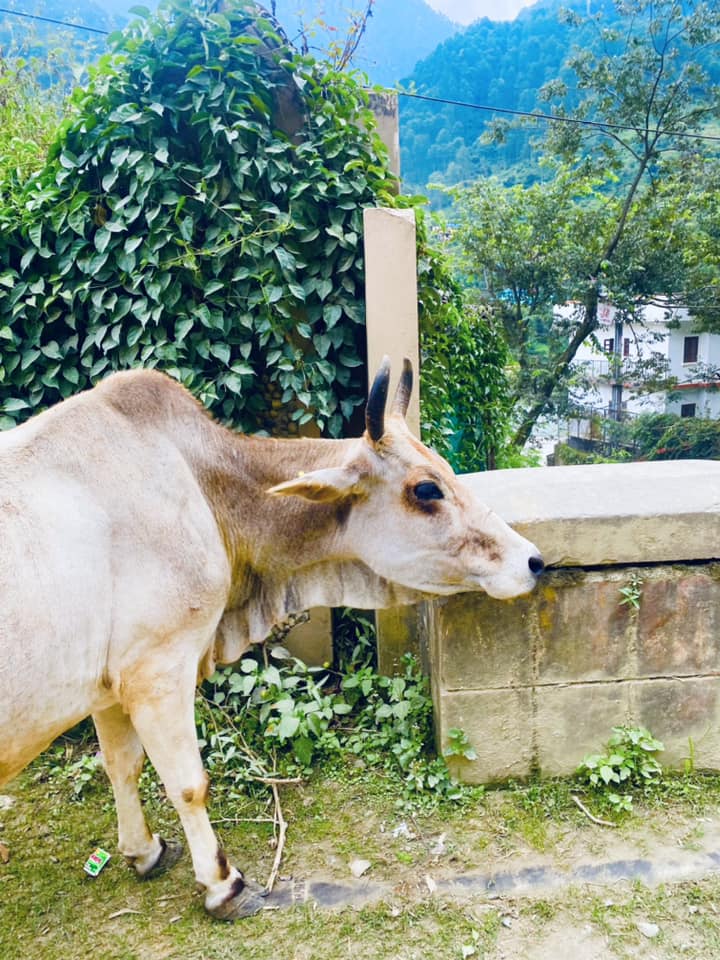
by Mahārājñī’s grace, my dream of India came true! 🥲 for five years, it has been an ardent wish of mine to see these lands. the answer to the call of the Himalayas came as a magnificent and expansive yātra which began in Rishikesh and traversed Uttarkashi, Gangotri, Bhojbasa, Gomukh, Barkot, Yamunotri. we trailed and trekked the mountains in worship of Devī in her forms as Śrī Gaṅgā & Śrī Yamunā. it was a journey of cellular transformation: explosive insights, breath-taking beauty, moving softness, immersion in the love and flow of Gaṅgā Devī.

most miraculously, we completed the arduous and most fulfilling trek of 36 km from Gangotri to Gomukh, the source of the Holy Gaṅgā, in two intense & magical days! 💙 i have never felt more alive than on this trail, immersed in the hum of Devī Gaṅgā and held in the lap of the mountains. every step taken was a challenge to my self-imposed limitations and ideas of myself – of who i am, of what i can do and achieve. every step taken taught me resilience and determination, as well as showed me that my strength springs from my longing. it has been most sacred to complete this trail and to come to be at the Source with my saṅgha. imbibing in Her exquisite vibrations, we worshipped Her through pūjā. we breathed, we smiled, we cried. i will remember this experience for the rest of my life with all the gratitude & awe my being can muster.

Śrī Mātre Namaḥ! Har Har Mahādeva! Hare Hare Gaṅge!!!

what is more, in Gangotri, we hiked to a cave where it is said that Draupadī and the Pāṇḍavas spent time while on exile, and had the fortune to meet the sādhu who has been living there, entrenched in tapasya. ♥️ i have felt the Mahābhārata vibrantly coming alive for me on our yātra; from being at Gaṅgā Devī’s feet, arguably the precursor of the Mbh’s unfolding, to reaching Yamunā Devī, whose shores welcomed Ambā, who burned herself on a pyre at Yamunā’s banks to gain Lord Śiva’s boon… these mystical lands are unparalleled in beauty, significance, power and history.

you elude me: bhakti poem by Téa Nicolae

you elude me,

my Beloved.
your nectarous call
trickles in my ears
and i run to you,
maddened.

i run to you,
enamoured,
clothed by longing
and with tears as jewels.

i run to you,
bare,
silk dress in shreds,
ripped slippers.

i’ve been running to you
since before i was born.
i am tired, Hari.
my dignity and pride
are long forgotten.
my toenails are cracked,
the skin peels off my feet.
my hair is rumpled,
my breasts are bruised;
your wayward bride.

whenever i get close
to throwing myself at your feet
my mind entangles me.
my wrongs push against my bones
and i fall on my face.
my blood smears the ground
and i grovel. i cry. i howl.

when your nectarous call
trickles in my ears,
i jolt forwards.
and i run to you,
maddened.

~ poem to Madhav, published in Śabda Magazine, volume II. my offering of longing as we approach the auspicious day of Vijayadaśamī! may we be victorious in our quest to merge with the Divine Beloved. 🙏

aegina, greece, 2018.

Hymn to the Empress of Kings by Téa Nicolae

Praise be to The Empress of Kings
seated on the throne of five corpses in the palace of ruby.


Her blinking eyes birth and collapse the cosmos,
and her crown is the lunar half-moon.


She whose reddened eyes roll ecstatically,
She is Mahātripurasundarī,
The Great Beauty of the Triads.


Praise be to Parā Aṃbikā,
of allure so exquisite that, enchanted,
Śiva grew his third eye just to worship her beauty.


Her body is anointed with sandalwood,
and her fragrance bathes and deludes the three worlds.


She is Śrīmātā,
The Auspicious Mother.


Praise be to Lalitā Aṃbikā,
The One Who Plays,
whose girdle of tinkling bells stirs creation into being.


She who gifts the sun his effulgence,
Her toenail holds the universes,
and Her auspicious thighs are known only by the fortunate Kāmeśvara.


She is Kāmākṣī,
She whose eyes are desire.


Bhavānī,
you are the nectar of the ocean of compassion:
grace this songstress to only sing of your praises.


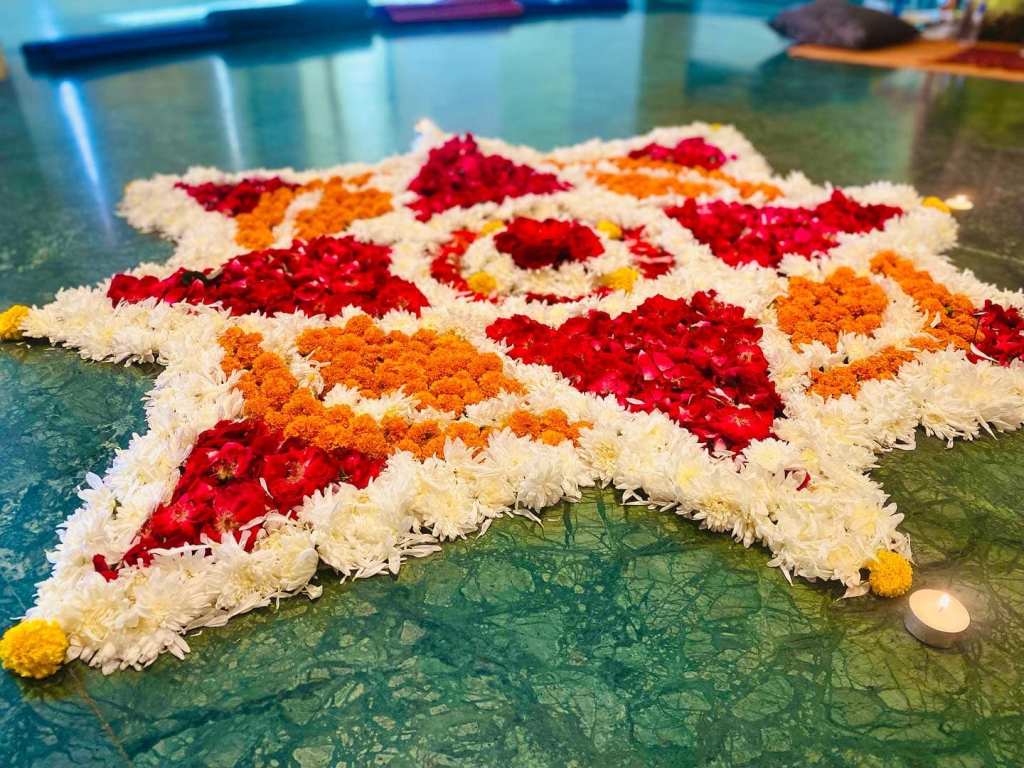
🌺 “Hymn to the Empress of Kings”, one of my poems offered to Devī at the magnificent Siri Jyoti Pūjā in Seattle. inspired by the verses of the Lalitāsahasranāma which extoll Lalitā’s rapturous beauty. Śrī Mātre Namaḥ. Happy Navarātra!

Draupadī’s Speech, Vastrāharaṇa: A Collaborative and Experimental Audio-translation

Fragment of a collaborative and experimental audio-translation of Draupadī’s speech following Vastrāharaṇa (The Attempted Disrobing of the Empress) in modern retellings of the epic. This excerpt follows the 2013 rendition of the Mahābhārat. It was created in the module ‘The Practice of Literary Translation’ of the Warwick Writing Programme with Sumithreyi Sivapalan. 🙂

Draupadī:

Touch me not, Queen Mother Kuntī.

I will get besmirched.

I am no longer your daughter-in-law.

I am no longer your sons’ wife.

I am no longer the bride of the Kuru dynasty.

Now I am without husband, without name, without dynasty.

I am the fire that burns in the furnace. I am purity itself,

yet I feed on what is impure.

Today, in this sabhā, I have cried the tears of the women who walked this Earth.

Queen Mother Kuntī, Great Queen Gandharī, if you wish to save yourselves, renounce this sabhā and leave. Because this palace hall will break today.

I am no longer a human being. I am death, only death. I am the death of all the vile men present in this unjust sabhā today.

My curse is that, at this very moment…

Gandharī:

No, Draupadī. Do not curse. Do not curse! Forgive them. Forgive us. I beg you, forgive us!

Draupadī:

My curse is forgiveness in itself, Great Queen. If I have to punish, let it be in this lifetime. Every moment, they will suffer the agony of hell. Their pain will know no end.

Gandharī:

No, my daughter. The woman who gives life cannot give death.

In taking one’s own life, one annihilates the body. In taking another’s life, one destroys the soul.

Destroying the soul is self-annihilation.

In your anger, do not act like these men!

Draupadī:

It is a woman’s duty to cleanse the house, and it is a woman’s duty to purify it. It is a woman’s duty, as well, to cleanse this world.

Indeed,

only a woman can purify the Earth. I curse (that)…

still and edit i created of Pooja Sharma as Draupadī. the most fantastic performance of the fireborn heroine!

Warwick Writing Programme and Mahābhāratam Diaries

i have officially completed my first year of the Warwick Writing Programme ✅! 🥰! it has been absolutely delightful. 🤍🙏 my gratitude to my professors for guiding me on working on my first collection of bhakti poetry, in researching devotional literature & in translating from sanskrit, as well as from my mother-tongue. 🤍


it was so much fun to venture into freelance writing & to work with my colleagues on different projects – a highlight of this year has been a collaborative audio-translation of my beloved Draupadī’s imposing speech from the Mahābhārata created with Sumithreyi Sivapalan! it is always a joy to work on anything Mbh-related, but it truly is an honour to collaborate with someone equally enamoured with itihāsa! 🙏


you can read a sneak peek here:
https://teanicolae.com/2022/06/18/draupadis-speech-vastraharaṇa-a-collaborative-and-experimental-audio-translation/

indeed, what i adore about academia is the opportunity to meet and connect with people with similar (or identic!) research interests! it truly is so enriching to discuss your research with someone as equally passionate about it as as you, and these discussions unmistakably propel each of you towards greater growth and understanding. in my case, it has been one of the greatest gifts to meet someone as madly infatuated with the Mahābhārata as me!

it wasn’t until meeting my colleague Sumithreyi that i realised how much i had longed to dissect the Mbh with a fellow lover of this magnificent epic, and I can wholeheartedly say that the insights we shared together refined my understanding of the intricacies of its narrative – a narrative so grand that it undoubtedly humbles anyone who dares to venture in it. thank you, dear sakhī! here’s to continuously learning and to emptying our cup of the arrogance of knowing.

pics: all smiles after 7 hours of editing work for the Warwick Anthology 2022!

Warwick Anthology and Re-introduction

#Repost @thewarwickanthology with @make_repost
・・・
Introducing the Team of Warwick Anthology 2022: Florilegium! 

Meet Téa Nicolae! Téa is a marketing co-head and an editor of this year’s anthology. She joined the Warwick Writing Programme to delve deeper into poetry and literary translation.

Téa is a poetess and a scholar-practitioner. She writes devotional (bhakti) poetry and her research interests are Śāktism, Mahābhārata and non-dual philosophy.

Téa holds a BA in Film and Creative Writing and an MA in Philosophy and Religious Studies from Lancaster University. She is studying oral-practice traditions enrich her writings with the insights, delight and fervour unearthed only through practice.

Yajñasenī by Téa Nicolae

she who was born of fire

she whose beauty enticed even the sun

i garland thee

she whose blood spilled on royal floors of marble

she whose woe scorched the Kurus

i weep with thee

she who was touched yet remained stainless

she whose dishevelled hair holds the griefs of woman

i pray with thee

Draupadī,

she who cried the tears of the women who walked this earth

i am thee.

*poem published in Śabda Magazine, vol. II.

collage i made of pooja sharma as the beloved empress. her performance is etched to my heart!

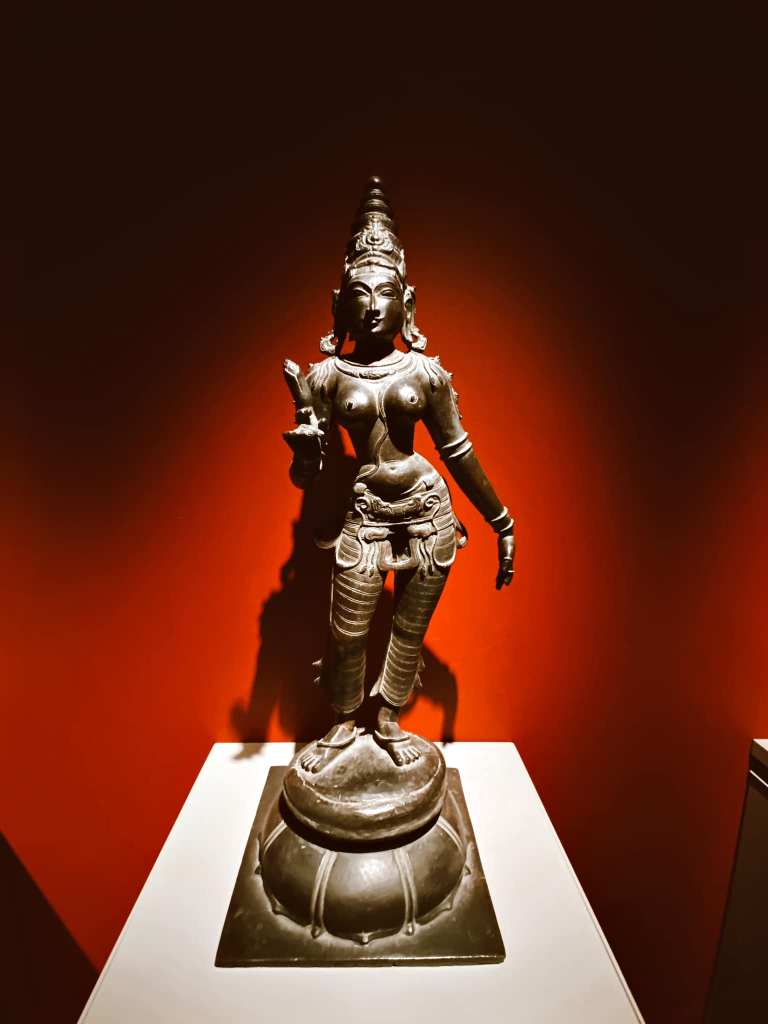
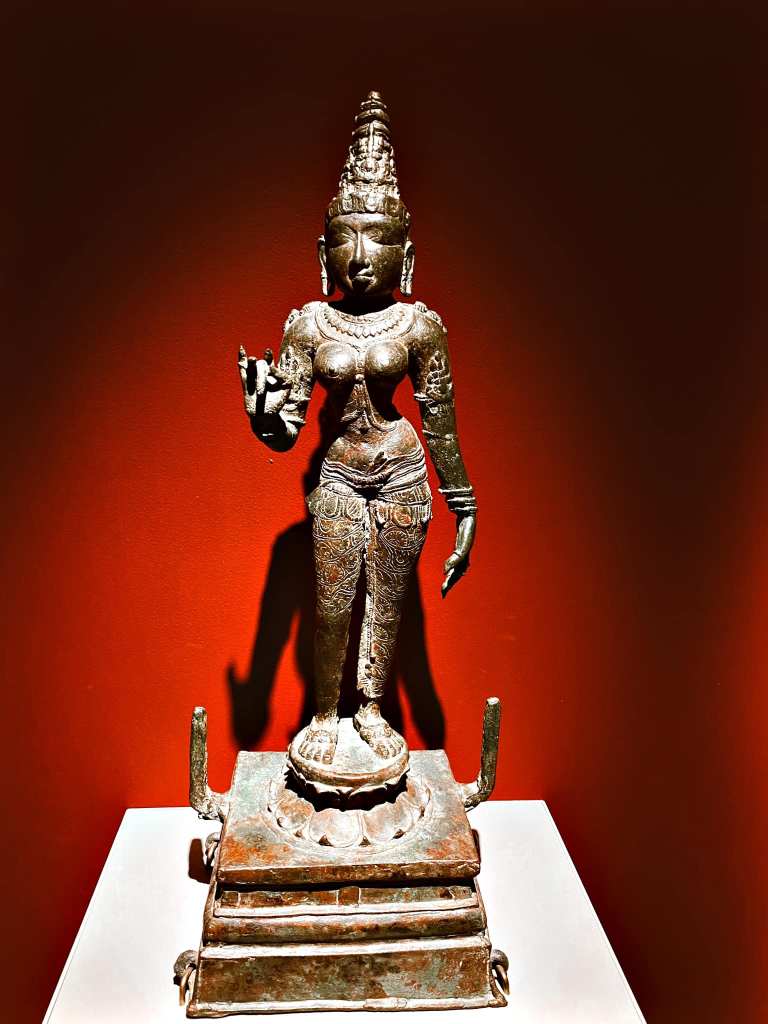
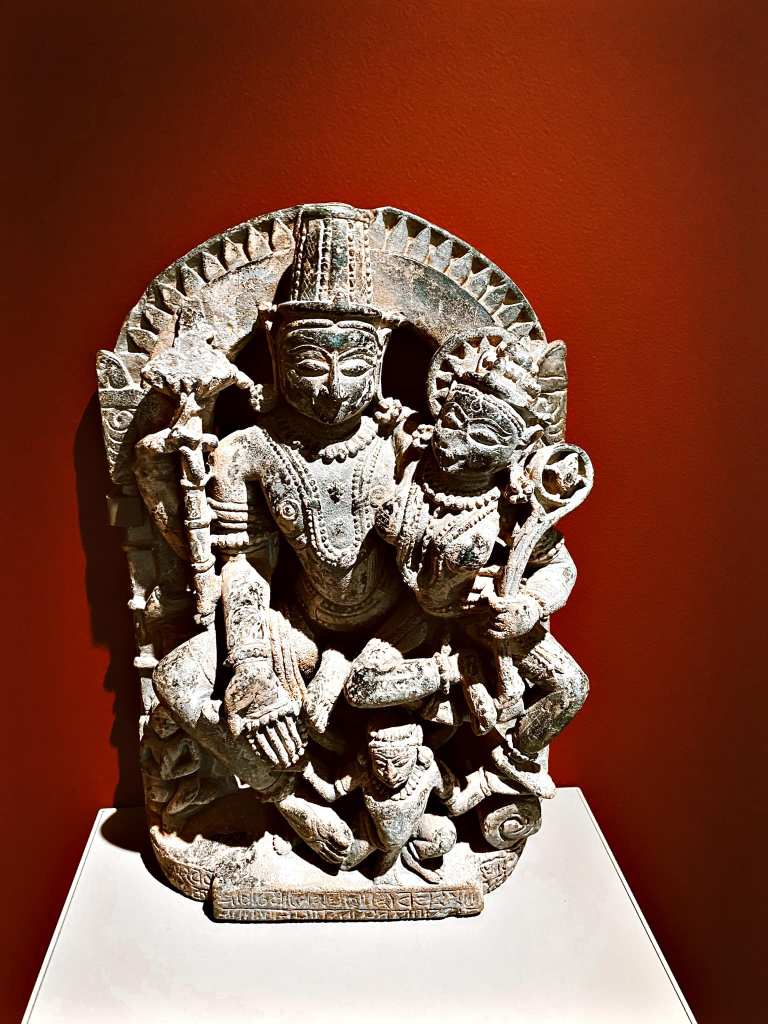
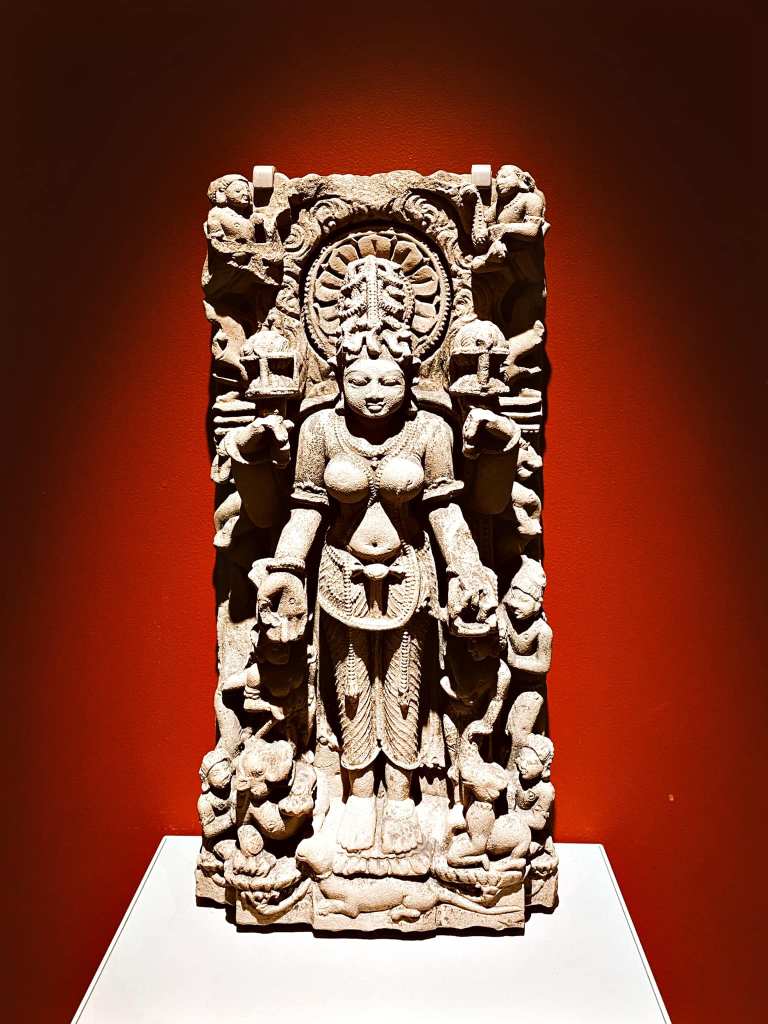
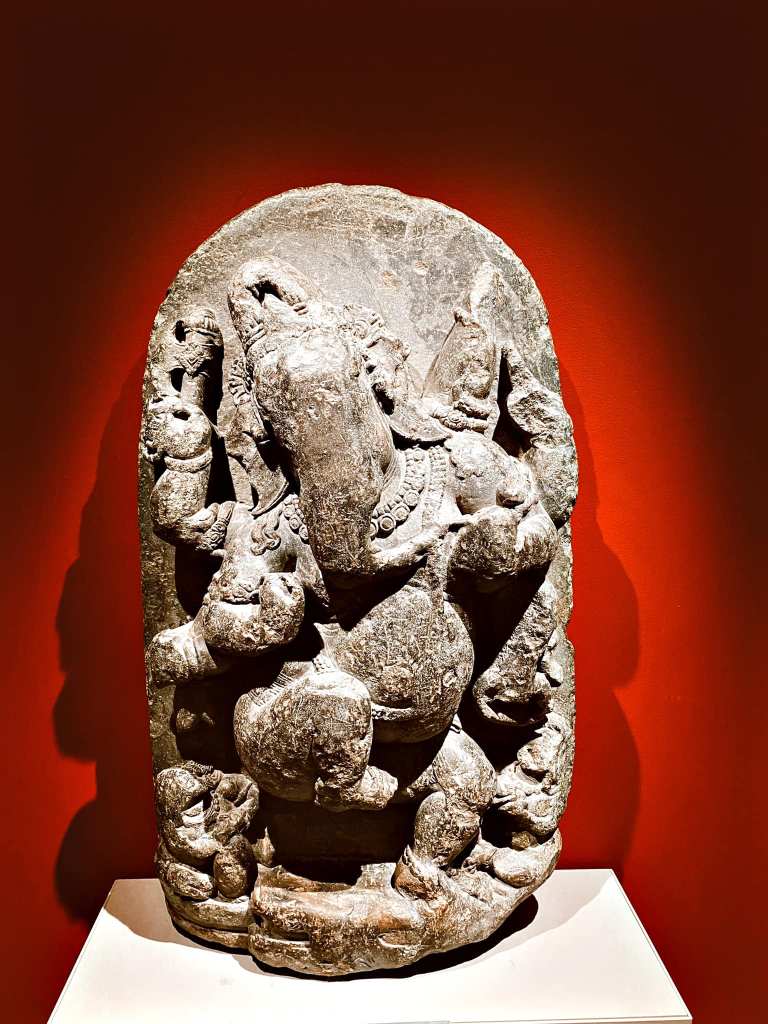
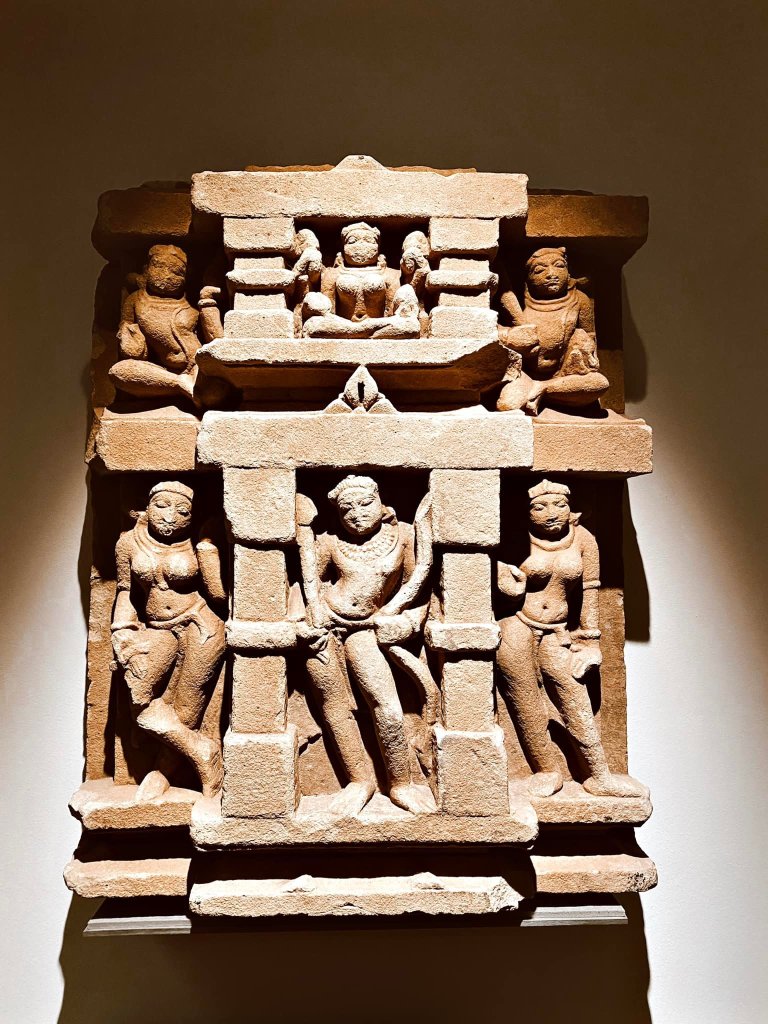
ecstatic sculptures of the Devīs & the Devas at the Ashmolean Museum, Oxford

ecstatic sculptures of the Devīs & the Devas at the Ashmolean Museum, Oxford, one of the oldest museums in the world! 🤍 awe!

pictured:

• Śiva & Pārvatī tenderly embracing each other (alternatively titled ‘Umā-Maheśvara).

• Pārvatī as the enthralling Gaurī. Mahārājñī!

• the beautiful Pārvatī making the kaṭakahasta gesture

• Viṣṇu ruling with his śakti, Lakṣmī, seated on his lap as her throne (alternatively titled Lakṣmī-Nārāyaṇa)

• the radiant Goddess Siddhā holding lotuses

• victorious Durgā slaying Mahiṣāsura

• dancing Ganeśa

• yet another depiction of Durgā slaying Mahiṣāsura

• two sculptures of the enrapturing Viṣṇu

• Viṣṇu birthed as Rāma